Pre-Production Approval Checklist for Apparel Manufacturing
Pre-production approval is the point where a clothing brand turns development work into manufacturing instructions. Before bulk cutting begins, the buyer and manufacturer should confirm the garment sample, measurements, materials, trims, labeling, packaging, and quality expectations in one clear approval package.
For startup brands and growing private-label teams, this step is especially important because small misunderstandings can become expensive once fabric is purchased and production is scheduled.
This guide explains what apparel brands should review before approving production, how to organize comments, and which details should be confirmed in writing with a custom clothing manufacturer.
What Pre-Production Approval Means
Pre-production approval is the final buyer review before a manufacturer starts bulk production. It usually happens after the sample has been developed, fitted, corrected, and accepted for production. The goal is to confirm that the factory has the correct product information and that both sides understand what “approved” means.
This is different from early sample feedback. During sample development, the brand may still be testing fit, fabric hand feel, construction, color direction, or branding details. By the pre-production stage, the product should be much more stable. Any remaining notes should be specific, measurable, and practical for production.
If your team is still building the product file, start with a complete apparel tech pack for custom clothing production. The tech pack gives the manufacturer the base specification, while the pre-production checklist confirms that the final approved sample and production documents match.
Why This Step Matters for B2B Apparel Buyers
In custom apparel production, many decisions are connected. A fabric change may affect shrinkage, fit, sewing tension, print results, and care labeling. A trim substitution may change the garment appearance or packing method.
Pre-production approval gives the brand a structured way to review the full product before the manufacturer commits production resources. It also gives the manufacturer a clearer reference when coordinating purchasing, cutting, sewing, finishing, inspection, and packing.
For low-MOQ programs, this discipline is still useful. Smaller quantities do not remove the need for accurate specifications. If your collection is still being planned, see this guide on building a low-MOQ apparel production plan.
1. Confirm the Approved Sample
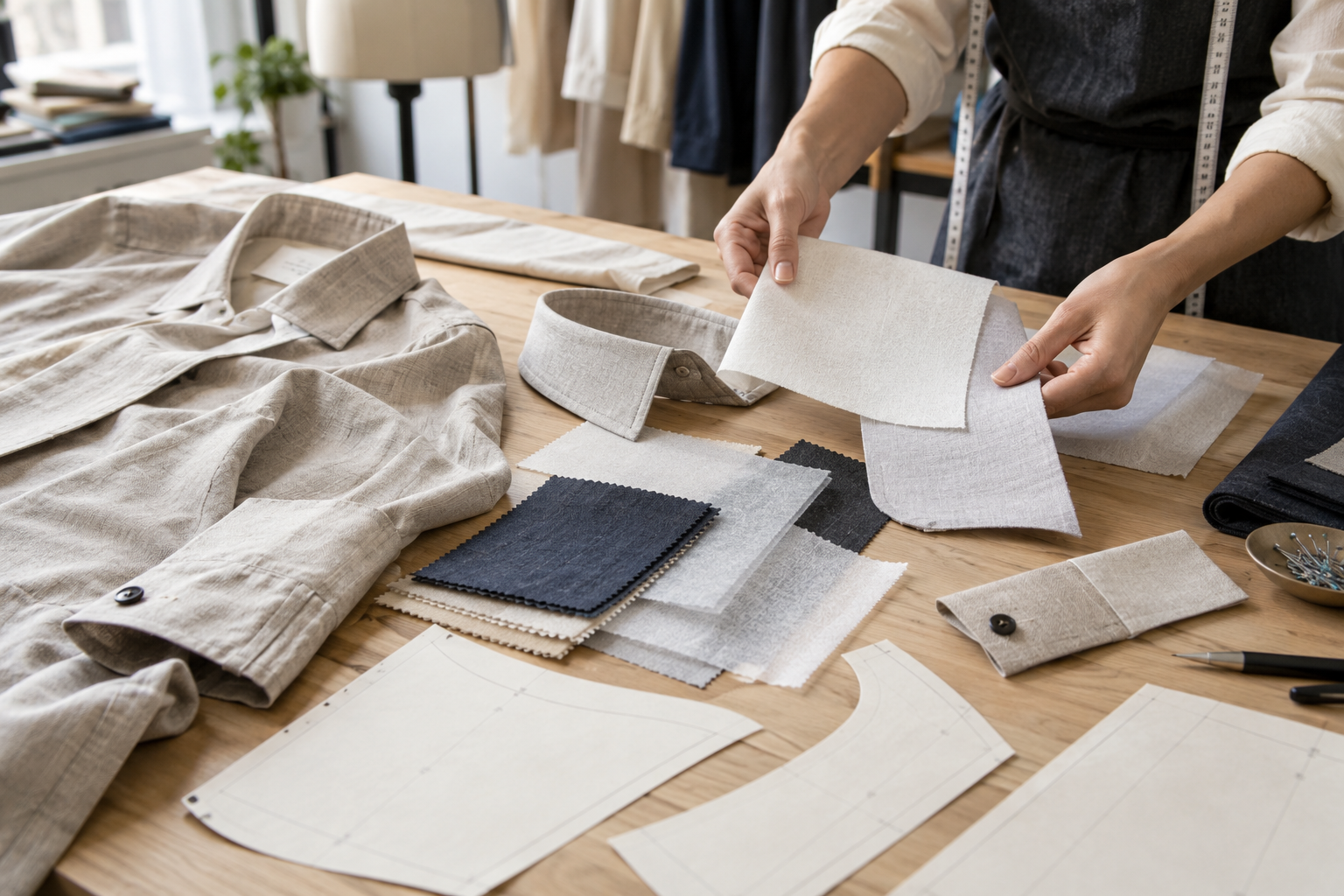
The approved sample should be the main physical reference for bulk production. Before giving approval, check that the sample represents the garment you actually want to produce. Do not rely only on photos or scattered email comments if the product has gone through multiple sample rounds.
Review the sample against the final comments
Compare the latest sample with the most recent written comments. Confirm that previous corrections were completed and that no new issues appeared during revision. Check the silhouette, proportion, stitching, seams, openings, closures, pocket placement, label position, and overall finishing.
Keep the approval sample controlled
Once a sample is approved, mark it clearly as the approved production reference. The buyer and manufacturer should both know which sample version is final. If the brand requests another change after approval, that change should be documented as a revision rather than handled casually.
2. Lock Measurements and Fit Notes
Measurements are one of the most important parts of pre-production approval. A garment can look correct in photos but still have problems in length, width, balance, or stretch recovery. Before approving production, review the size specification and the approved sample measurements together.
Confirm the sample size, size range, points of measure, tolerance, and grading rules. If the product uses stretch fabric, identify whether measurements are taken relaxed, extended, or after wash. For fitted garments, activewear, denim, and tailored styles, measurement clarity is especially important.
Do not write vague notes such as “make it a little bigger” at the approval stage. Use measurable instructions, such as increasing chest width, adjusting sleeve length, lowering the front neck drop, or revising inseam length.
3. Verify Fabric, Color, and Shrinkage Expectations
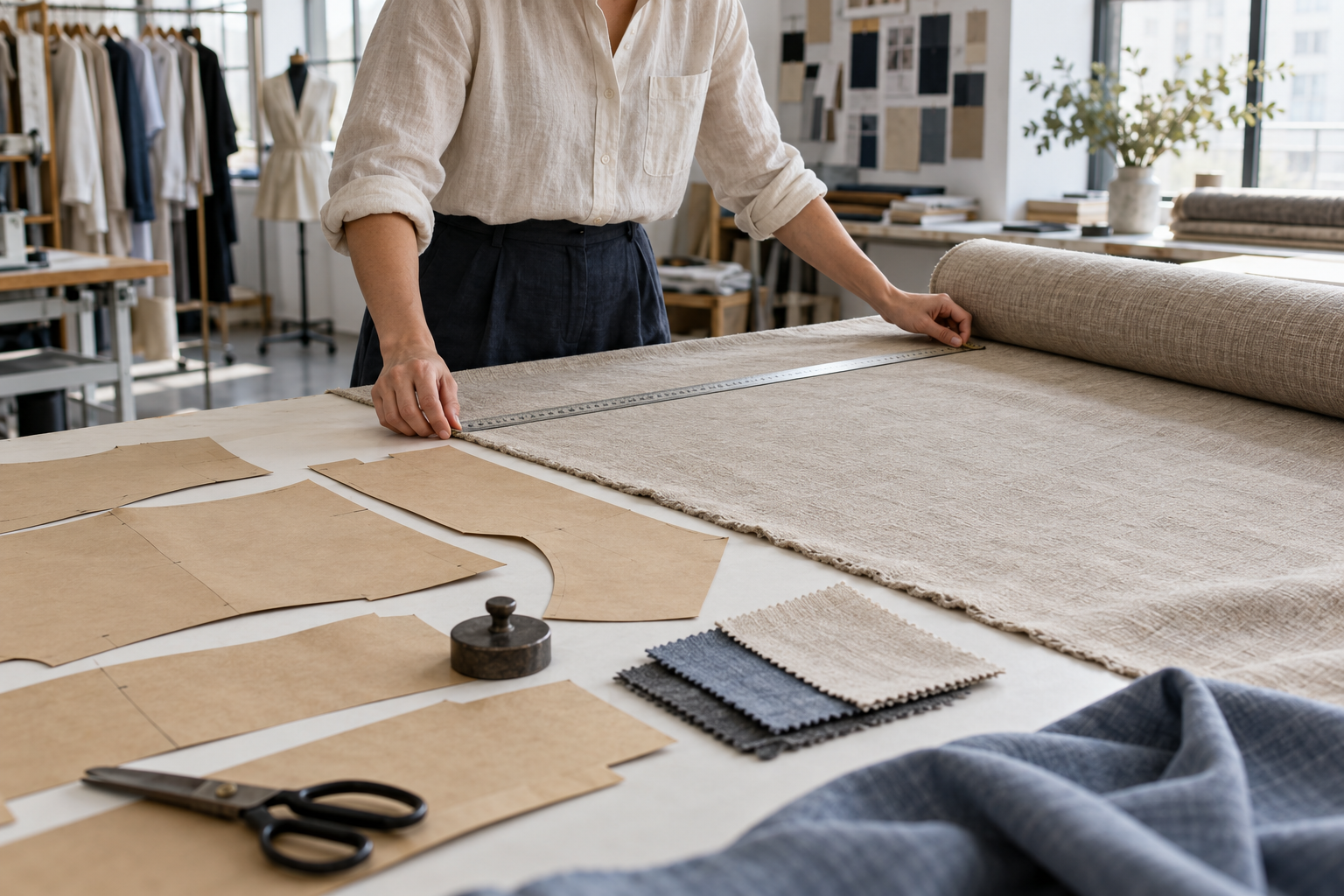
Fabric approval should cover more than color. Before production, confirm fiber content, fabric weight, hand feel, stretch, opacity, surface texture, finishing, and any washing or garment-dyeing requirements. The production fabric should match the approved quality as closely as possible.
If the brand approved a lab dip, strike-off, print panel, or fabric swatch, make sure the manufacturer has the final approved version. Keep approval comments direct: approved, rejected, or approved with a specific correction.
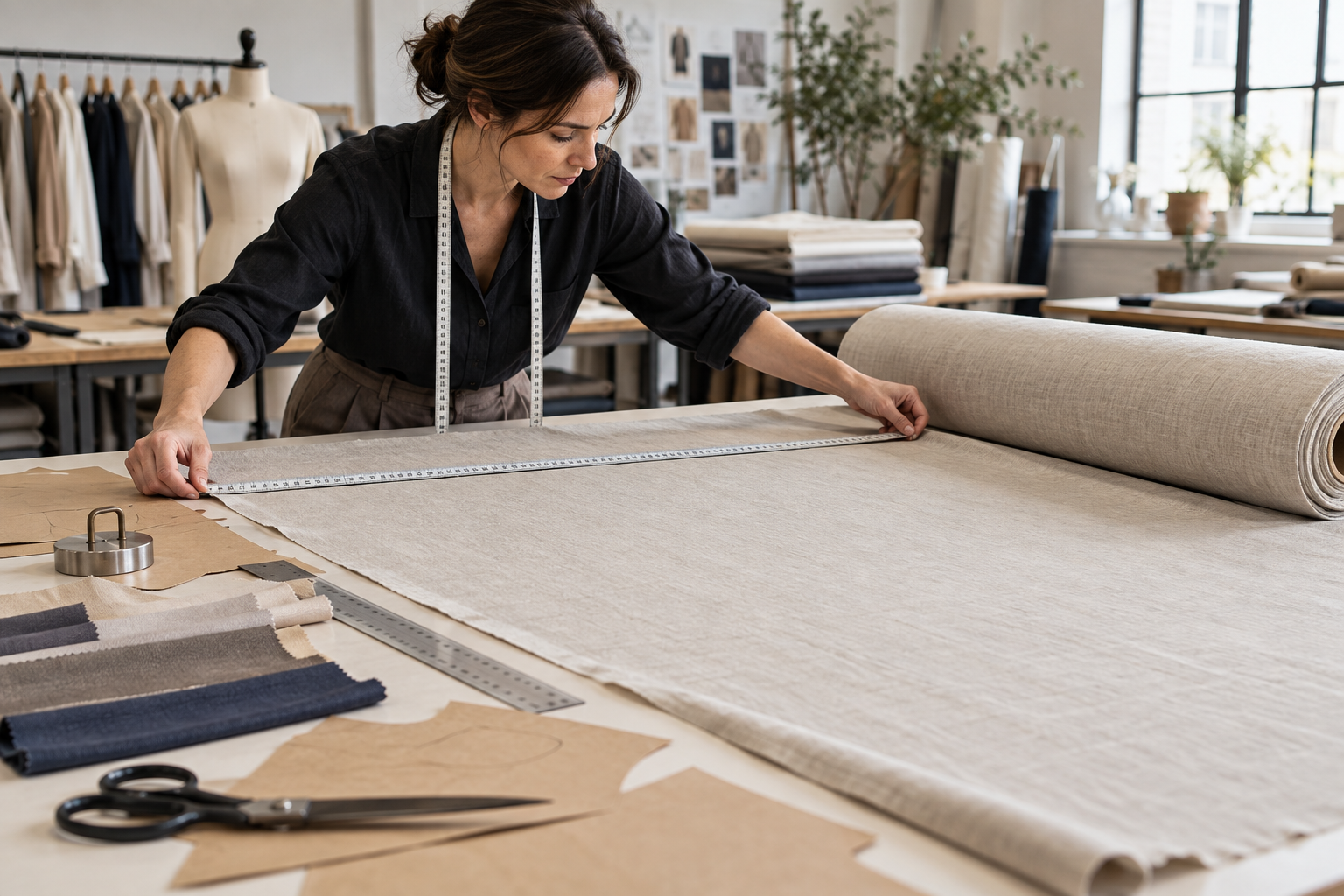
Fabric behavior can influence garment measurements after cutting, sewing, washing, pressing, and packing. If shrinkage or twisting is a concern, discuss how it will be managed before production begins. For a deeper buyer-side review, read this guide to fabric selection for private label clothing.
4. Confirm Trims, Branding, and Packaging
Trims and branding details are often small, but they carry a large part of the final customer experience. Before production, confirm buttons, zippers, drawcords, elastic, snaps, eyelets, lace, patches, main labels, care labels, size labels, hangtags, stickers, poly bags, cartons, and any other packaging components.
For each item, the approval should identify material, color, size, placement, artwork, and quantity per garment. If artwork is involved, provide production-ready files and confirm that the manufacturer is using the latest version. Do not assume that a file sent during early development is still the final file.
Packaging should also be practical for the sales channel. E-commerce, wholesale, boutique retail, and fulfillment-center requirements may need different folding, barcode, carton, or label instructions.
5. Review Construction and Workmanship Standards
Construction details should be clear enough for the production team to repeat the approved garment. Confirm seam types, stitch type, stitch density, thread color, reinforcement points, edge finishing, pressing, topstitch width, bartack placement, lining method, and any special workmanship notes.
If there is a specific quality expectation, write it into the approval package. For example, instead of saying “good sewing,” define the visible standard: clean seam alignment, no open seams, balanced topstitching, no loose threads, no oil marks, and no obvious puckering. For inspection planning, this garment quality control checklist can help buyers organize what to look for.
6. Approve Print, Embroidery, and Placement Details
If the garment includes print, embroidery, heat transfer, wash effects, appliques, or other decoration, approve the technique and placement before bulk production. Decoration errors are often difficult to correct after production because they may affect finished panels or completed garments.
Review artwork scale, color, position, orientation, edge quality, hand feel, backing, and durability expectations. If decoration is placed before sewing, confirm whether the placement is measured from panel edges, seams, center front, or another reference point.
7. Set Bulk Production Inspection Criteria
Pre-production approval should also define how the finished order will be checked. The buyer and manufacturer should agree on the main inspection points before production starts, not after the goods are packed.
Key inspection areas may include fabric defects, color consistency, measurement tolerance, sewing quality, trims, decoration, labeling, packaging, carton marks, and overall presentation. If the buyer requires third-party inspection, inline inspection, or a final random inspection, that expectation should be discussed early.
The goal is not to create unnecessary paperwork. The goal is to make the quality standard visible to everyone involved.
8. Organize Approval Comments Clearly
Good approval communication is specific, dated, and easy to trace. Use one approval document or email thread that summarizes the final decision. Separate approved items from pending items, and avoid sending conflicting comments across several channels.
For each style, include the style name or number, sample version, approval date, final measurement sheet, material approvals, trim approvals, artwork approvals, packaging instructions, and open points.
When a change is requested after approval, treat it as a formal revision. Confirm whether the change affects cost, timing, fabric usage, pattern, sample approval, labels, packaging, or inspection criteria. Late changes are sometimes necessary, but they should not be invisible.
A Practical Pre-Production Approval Checklist
Before approving bulk apparel manufacturing, review the following items:
- Final approved sample is clearly identified.
- All sample comments have been resolved or documented.
- Size chart, tolerances, and grading are final.
- Production fabric quality and color are approved.
- Print, embroidery, wash, or decoration details are approved.
- Buttons, zippers, labels, hangtags, and trims are confirmed.
- Packaging, folding, barcode, and carton requirements are clear.
- Construction details match the approved sample and tech pack.
- Quality control and inspection criteria are agreed in advance.
- All final files are current and shared in one organized approval package.
Common Approval Mistakes to Avoid
One common mistake is approving production while important details are still undecided. If fabric color, label artwork, or measurements are still open, the order is not fully ready. Another mistake is approving a sample verbally without recording final comments in writing.
Finally, do not assume that the manufacturer can infer your brand standard from general comments. Clear references, approved samples, and measurable instructions help the factory produce closer to expectation.
FAQ
When should a brand approve pre-production?
A brand should approve pre-production only after the sample, measurements, materials, trims, artwork, labels, packaging, and quality expectations are clear enough for bulk manufacturing. If key details are still changing, the product is not ready for final approval.
Is a pre-production sample always required?
Many custom apparel orders benefit from a final pre-production sample, especially when the style is new, the fabric is custom, or the construction is detailed. The exact process depends on the product, order structure, and agreement between the buyer and manufacturer.
What is the difference between a fit sample and a pre-production sample?
A fit sample is mainly used to evaluate shape, measurements, and comfort. A pre-production sample should represent the final garment more completely, including approved fabric, construction, trims, branding, and finishing details where applicable.
Can a brand make changes after pre-production approval?
Changes may be possible, but they should be treated as formal revisions. The buyer and manufacturer should confirm whether the change affects pattern, materials, timing, cost, labels, packaging, or quality control before proceeding.
Final Thoughts
A pre-production approval checklist helps clothing brands move into bulk manufacturing with fewer open questions. It connects the approved sample, tech pack, material approvals, trims, packaging, and quality standards into one practical decision point.
If your brand is preparing a custom apparel order, organize the approval package before production starts. Huilin Fashion works with apparel buyers on product development and custom clothing production, and you can use the checklist above to prepare clearer files, comments, and expectations for your next manufacturing discussion.