Fabric Selection for Private Label Clothing: A Practical Guide for Brands
Fabric selection is one of the most important decisions in private label clothing production. A design can look strong on a mood board, but the finished garment will only work if the fabric supports the intended fit, comfort, durability, care method, and price position. For startup and growing brands, choosing fabric well also helps reduce avoidable sampling revisions and production confusion.
This guide explains how to evaluate fabric for private label apparel manufacturing before you approve a sample or place a bulk order. It is written for brands that want practical decision points, not vague fabric terminology.
Why Fabric Choice Shapes the Whole Garment
Fabric affects almost every part of a garment: silhouette, drape, opacity, stretch, shrinkage, color depth, printing results, seam behavior, and customer experience after washing. If the fabric is too light, a T-shirt may feel transparent or lose shape. If it is too rigid, a jacket may not move comfortably. If stretch and recovery are not considered, leggings, rib tops, or fitted dresses can bag out after wear.
Fabric also changes how a garment is made. A slippery woven fabric needs different handling from a stable cotton jersey. Heavy fleece may require different needle choices, seam finishes, and pressing methods than a lightweight performance knit. Because of this, fabric selection should happen together with product development, not after the design has already been finalized.
Start With the Product Use Case
Before asking a manufacturer to source fabric, define how the garment will be worn and what customers will expect from it. A fabric that works for a relaxed streetwear hoodie may not be suitable for uniforms, activewear, childrenswear, or a structured blazer.
Ask these questions at the start:
- Is the garment casual, performance-focused, workwear, formal, or promotional?
- Should it feel soft, crisp, smooth, warm, breathable, structured, or fluid?
- Does the design need stretch, compression, shape retention, or easy movement?
- Will customers wash it frequently or expect low-maintenance care?
- Does the fabric need to support printing, embroidery, washing, or special finishing?
Clear answers help your supplier narrow options quickly. If you are still building your first range, this step also supports a more realistic low-MOQ apparel production plan, because fewer fabric directions can make a small collection easier to develop and control.
Understand the Main Fabric Properties
Fiber Content
Fiber content describes what the fabric is made from, such as cotton, polyester, nylon, rayon, viscose, linen, wool, spandex, or blended yarns. Each fiber has tradeoffs. Cotton is familiar and breathable but may wrinkle or shrink depending on construction and finishing. Polyester can support durability and color retention but may feel less natural unless blended or finished well. Spandex adds stretch but needs careful testing for recovery and long-term performance.
Do not choose fiber content based only on trend language. Connect it to the product’s real use: comfort, wash care, print method, hand feel, durability, and target customer expectations.
Fabric Weight
Fabric weight is often described in grams per square meter, commonly written as GSM. Weight affects warmth, drape, opacity, structure, and cost. A lightweight jersey may be suitable for summer tops but too sheer for premium basics. A heavy fleece may feel substantial but could be too warm, bulky, or expensive for the intended product.
When comparing weights, review actual swatches instead of relying only on numbers. Two fabrics with similar weight can behave differently because of yarn, knit or weave structure, finishing, and stretch.
Stretch and Recovery
Stretch shows how much the fabric can extend. Recovery shows whether it returns to shape after stretching. Both matter for fitted garments, ribbed styles, activewear, waistbands, cuffs, and comfort-focused basics. A fabric may stretch enough during fitting but still perform poorly if it does not recover after wear or washing.
Brands should clarify whether stretch is needed in one direction or two directions, and whether the stretch comes from fabric construction, spandex, or both.
Drape, Hand Feel, and Structure
Drape is how fabric hangs on the body. Hand feel is how it feels when touched. Structure is how much shape it holds. These qualities are difficult to evaluate from a specification sheet alone, so physical swatches and sample garments are essential.
A fabric with beautiful drape may not hold a sharp pocket shape. A crisp woven may look clean in product photos but feel restrictive if the pattern requires movement. Review these properties together with the silhouette, not separately.
Match Fabric to Garment Category
T-Shirts and Everyday Knits
For T-shirts, tanks, and casual knit tops, focus on softness, opacity, shrinkage, neckline recovery, print compatibility, and color consistency. Jersey, rib, interlock, and pique can all be suitable depending on the design. If your range includes graphic tees, confirm whether the fabric surface works with the intended print method.
Hoodies, Sweatshirts, and Fleece
For hoodies and sweatshirts, evaluate fleece weight, face yarn quality, inside brushing, pilling risk, shrinkage, rib quality, and color matching between body fabric and trims. A fabric that looks premium on day one should also maintain shape around cuffs, hem, pocket openings, and hood seams.
Pants, Dresses, and Woven Styles
Woven garments often require more attention to drape, stability, seam slippage, wrinkle behavior, and opacity. Pants need fabric that supports movement and seat stress. Dresses may need lining, careful opacity checks, or a fabric with enough fluidity for the silhouette. Structured shirts and jackets need fabric that can hold shape without feeling stiff.
Build a Clear Fabric Brief for Your Manufacturer
A fabric brief helps your manufacturing partner understand what to source and what to avoid. It does not need to be overly complex, but it should be specific enough to guide decisions.
Include the following details when possible:
- Garment type and intended use
- Preferred fiber content or acceptable alternatives
- Target fabric weight or reference swatch
- Stretch direction, hand feel, drape, and opacity requirements
- Color, print, embroidery, wash, or finishing needs
- Care expectations and testing requirements
- Approved reference samples or rejected examples
Reference samples are useful, but they should be used carefully. If you send an existing garment as a reference, explain what you like about it: weight, stretch, hand feel, color, drape, surface, or overall quality. Otherwise, your supplier may focus on the wrong attribute.
Use Swatches Before Approving Samples
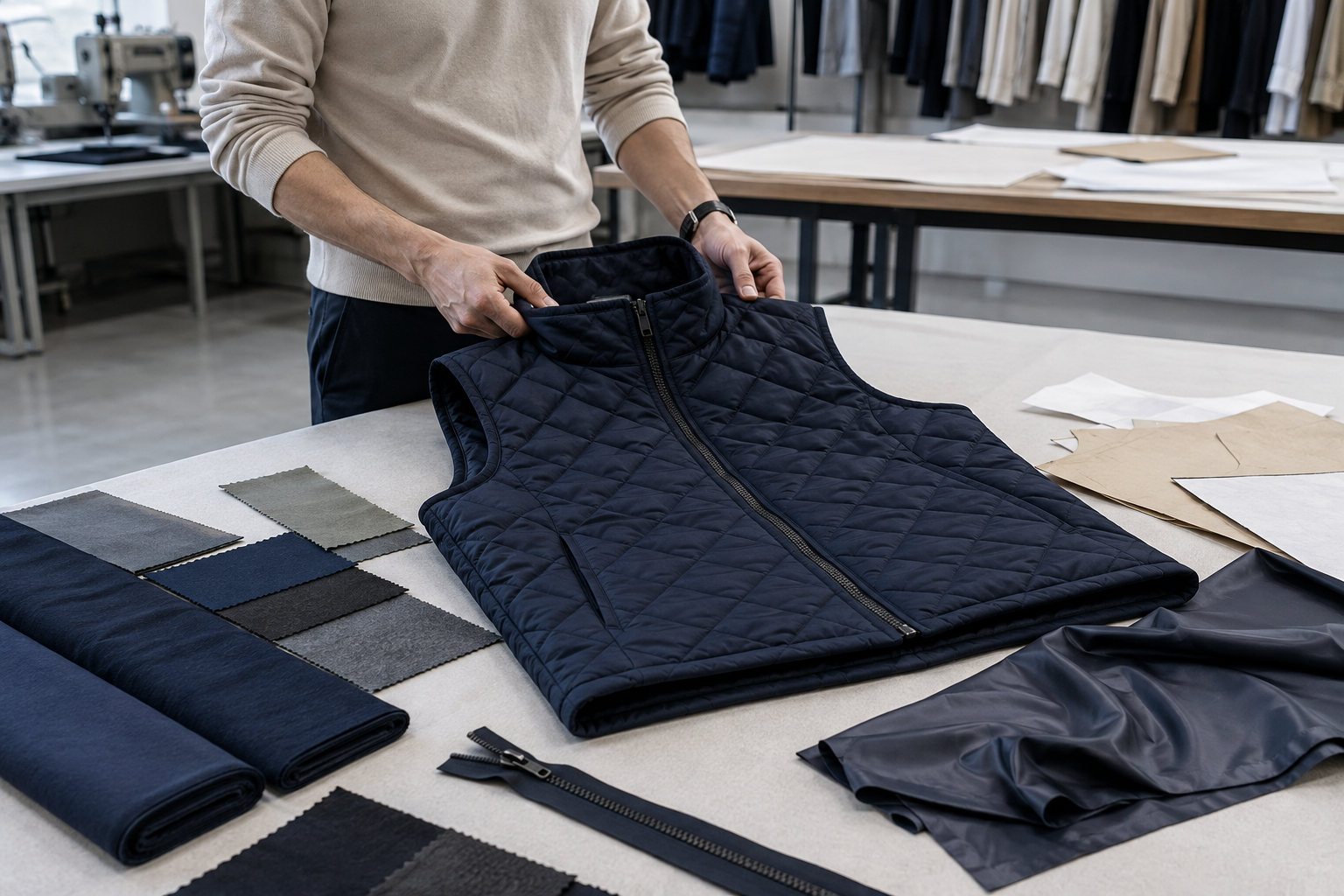
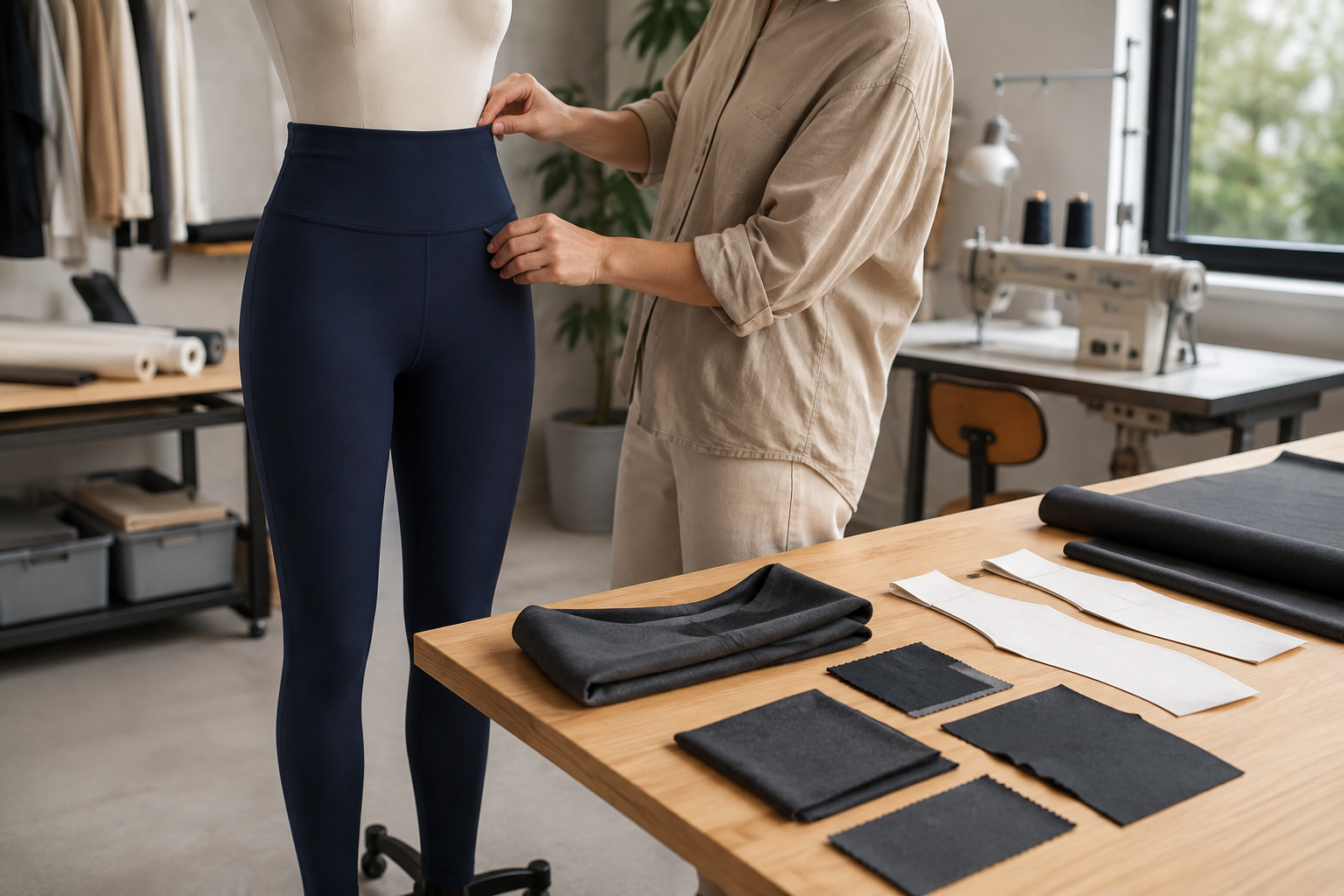
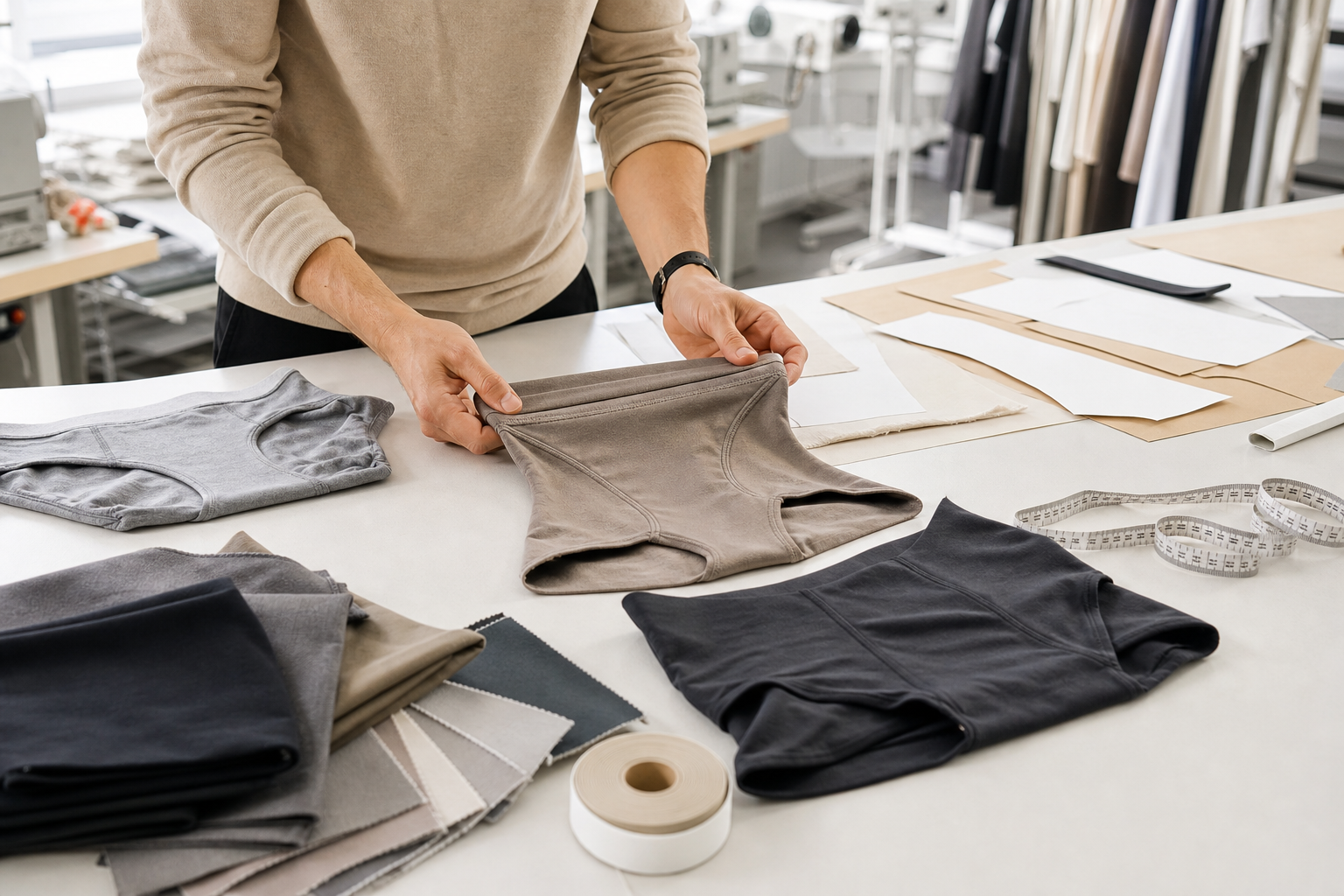
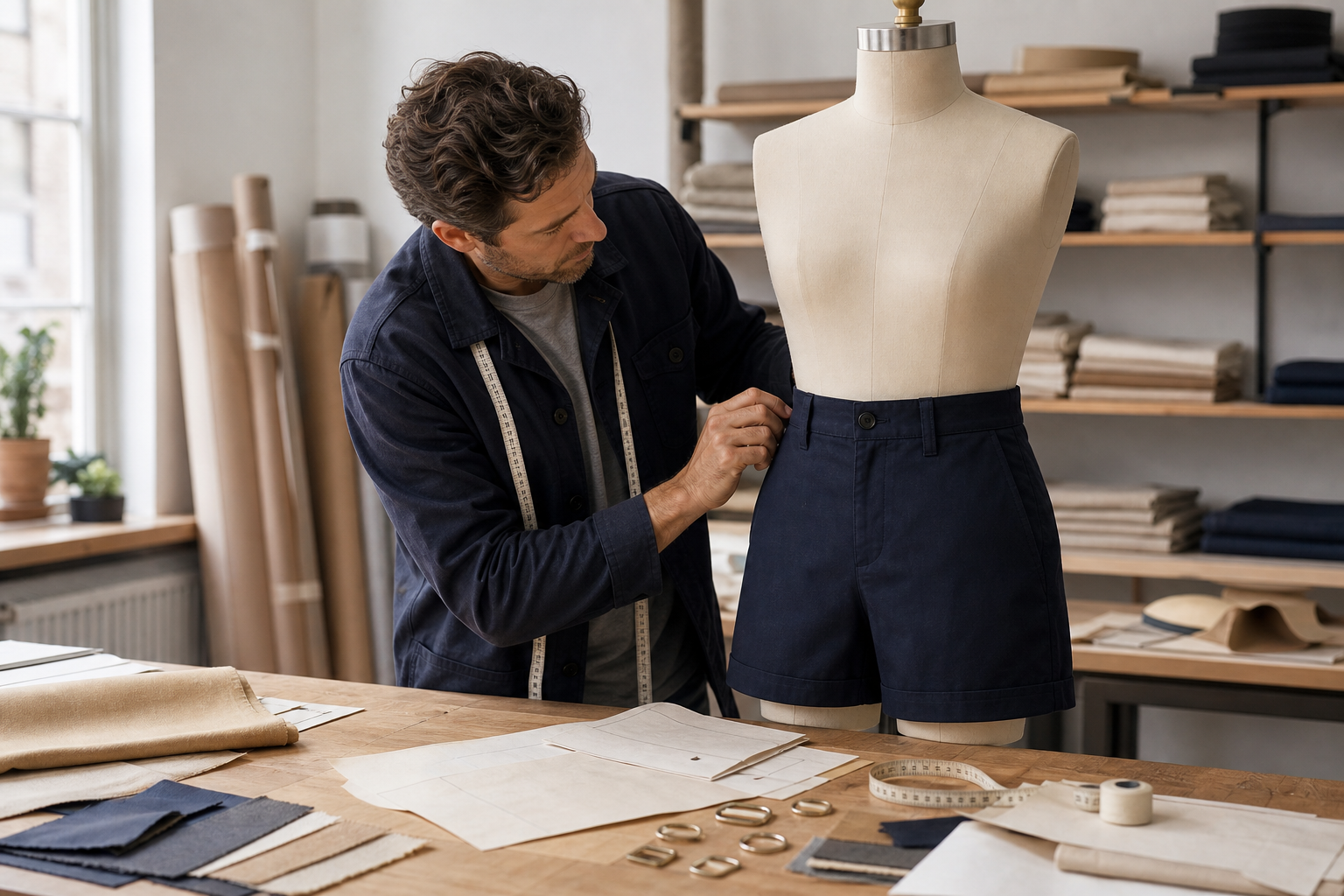
Swatches allow you to compare fabric options before committing to a full garment sample. Review them under normal light, stretch them by hand, place them over skin or lining if opacity matters, and compare them with your intended color direction. If possible, wash the swatch to observe shrinkage, texture change, and color behavior.
Swatches cannot show everything. A fabric may feel right in a small piece but behave differently when cut into a garment. That is why fabric approval should connect directly to clothing sample development. The sample stage confirms how the chosen fabric works with the pattern, construction, trims, and fit.
Check Fabric Risks Before Bulk Production
Before approving bulk production, review the fabric risks that are most relevant to your product. The exact checks depend on the garment, but brands should commonly consider:
- Shrinkage: Will the garment still meet measurements after washing?
- Colorfastness: Could color bleed, fade, or transfer during wear and care?
- Pilling: Will the surface develop unwanted fuzz or pills with friction?
- Twisting: Could jersey fabric rotate after washing because of yarn or finishing issues?
- Opacity: Is the fabric acceptable in light colors and larger sizes?
- Shade consistency: Will panels, ribs, trims, and reorders match closely enough?
- Print or embroidery performance: Does the fabric support the planned decoration method?
These checks should be part of your production standard, not afterthoughts. They also support stronger quality decisions during inspection. For a broader inspection framework, see this garment quality control checklist.
How Fabric Choice Affects Low-MOQ Orders
Fabric selection can be especially important when working with smaller order quantities. Some materials may be difficult to source in low volume, while others may require minimum dyeing or finishing quantities. Instead of building every style around a different fabric, small brands can often reduce complexity by selecting a focused fabric base and using design details, color, fit, trims, or branding to create variety.
This does not mean every product should use the same material. It means fabric decisions should support the order size, development budget, and operational reality of the collection. A focused fabric strategy can make sampling, color approvals, production planning, and quality control more manageable.
Common Fabric Selection Mistakes
- Choosing only from photos: Fabric must be touched, stretched, layered, and tested where relevant.
- Ignoring care performance: A garment should be judged after washing, not only when it is new.
- Copying a reference without context: The same fabric may not suit a different fit, climate, price position, or customer.
- Approving color too early: Color can change across fabric bases, lighting conditions, dye lots, and finishing methods.
- Using too many fabrics in a first collection: Variety can create unnecessary complexity before demand is stable.
Frequently Asked Questions
What fabric is best for private label clothing?
There is no single best fabric. The right choice depends on the garment type, fit, season, customer expectations, care method, decoration process, and production quantity. A good fabric is one that supports the product brief and can be produced consistently.
Should I choose fabric before making a sample?
You should choose a likely fabric direction before sampling, but the sample helps confirm whether that fabric works in the finished garment. If the fabric changes significantly after the first sample, fit and construction may need to be reviewed again.
Can my manufacturer help source fabric?
Many apparel manufacturers can help source fabric options when the brand provides a clear brief. The more specific your requirements are, the easier it is to compare suitable materials and avoid options that do not match the product.
How many fabric options should a startup brand test?
It is usually better to compare a focused group of relevant options than to review too many unrelated fabrics. Start with the product use case, then test the strongest choices through swatches and samples.
Choose Fabric With Production in Mind
Fabric selection is not only a design choice. It is a production decision that affects sampling, construction, quality control, care performance, and customer satisfaction. Brands that define the product use case, review swatches carefully, test the right risks, and document approvals are better prepared for private label apparel manufacturing.
If you are developing a private label collection and need help turning fabric ideas into production-ready garments, contact Huilin Fashion to discuss your product brief, samples, and manufacturing requirements.