Garment Quality Control Checklist for Clothing Brands
Quality problems are rarely caused by one dramatic mistake. More often, they develop through a series of small gaps: an unclear measurement tolerance, a shade difference that was not flagged, a seam construction detail interpreted differently by the factory, or packaging requirements confirmed too late. A practical garment quality control checklist helps a clothing brand and its manufacturing partner identify those gaps before they affect an entire order.
This guide explains how to structure apparel inspections from pre-production through final shipment. It is designed for startup and growing brands that want consistent products without turning quality control into an unnecessarily complicated process.
What Is Garment Quality Control?
Garment quality control is the process of checking materials, workmanship, measurements, appearance, labeling, packaging, and order consistency against approved requirements. It should not be treated as a single final inspection. The strongest quality systems include checkpoints before cutting, during sewing, after finishing, and before shipment.
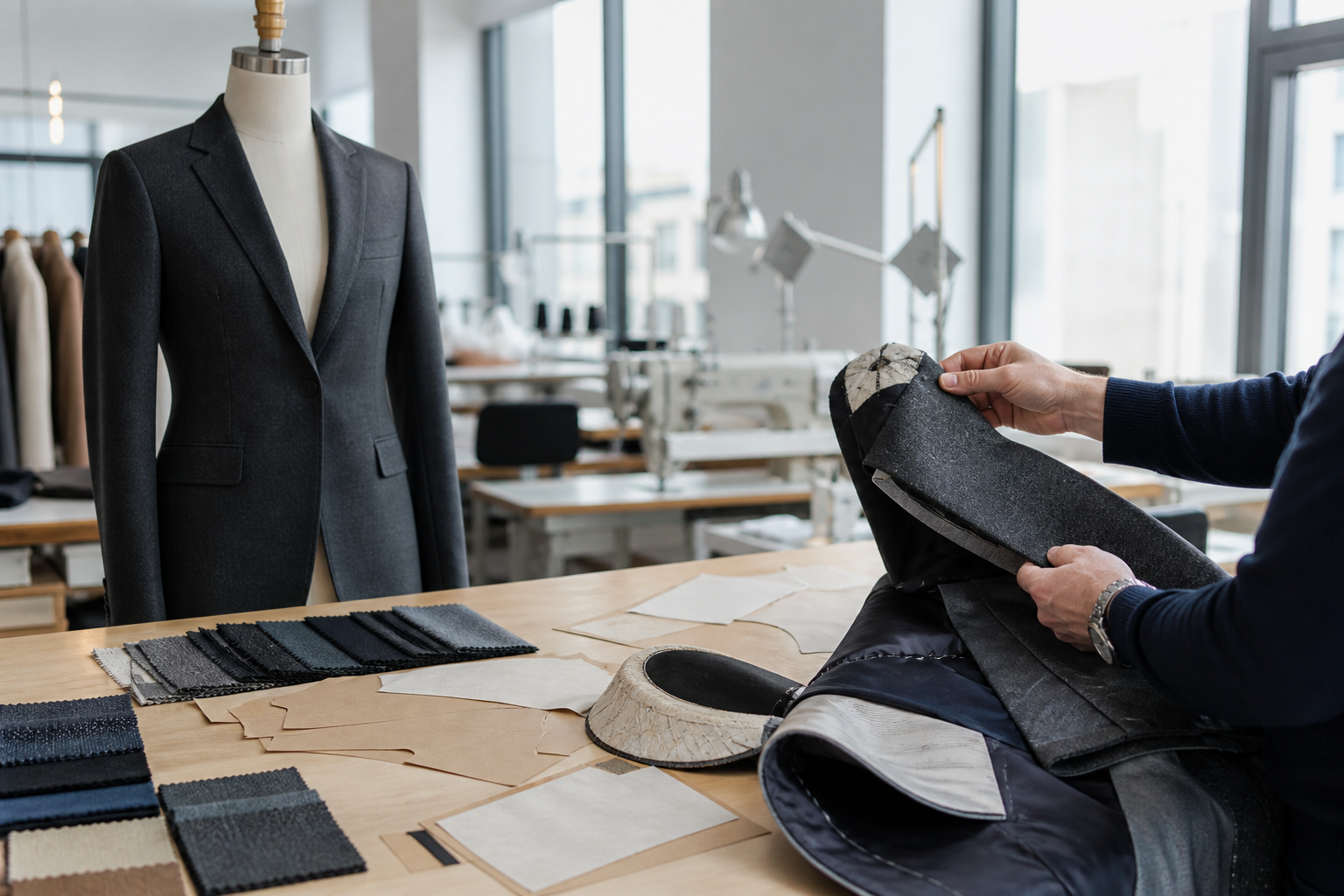
The foundation is an approved reference package. This normally includes the tech pack, measurement chart, bill of materials, color standards, label and packaging files, approved sample, and written tolerances. If these references conflict, inspectors cannot make consistent decisions. Brands should therefore resolve discrepancies during clothing sample development, before bulk production begins.
Why a Written Quality Checklist Matters
A written checklist creates a shared definition of acceptable quality. Without one, a brand may focus on fit and color while the factory prioritizes construction and quantity. Both sides may believe they completed a thorough inspection, yet important requirements can still be missed.
A useful checklist also helps teams:
- Find repeat defects early enough to correct the production method.
- Separate critical problems from minor cosmetic issues.
- Record decisions instead of relying on informal messages.
- Compare quality across colors, sizes, styles, and future orders.
- Reduce avoidable rework, delays, and product returns.
Quality Control Before Bulk Production
1. Confirm the Approved Product Standard
Before production, confirm which sample and documents are final. Every revision should have a date or version number. The approved sample should match the latest tech pack, especially for fabric, trims, measurements, construction, artwork placement, and finishing.
Review these items before releasing the order:
- Final measurement chart with tolerances for each point of measure.
- Approved fabric quality, composition, weight, color, and hand feel.
- Approved trims, including zippers, buttons, drawcords, elastic, and thread.
- Stitch types, seam allowances, reinforcement points, and finishing methods.
- Label content, placement, orientation, and packaging instructions.
- Approved print, embroidery, wash, or other surface treatment.
2. Inspect Fabric and Trims
Fabric problems discovered after cutting can affect a large portion of an order. Incoming materials should be checked for obvious defects, shade consistency, usable width, hand feel, and alignment with the approved standard. Relevant performance testing depends on the product and target market, so brands should agree with their supplier on the tests required for the specific garment.
Trims should also be compared with approvals before they enter the sewing line. Confirm color, size, function, finish, and quantity. A zipper that looks correct but operates poorly can become a significant customer-facing defect.
3. Review a Pre-Production Sample
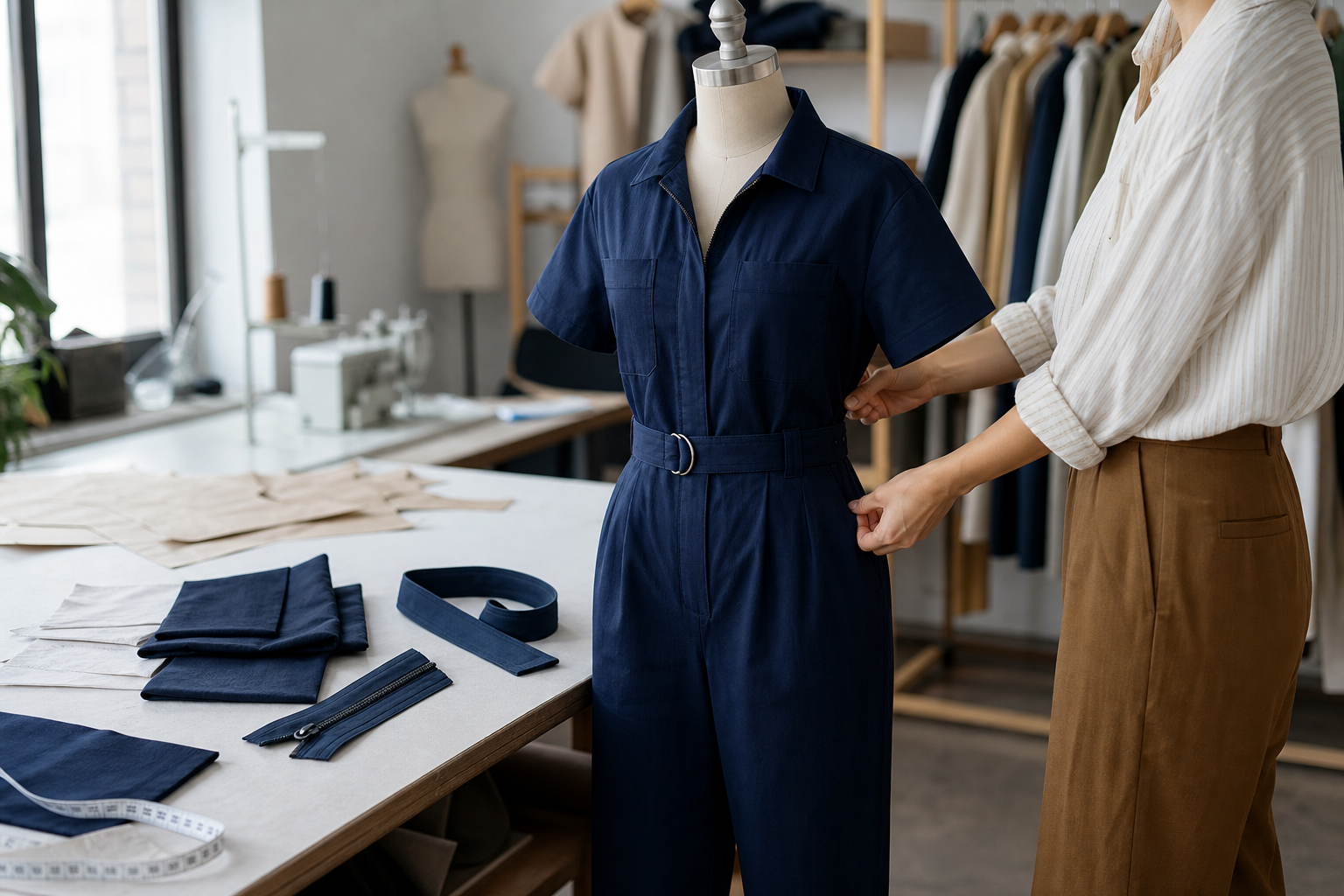
A pre-production sample shows how the factory intends to manufacture the bulk order using the confirmed materials and construction. Review it carefully and document every accepted change. This checkpoint is especially important when a style has complex details, multiple fabrics, special washes, or a broad size range.
Brands planning smaller first orders can combine this process with a realistic low-MOQ apparel production plan so that quality expectations, quantities, and production complexity remain aligned.
In-Line Garment Inspection Checklist
In-line inspection happens while garments are being sewn. Its purpose is to identify patterns before they continue through the full order. Inspectors should review pieces from different operators, bundles, sizes, and colors rather than checking only the easiest samples.
Workmanship and Construction
- Seams follow the approved construction and seam allowance.
- Stitching is secure, balanced, and free from skipped stitches or broken threads.
- Stress points have the required reinforcement.
- Panels, pockets, collars, cuffs, and closures are aligned correctly.
- No open seams, raw edges, puckering, twisting, or accidental needle damage appear.
- Prints, embroidery, stripes, and other visual elements are placed as approved.
Measurements and Fit
Measure garments using the same method defined in the tech pack. The garment should be placed consistently, without stretching or compressing it. Record actual measurements rather than writing only “pass” or “fail.” This makes it easier to identify a systematic pattern, such as sleeves gradually becoming shorter across the line.
Check multiple sizes and focus on points that affect fit or function. If measurements fall outside tolerance, determine whether the issue comes from cutting, sewing, pressing, fabric behavior, or the measurement method itself.
Color and Component Consistency
Compare components under suitable lighting. Watch for shade differences between garment panels, rib and body fabric, replacement parts, or separate production batches. Confirm that the correct trims and labels are being used for each color and size.
Final Garment Inspection Checklist
Final inspection should take place when the order is substantially complete and packed, but while corrective action is still possible. Inspectors should select cartons and garments across the shipment rather than accepting samples prepared specifically for inspection.
Appearance and Workmanship
- Garments are clean and free from oil, dirt, odors, loose threads, and visible marks.
- Shape, symmetry, pressing, and overall appearance match the approved sample.
- Seams, hems, closures, pockets, and decorative details are secure and functional.
- Fabric has no unacceptable holes, snags, shading, or surface damage.
- Artwork, washes, and embellishments are positioned and finished consistently.
Measurement Audit
Measure a representative selection across the size range. Record each result against the required specification and tolerance. A garment may look acceptable on a table but still create fit problems if several important measurements are consistently near or beyond the tolerance limit.
Labels, Packaging, and Cartons
- Main labels, care labels, size labels, and hangtags are correct and securely attached.
- Size and product information are consistent across garment labels, polybags, and cartons.
- Folding, packing ratio, protective materials, and assortment follow instructions.
- Cartons are suitable for shipment and display the required shipping marks.
- Total packed quantities match the order records.
Classifying Garment Defects
Defect classification helps brands make consistent decisions. Exact definitions should be agreed before inspection, but defects are commonly grouped into three practical levels:
- Critical defects: Issues that may create a safety, legal, or serious compliance risk.
- Major defects: Problems likely to affect function, saleability, fit, durability, or the customer’s decision to keep the product.
- Minor defects: Smaller departures from the approved standard that do not significantly affect function or normal use.
Brands sometimes use an acceptance sampling plan, often discussed using the term AQL, to determine how many units to inspect and how results are evaluated. The appropriate inspection level and acceptance criteria depend on the product, order, risk, and brand requirements. AQL should support a quality agreement, not replace clear specifications or good production control.
How to Build a Practical Apparel QC Checklist
- Start with product-specific risks. A basic T-shirt, structured jacket, and washed denim style should not use identical checklists.
- Turn subjective expectations into references. Use approved samples, measurement tolerances, color standards, placement diagrams, and photographs where helpful.
- Assign checkpoints. Decide which requirements must be verified before cutting, during sewing, after finishing, and before shipment.
- Define defect categories. Include examples that are relevant to the style so inspectors apply the same standard.
- Record corrective actions. Note the defect, quantity affected, likely cause, correction, owner, and reinspection result.
- Review results after every order. Repeated issues should lead to better specifications or process changes before the next production run.
Common Quality Control Mistakes to Avoid
One common mistake is relying only on final inspection. By that point, repeated defects may already exist across the order. Another is approving changes through scattered messages without updating the master specification. Teams should also avoid inspecting only one size, reviewing hand-picked samples, or treating every cosmetic variation as equally serious.
Most importantly, quality control should be collaborative. Clear feedback and timely decisions help the manufacturing team correct the cause of a problem, rather than simply sorting defective pieces at the end.
Frequently Asked Questions
When should garment quality inspections happen?
Inspections should begin with materials and approved standards before bulk production, continue during sewing, and finish with a representative final inspection before shipment.
What documents does an apparel inspector need?
An inspector typically needs the latest tech pack, measurement chart and tolerances, approved sample, bill of materials, color and artwork references, packaging instructions, and written defect criteria.
Can a final inspection guarantee that every garment is perfect?
No sampling-based inspection checks a representative selection, not necessarily every unit. Consistent quality depends on clear standards, stable materials, production controls, in-line checks, and effective corrective action.
How should a brand respond when defects are found?
First confirm the defect type, scale, and cause. Then agree on an appropriate corrective action, such as repair, replacement, sorting, or process adjustment, and reinspect affected products before shipment.
Build Quality Into the Production Process
A garment quality control checklist is most effective when it guides the entire production process, not just the final inspection. By confirming standards early, checking production at meaningful stages, and recording corrective actions, clothing brands can make better decisions and build more consistent products.
Huilin Fashion supports apparel brands through product development and production planning. To discuss the requirements for your next collection, visit Huilin Fashion and share your tech pack, target quantity, and quality expectations.