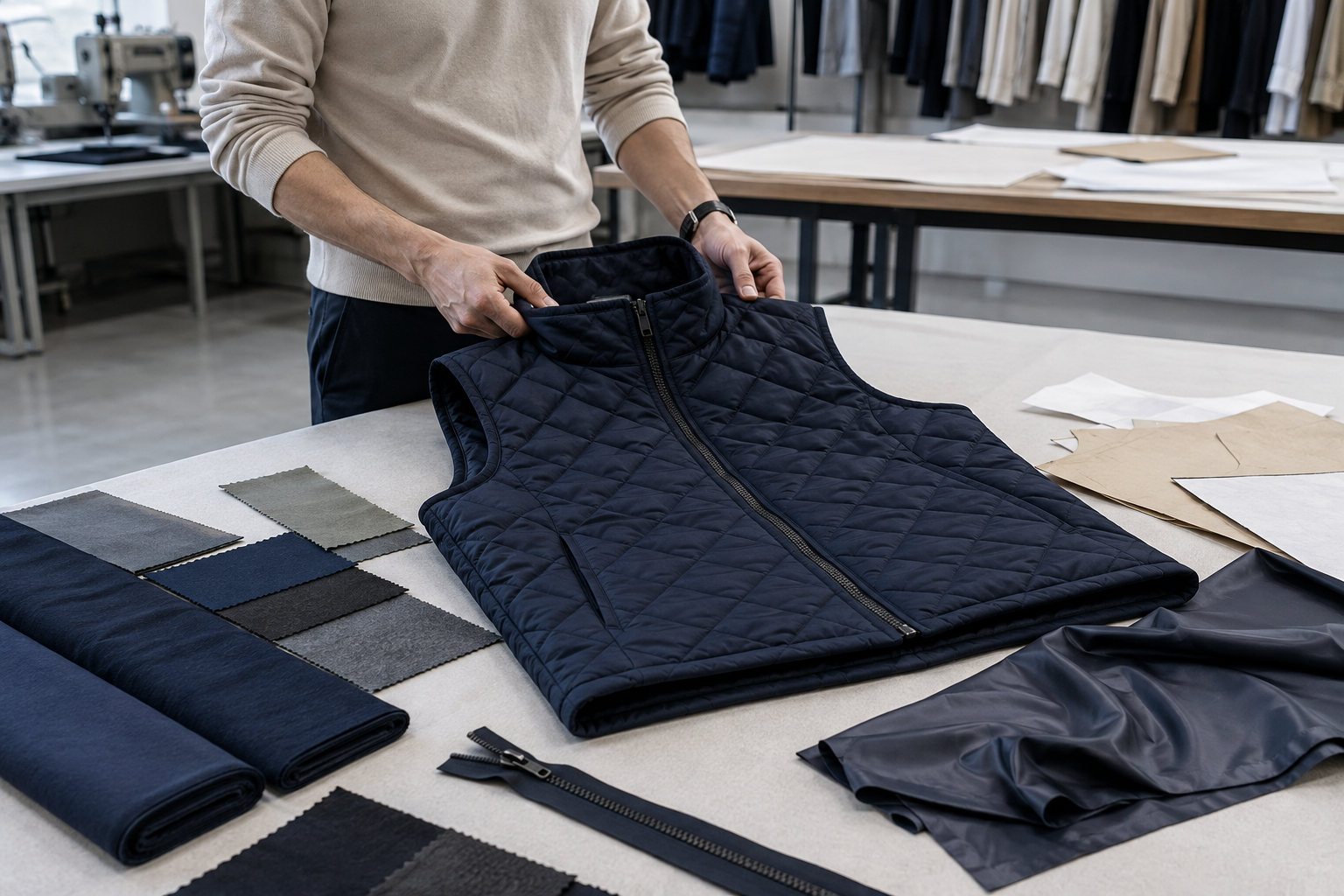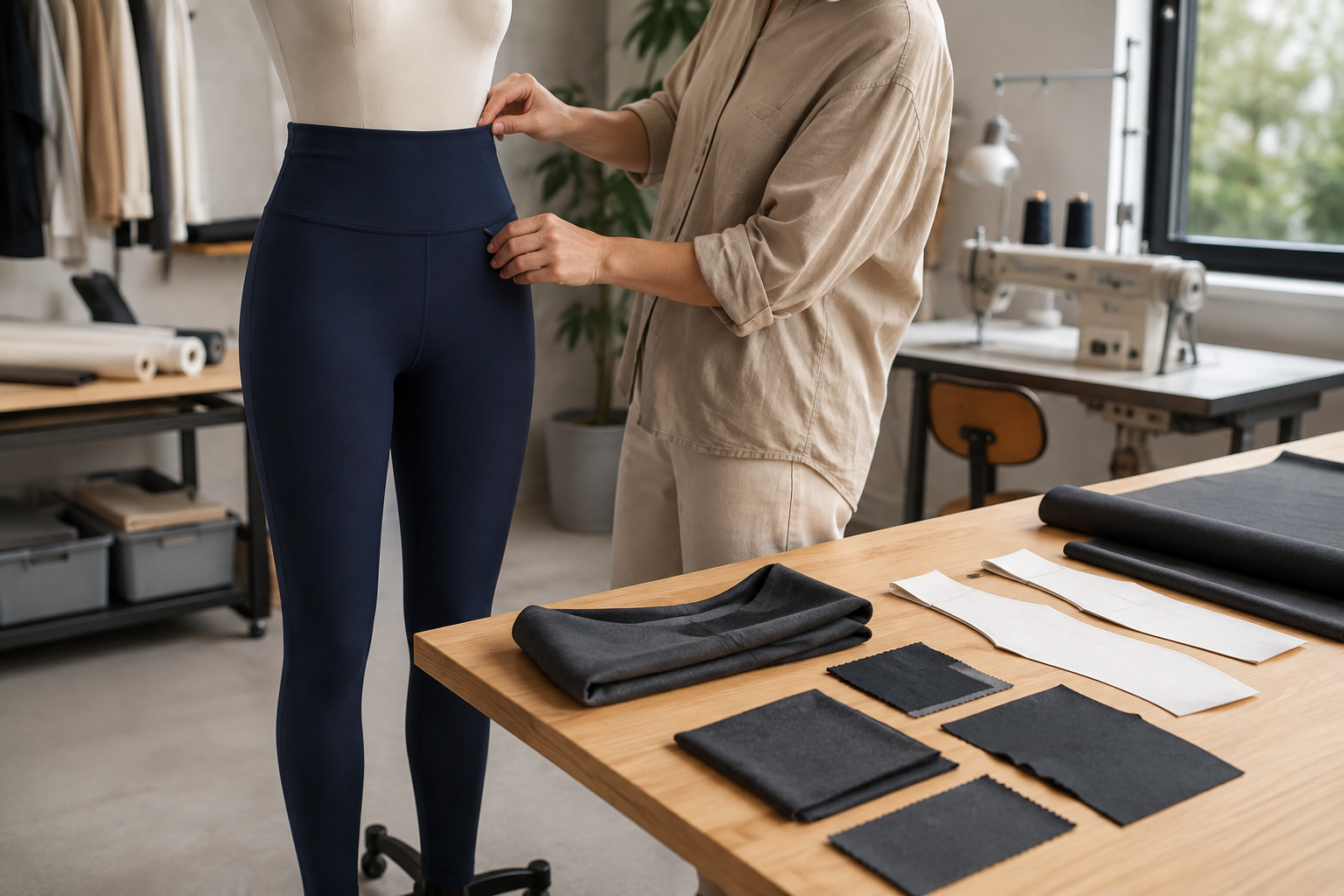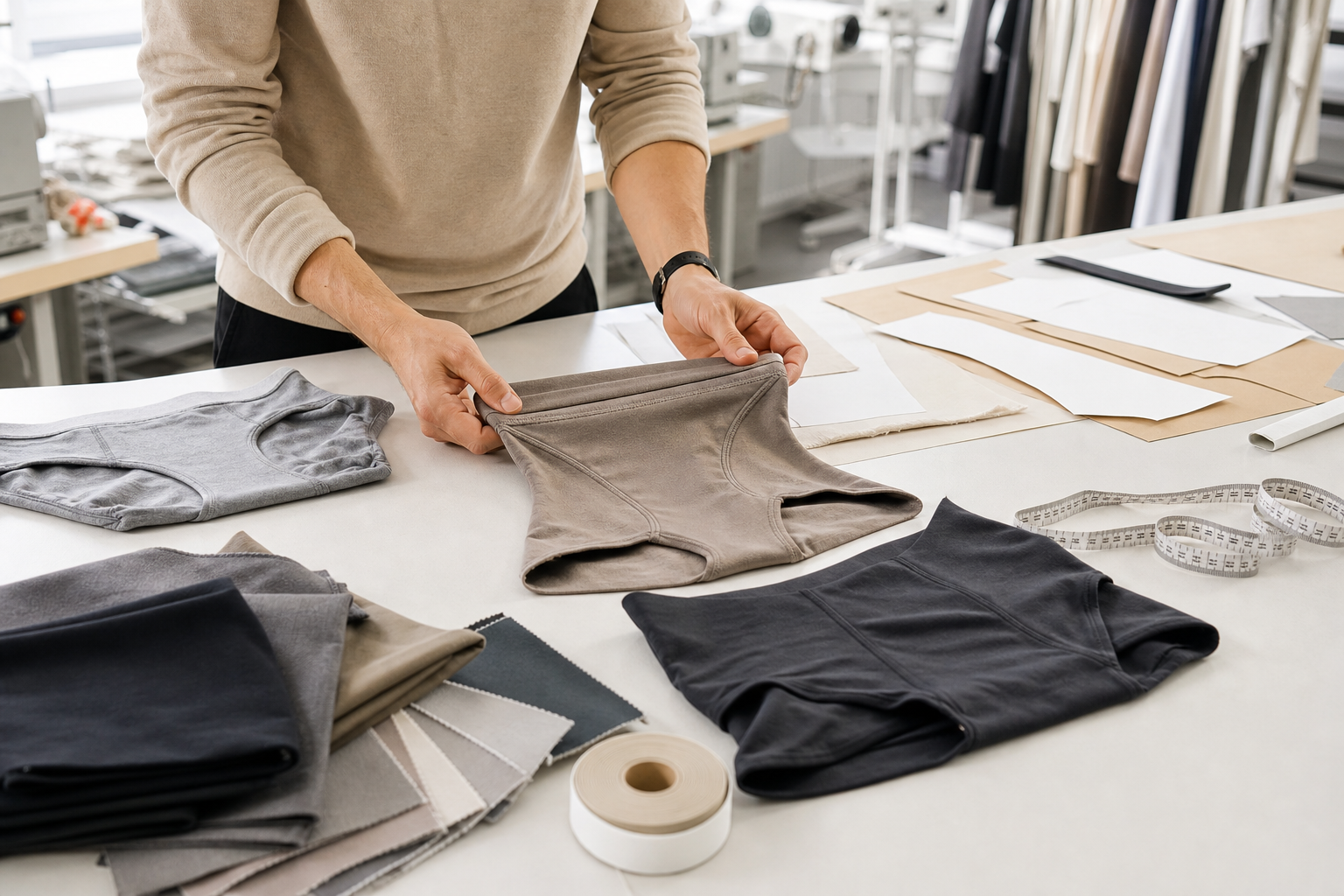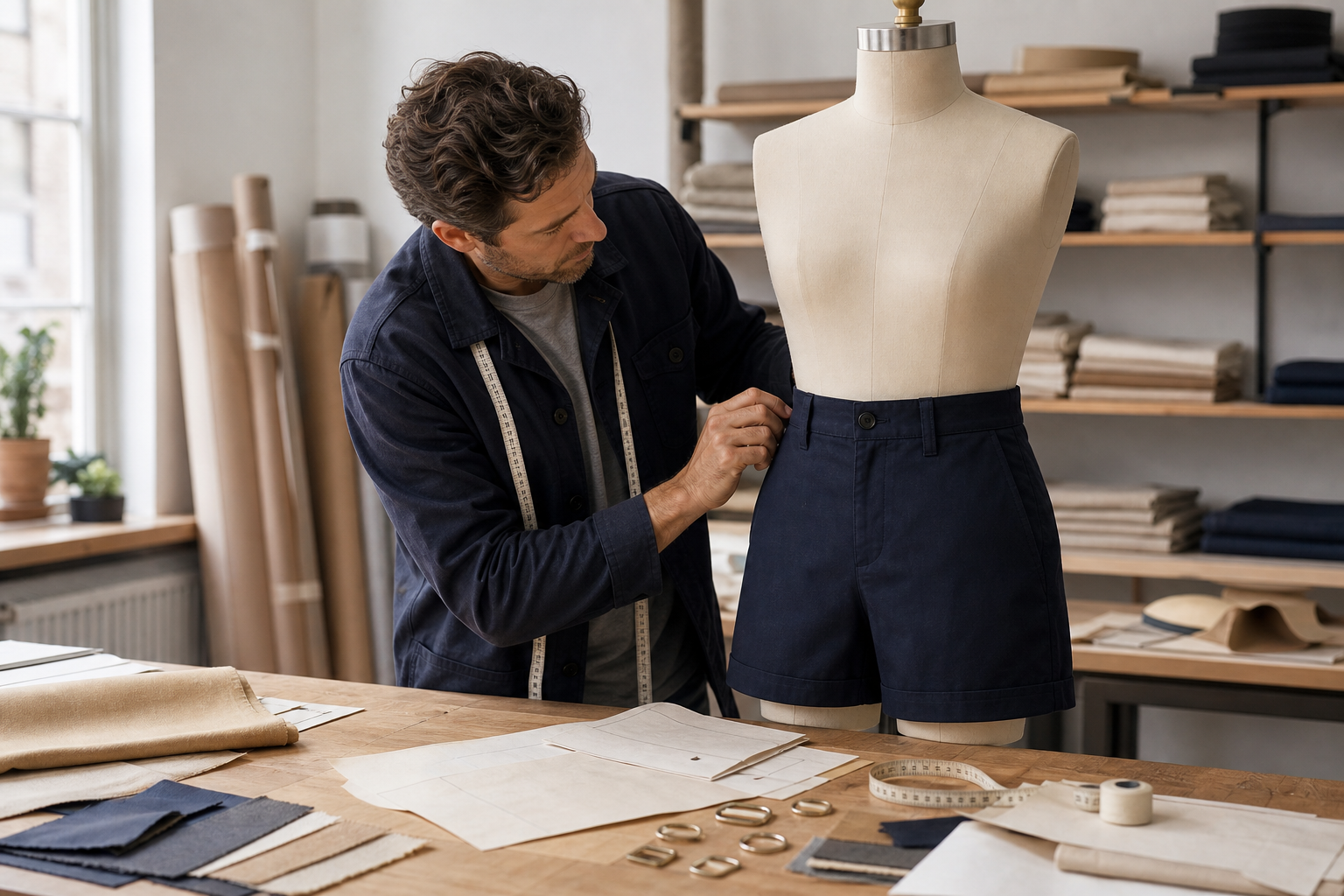
Apparel Tech Pack Guide for Custom Clothing Production
A clear apparel tech pack is one of the most useful tools a clothing brand can prepare before working with a manufacturer. It turns a design idea into practical production instructions, so the sample room, pattern maker, sourcing team, sewing team, and quality control team can all work from the same reference.
For startup brands and private label clothing teams, a tech pack does not need to be complicated. It does need to be specific. The more complete your instructions are, the easier it is for a factory to understand the product, make a sample, revise fit issues, and prepare for bulk production. This guide explains what to include before you send a custom apparel style for development.
What Is an Apparel Tech Pack?
An apparel tech pack is a document that describes how a garment should be made. It usually includes flat sketches, measurements, fabric details, trim details, construction notes, color information, label placement, packaging preferences, and revision records. Some brands use a spreadsheet, some use a PDF, and others use design software. The format matters less than the clarity of the information.
A good tech pack helps the manufacturer answer practical questions before cutting fabric. What is the garment category? Which fabric should be used? Is the fit relaxed, oversized, slim, cropped, or standard? Where should labels be placed? Which seams need topstitching? Without these details, the factory has to make assumptions, and assumptions often create avoidable sample revisions.
If you are still choosing a supplier, review how a custom clothing manufacturer describes its production scope, sampling support, and garment categories. That context can help you organize information in a way a production team can actually use.
Why Tech Packs Matter in Custom Apparel Manufacturing
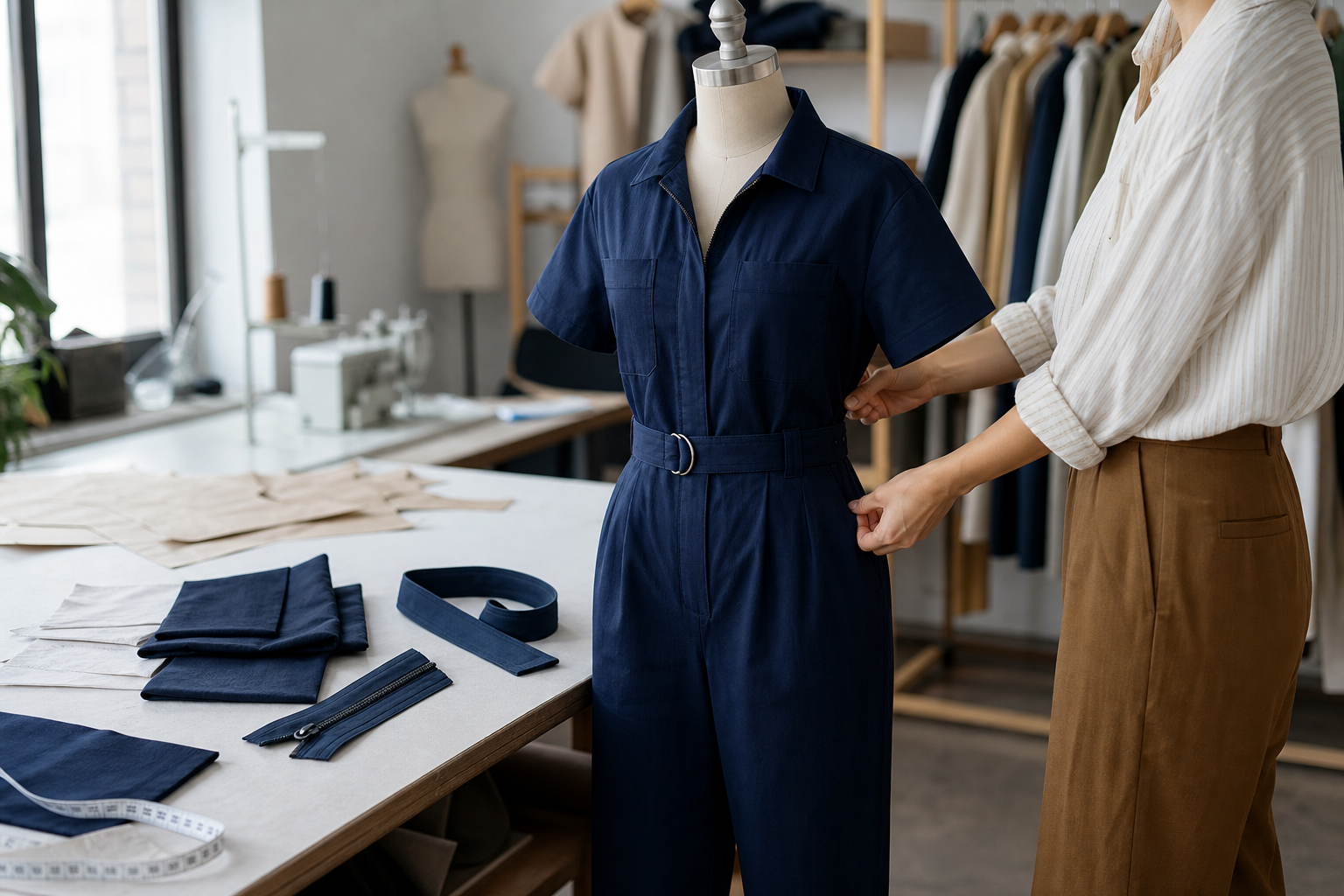
Custom apparel production involves many handoffs. A development contact may first review your concept, but the sample is made by pattern makers and sewing technicians. Fabric and trims may be sourced by another team. Quality control checks the finished garment against the approved standard. A tech pack gives each person a shared reference point.
For low MOQ apparel production, this is especially important. Smaller runs leave less room for trial and error because every sample decision affects the order more directly. A detailed tech pack can support more accurate sampling, clearer feedback, and easier comparison between the first sample, revised sample, and approved production sample.
Core Sections Every Production-Ready Tech Pack Should Include
Style Overview
Start with basic style information: style name, style number, product category, season or collection name, target size range, intended customer, and version date. The style number should be simple and consistent, especially if you are developing several products at the same time.
Include a short design summary. Instead of writing only “women’s jacket,” describe the garment as a cropped zip-front jacket with a relaxed fit, ribbed hem, two front pockets, and contrast lining. This gives the production team a quick understanding before they review the detailed pages.
Flat Sketches and Visual References
Flat sketches show the garment from the front and back, and sometimes from the side or inside. These sketches do not need to be artistic fashion illustrations. In production, clean technical drawings are more useful because they show seams, panels, pockets, closures, stitch lines, cuffs, hems, and other construction details.
If you use reference photos, label them carefully. A reference image should explain a specific detail, not replace the tech pack. For example, use one photo to show a collar shape, another to show pocket placement, and another to show a drawcord end. Never assume the manufacturer will know which part of a reference image matters most.
Bill of Materials
The bill of materials, often called the BOM, lists every material needed to make the garment. This includes shell fabric, lining, rib, interfacing, zipper, buttons, snaps, elastic, drawcord, eyelets, thread, care labels, main labels, hangtags, polybags, and any special packaging materials.
For each item, include as much information as you have: material type, composition, weight, color, size, supplier reference, and placement. If you have not selected an exact fabric yet, describe the performance and hand feel you want. For example, you might request a medium-weight cotton fleece with a soft brushed back, or a structured woven fabric with low stretch and a clean surface.
Measurement Specification
The measurement specification lists the points of measure for each size, such as chest width, body length, shoulder width, sleeve length, waist, hip, inseam, rise, leg opening, or skirt length. It should also include the allowed tolerance for each measurement.
Use clear measurement names and explain how each point should be measured. A chest width measured one inch below the armhole is different from a chest width measured across the fullest part of the garment. If your brand already has a fit block, base size, or approved sample, note that in the tech pack.
Construction Details
Construction notes explain how the garment should be sewn and finished. Include seam types, stitch types, stitch placement, topstitching, bartacks, reinforcement areas, hem finishes, neckline finishes, pocket construction, cuff construction, waistband details, and closure methods.
This section prevents many sample issues. If you want double-needle stitching at the hem, say so. If the inside seam should be clean finished, specify it. If the pocket opening needs reinforcement, include that note. Avoid vague phrases such as “premium finishing” unless you also explain the actual construction choices that create that result.
Colorways, Artwork, Labels, and Packaging
If the style has multiple colorways, create a clear color table. Include fabric color, trim color, thread color, label color, drawcord color, zipper tape color, and any artwork color. For printed or embroidered designs, include artwork files separately and note placement, size, and production method.
Private label clothing production often includes main labels, care labels, size labels, hangtags, stickers, barcodes, and packaging. State what labels are needed, where they go, and whether the manufacturer should source them or use brand-supplied materials. For packaging, include folding method, polybag size, sticker placement, carton marking requirements, and any special instructions.
How to Prepare a Tech Pack Before Contacting a Manufacturer
Before sending a tech pack to a factory, review it as if you were seeing the product for the first time. Could someone understand the style without a meeting? Are the front and back views shown? Are measurements readable? Are materials listed? Are open decisions marked clearly? Are revision dates visible?
If your brand is working with a low MOQ clothing manufacturer in China, this preparation can make the first conversation more productive. Instead of spending the entire discussion clarifying the design, you can focus on feasibility, fabric options, sampling direction, and production planning.
You do not need to have every answer before contacting a manufacturer. Many brands need help refining materials, adjusting construction, or improving production feasibility. The key is to separate confirmed requirements from questions. Use notes such as “to be confirmed,” “factory recommendation needed,” or “sample test required” so the manufacturer knows where input is welcome.
Common Tech Pack Mistakes That Slow Down Sampling
One common mistake is sending inspiration images without explaining the details. A reference photo can show mood or style direction, but it cannot define exact measurements, fabric, trims, and construction. If a reference garment has five visible features and you only care about one of them, say that clearly.
Another mistake is using general language where production needs specifics. Words like soft, premium, oversized, durable, heavy, or luxury can mean different things to different people. Whenever possible, connect those words to measurable or visible details: fabric weight, fit measurements, seam finish, lining choice, stitch placement, or trim quality.
How a Tech Pack Supports Sampling and Quality Control
The first sample is not only about appearance. It is a test of fit, construction, fabric behavior, trim compatibility, and communication. A strong tech pack gives the factory a clear target, and it gives your brand a structured way to evaluate the result.
When the sample arrives, compare it against the tech pack section by section. Check measurements against the specification. Review fabric hand feel and color. Look at seam quality, stitch placement, label position, trim function, and overall fit. Record feedback in a clear revision table instead of sending scattered messages.
This process also supports bulk quality control. Once a sample is approved, the final tech pack and approved sample become the production standard. Quality checks can then compare finished goods against known requirements rather than subjective impressions.
Final Checklist Before You Submit Your Tech Pack
- Style name, style number, version date, and product category are included.
- Front and back flat sketches show all important seams and details.
- Reference photos are labeled with the exact detail they explain.
- Fabric, trims, labels, thread, artwork, and packaging are listed in the BOM.
- Base size measurements and tolerances are clear.
- Construction notes explain stitch types, seam finishes, and reinforcement points.
- Colorways are listed with fabric, trim, thread, label, and artwork colors.
- Open questions are marked clearly instead of hidden in vague wording.
- The revision log shows the latest version and design changes.
FAQ
Do I need a professional designer to make a tech pack?
A professional designer or technical designer can make the process easier, especially for complex garments. However, a startup brand can still prepare a useful first tech pack by organizing sketches, measurements, materials, reference details, and open questions clearly.
Can a manufacturer help improve my tech pack?
Many manufacturers can review your information and point out missing production details. The most productive approach is to send the clearest version you have, then ask targeted questions about fabric, construction, sampling, and production feasibility.
Should I include target cost in the tech pack?
You can share a target cost range separately if it helps guide material and construction choices. Avoid forcing the tech pack to solve costing alone. Fabric, trims, construction complexity, order quantity, packaging, and shipping expectations can all affect the final quote.
Build a Better Starting Point for Production
If your brand is preparing a custom garment, private label collection, or low MOQ apparel order, Huilin Fashion can review your product direction and help you discuss sampling, materials, and production requirements. To start the conversation, send your design details through the Huilin Fashion contact page. You can also review resources for clothing manufacturers for startups before planning your next collection.