Made-to-Order Clothing Manufacturing: A Practical Guide for Apparel Brands
Made-to-order clothing manufacturing can help an apparel brand align production more closely with real demand. Rather than committing every style, color, and size to a large inventory position at once, a brand may build a process that confirms demand first and releases clearly defined orders for production. The model can suit new collections, limited launches, special sizes, or styles that are difficult to forecast.
It is not, however, a shortcut around product development. A made-to-order program still needs a stable design brief, approved materials, accurate specifications, dependable sample sign-off, and a practical way to communicate what a customer has ordered. This guide explains the decisions that make the model easier to manage when working with a clothing manufacturer.
What Made-to-Order Clothing Manufacturing Means
In a made-to-order model, garments are produced in response to a defined order or a planned order window instead of being produced entirely for stock in advance. The exact setup varies. One brand may collect customer orders for a short launch period and place one combined production order. Another may offer selected styles on an ongoing basis and group confirmed orders into scheduled factory releases.
For a manufacturer, the key question is not simply whether the order is called “made to order.” It is whether the order arrives with a workable product specification, confirmed quantities, approved materials and trims, and a production plan that can be executed consistently. Clear definitions at the start prevent a made-to-order promise from becoming an unclear series of one-off requests.
Choose the Right Made-to-Order Model for Your Brand
Batch orders after a selling window
This approach collects orders during a defined period, then combines them by style, color, and size before production begins. It can give a brand a cleaner quantity picture and make material planning more straightforward. It also requires transparent customer communication about the order window and the production stage that follows.
Core styles produced in recurring releases
For steady products, brands may group confirmed orders into regular releases. The best candidates are usually styles with stable patterns, known materials, and an approved size specification. A recurring release works more smoothly when each repeat uses the same reference information instead of rebuilding the brief from memory.
Limited, personalized, or special-size orders
Some brands use made-to-order production for a narrow set of variations: a special length, a limited color, a named team order, or a small capsule. These orders need boundaries. Define which elements may vary and which must remain fixed, so that the pattern, construction, and quality expectations stay controlled.
Start With a Production-Ready Product, Not Just a Concept
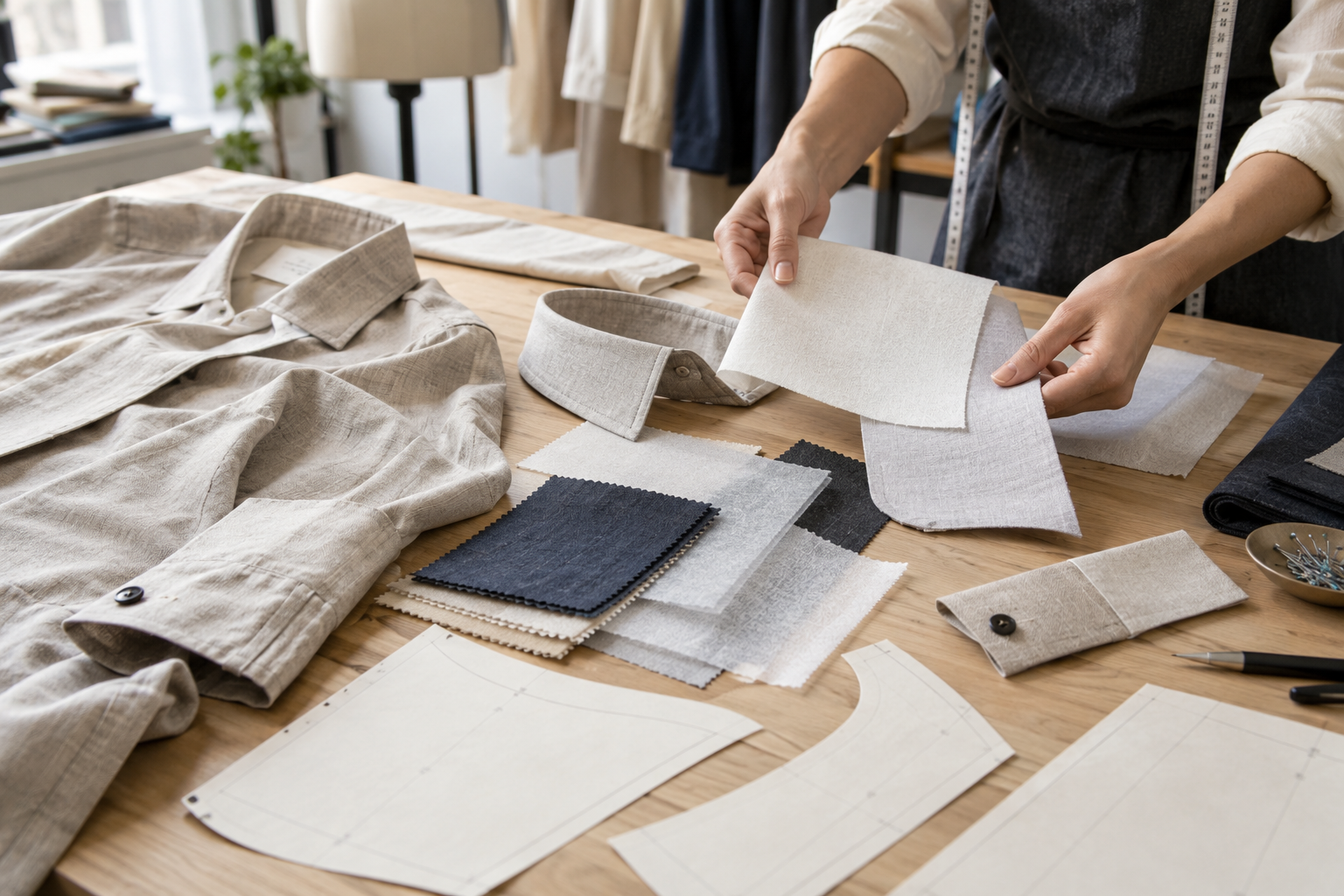
Demand-led production works best when the garment itself has already been developed. Before collecting orders, make sure the manufacturer has enough information to reproduce the approved version. A complete apparel tech pack gives the team one place to find the style sketch, measurements, construction notes, labels, decoration placement, and packaging requirements.
The product brief should identify the approved sample and any changes made after sampling. Keep the pattern version, base size, grading rules, tolerance expectations, and bill of materials connected to the same style code. If a customer-facing product page describes a feature that is not documented for production, clarify it before orders open.
Plan Materials and Trims Before Demand Arrives
Made to order does not mean every input can appear instantly after checkout. Fabrics, linings, zippers, buttons, labels, and packaging may each have their own availability and ordering requirements. Work with the manufacturer to decide which inputs will be held for the program, which will be ordered after a batch closes, and what substitutions are acceptable only with brand approval.
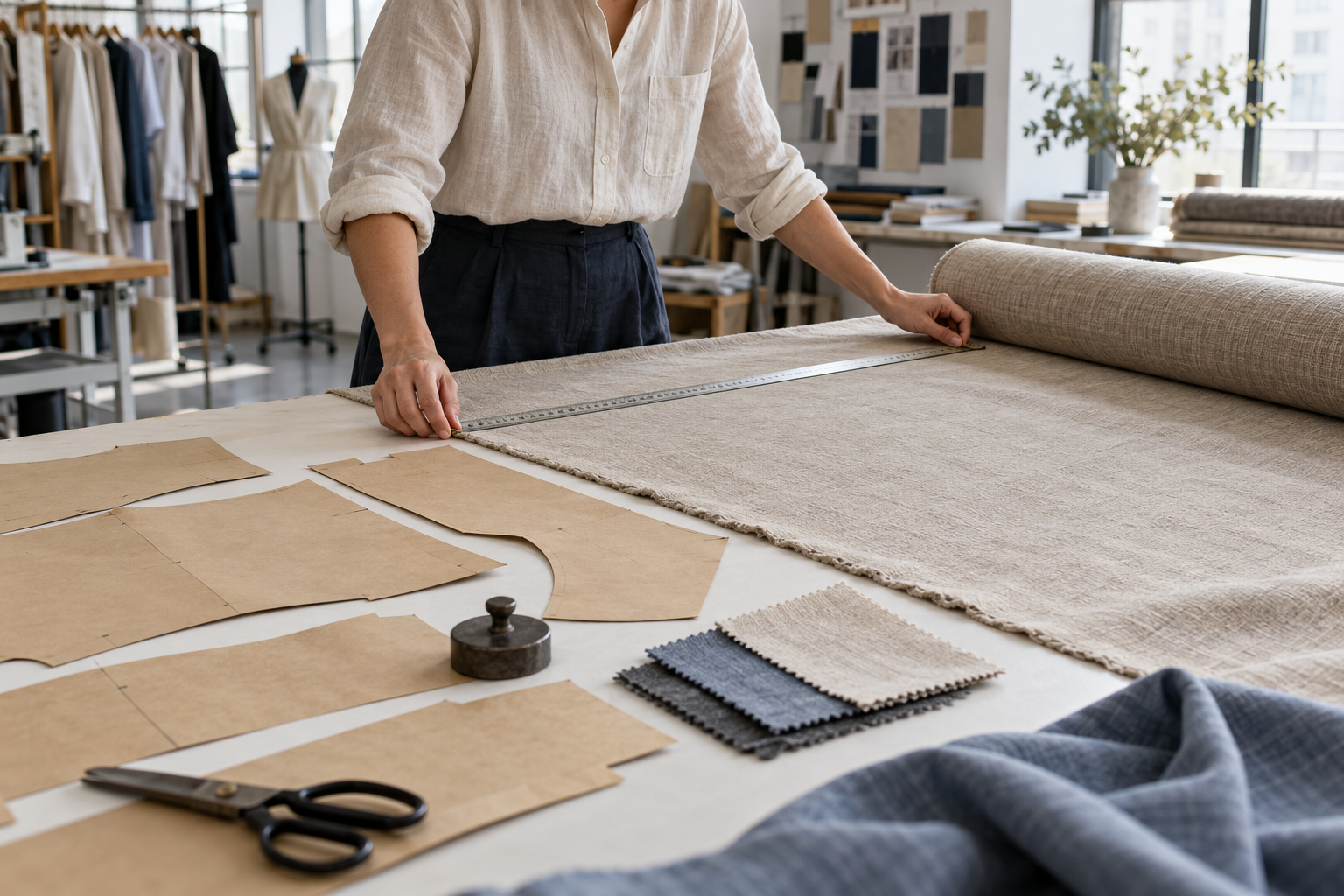
Material decisions should be tied to the intended garment performance. Weight, hand feel, opacity, stretch, recovery, shrinkage, and color behavior can all affect the approved sample and the final customer experience. Use a documented fabric-selection process rather than choosing a replacement only because it is currently available.
For trims, record the exact specification whenever possible: dimensions, finish, color reference, placement, and attachment method. This is especially useful for hardware, elastic, woven labels, drawcords, and branded packaging components. If a component has an alternative, name it in advance and state when the brand must approve it.
Turn Customer Orders Into a Clean Factory Order
A factory should receive an aggregated production order, not a stream of customer messages. Build a simple handoff that totals the confirmed demand by style, color, size, and approved variation. Include the order-window date, required delivery destination, packing method, and any rules for separating orders.
Check the size and color mix before releasing production. A useful order summary distinguishes the customer-facing name from the factory style code and indicates every permitted colorway. Confirm that the order totals and permitted variations match the customer-facing assortment before the handoff.
Agree on one person or channel for order changes. Late additions, cancellations, or size switches can affect fabric allocation, cutting, labeling, and packing. A defined cut-off lets both the brand and manufacturer know when the order is final enough to begin the next production step.
Build Sampling and Approval Into the Workflow
The first release of a style should not depend on customer orders to discover basic fit or construction issues. Review the development sample first, then document the approved reference. If a new color, fabric, decoration, or variation changes the garment materially, decide whether it needs a separate sample or a focused approval before it enters the program.
Good sample feedback is specific. Mark the point of measure, identify the comparison to the specification, explain the requested change, and confirm whether the change applies to every size or only the sample. A structured fit-sample feedback process reduces the chance that the next version reflects an assumption rather than an approved decision.
Set Realistic Customer Expectations Without Guesswork
Your customer-facing promise should reflect the actual sequence: order window, material confirmation, production, quality review, packing, and shipment. Avoid presenting an estimated date as a guaranteed outcome unless the full supply plan supports it. Instead, explain the stage customers are buying into and keep them informed if a material or approval decision affects the schedule.
Internally, record the timing assumptions for each style and revisit them after each release. This is not about inventing a universal lead time; it is about learning which steps in your own program require more preparation. A stable core product with confirmed inputs may need a different plan from a new design with a special finish.
Protect Quality Across Smaller and Recurring Releases
Smaller releases still deserve consistent quality control. Use the approved sample, measurement specification, construction notes, and packing requirements as the reference for each order. Confirm that the correct fabric, color, trims, labels, and artwork are being used before final packing.
A practical quality review includes workmanship, measurements, appearance, function, color consistency, and labeling. The exact inspection method should reflect the garment and order, but the reference point should remain stable. A documented quality-control checklist helps the brand and factory discuss requirements in concrete terms.
Create a Repeatable Release Checklist
Before each made-to-order production release, confirm the following:
- The style code, approved sample, and current specification match.
- Customer demand has been aggregated by color, size, and permitted variation.
- Fabric, trims, labels, and packaging are confirmed or have an approved contingency.
- The final order cut-off and change-control process are clear.
- Quality, packing, and delivery instructions are attached to the production handoff.
- Customer communication reflects the actual order stage.
Keeping this checklist with each release creates a useful record. Over time, it also reveals whether a style is ready to remain made to order, should move into a planned stock program, or needs more product development before another release.
FAQ
Is made-to-order clothing the same as custom clothing?
Not always. Made to order describes when a garment is produced in relation to demand. Custom clothing may describe a branded design, a personalized variation, or a garment developed to a brand’s specification. A made-to-order program can offer fixed styles, approved variations, or custom elements depending on how the brand defines the product.
Can a startup use made-to-order clothing manufacturing?
Yes, provided the startup has a clear product brief and a manageable release plan. Beginning with a focused style range and controlled variations is generally easier to coordinate than launching many unfinished products at once.
What information should a manufacturer receive for a made-to-order release?
Provide the current tech pack, approved sample reference, aggregated quantity breakdown, material and trim approvals, packing instructions, and a clear order cut-off. The manufacturer should also know who can approve changes if an issue needs a decision.
Move From Demand Signals to a Controlled Production Plan
Made-to-order clothing manufacturing works when demand collection and production discipline support each other. Keep the product defined, control the variations, plan materials early, and release one clear factory order. If you are developing a made-to-order apparel program, contact Huilin Fashion to discuss your product brief, sampling needs, and production handoff.