Fabric, Color, and Trim Approval Before Bulk Clothing Production
Fabric, color, and trim approval is one of the most important checkpoints before bulk clothing production begins. A garment may look right in a design file, and the fit sample may be close, but the final product still depends on the materials that go into production. If the fabric quality changes, the lab dip is misunderstood, or the zipper, button, label, or thread color is not confirmed, the finished order can move away from the brand’s original intention.
For startup fashion brands and growing private label teams, this approval stage turns visual preferences into clear production decisions. This guide explains what buyers should review, how to give approval comments, and how to reduce avoidable misunderstandings before cutting and sewing starts.
What Fabric, Color, and Trim Approval Means
Fabric, color, and trim approval is the process of checking and confirming the physical materials that will be used for bulk production. It usually happens after early product development and before the manufacturer purchases or cuts bulk materials.
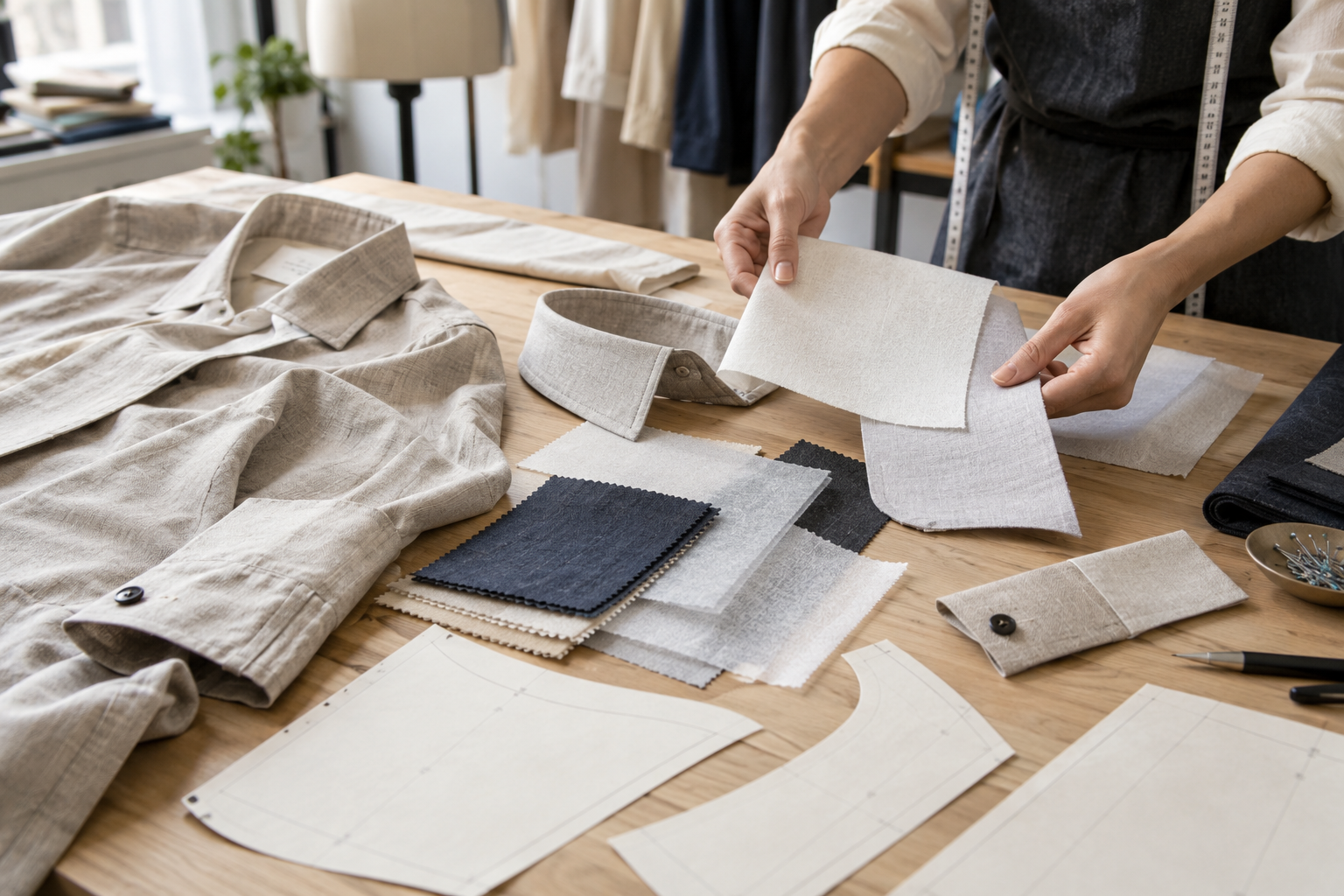
This approval should be based on real references whenever possible. Photos can help communication, but they should not replace physical swatches, lab dips, strike-offs, sample trims, or an approved garment sample.
The goal is not only to say whether something looks nice. The goal is to confirm that the material, shade, finish, placement, and performance are suitable for the garment and that both the buyer and manufacturer understand which version is final.
Why This Step Matters for Apparel Buyers
Small material decisions can affect the whole production order. A slightly heavier fabric may change drape and fit. A zipper with a different puller may change the garment’s appearance. Thread that is close but not correct may become obvious after sewing. A label that is too stiff may irritate the wearer or change how the neckline sits.
For B2B apparel buyers, approval discipline helps prevent unclear expectations, uncontrolled substitutions, and late-stage corrections. Once fabric has been dyed, trims purchased, and panels cut, changes become harder to manage.
If your product is still in early development, connect material approval with a complete apparel tech pack for custom clothing production. The tech pack defines the specification; the approval references confirm the actual materials that will be used.
Start With the Fabric Quality
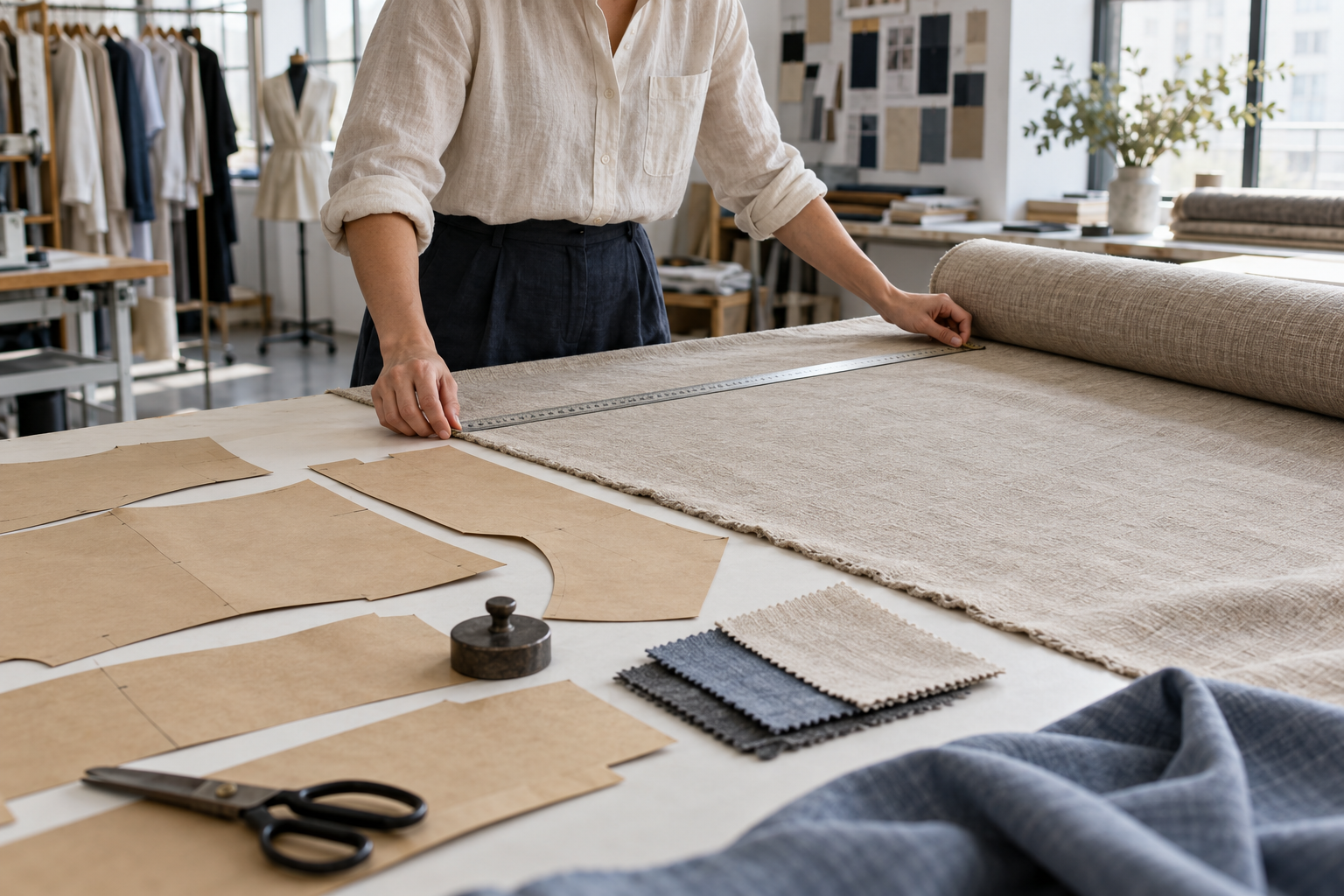
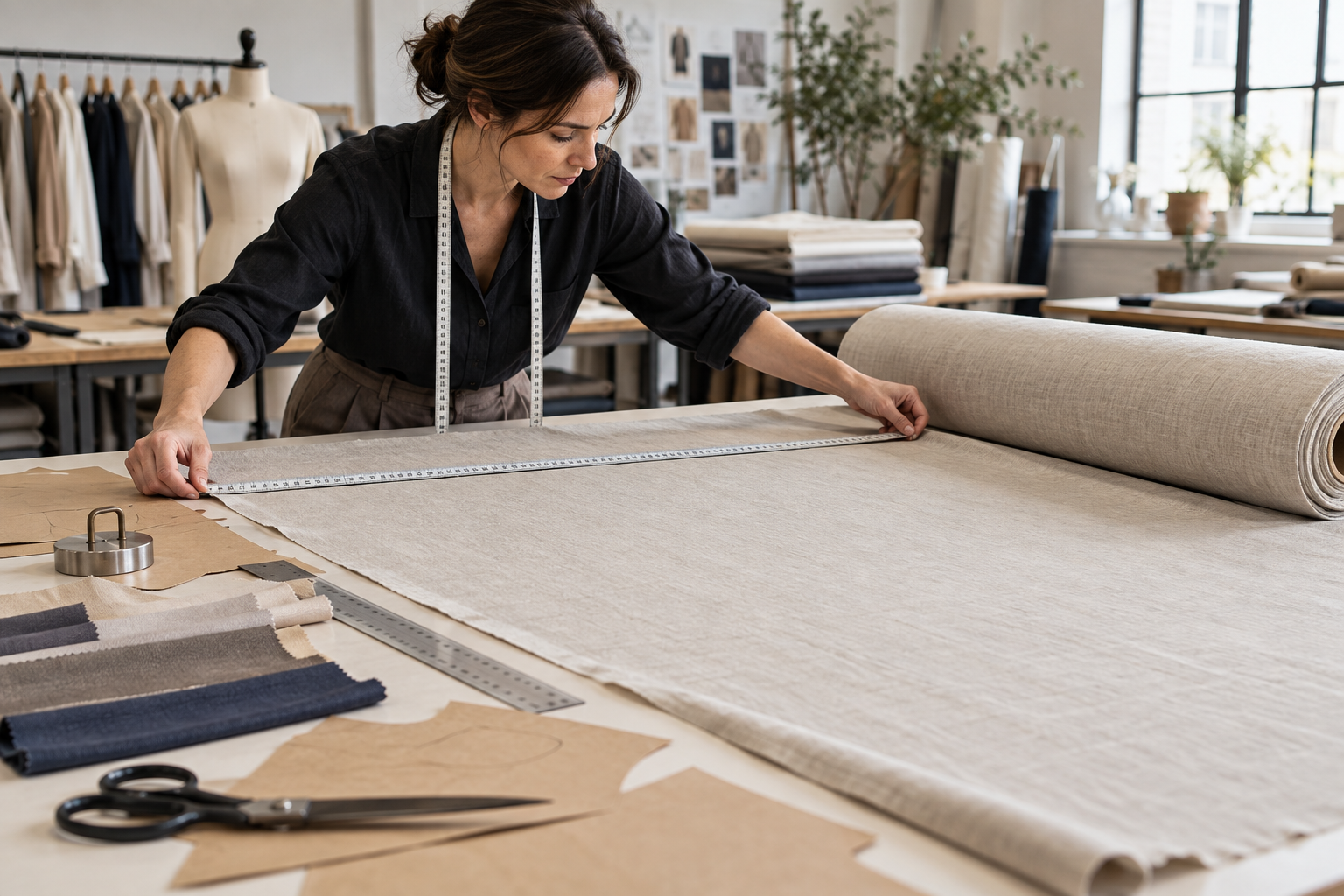
Fabric approval should begin with the base quality, not just the color. The buyer should confirm fiber content, construction, fabric weight, hand feel, stretch, recovery, opacity, surface texture, and finishing. For some garments, fabric behavior after washing, steaming, or pressing may also need review.
Check whether the fabric supports the design
A fabric can look attractive as a swatch but still be wrong for the garment. Lightweight fabric may not give enough coverage, excess stretch may distort decoration, and a stiff woven fabric may not work for a relaxed silhouette.
Before approval, compare the fabric with the intended product category, fit, season, and care expectations. A structured review of fabric selection for private label clothing can help buyers avoid approving a material based only on color or first touch.
Review shrinkage and stability risks
Fabric behavior can change after washing, finishing, or pressing. If the fabric shrinks, twists, grows, or loses recovery, the garment may no longer match the approved fit. Buyers should ask whether the fabric has been reviewed for the intended care method and whether pattern or measurement adjustments are needed.
This is especially relevant for cotton knits, rib, fleece, denim, linen blends, rayon blends, and stretch fabrics. Do not approve fabric only for appearance if performance may affect fit or customer experience.
Approve Color With Clear References
Color approval is often more complex than it looks. A brand may request a seasonal color, a Pantone reference, a previous fabric shade, or a custom dye direction. The manufacturer may then prepare lab dips or fabric swatches for review.
Use physical lab dips whenever possible
A lab dip is a small dyed fabric sample prepared before bulk dyeing. Buyers should review it under consistent lighting and compare it with the target standard. If the color is not approved, comments should be specific. Instead of saying “not right,” write whether it should be warmer, cooler, darker, lighter, less yellow, more blue, or closer to the approved reference.
If the material has texture, pile, sheen, or stretch, check the color from more than one angle. For matching sets, confirm whether tops and bottoms use the same fabric or different fabric qualities.
Control the approved standard
Once a color is approved, identify the exact approved reference. Avoid having multiple versions in circulation. The approved reference should be stored with the order file so purchasing, dyeing, cutting, sewing, and inspection teams can compare against the same standard.
Confirm Trims Before Bulk Purchasing
Trims include components such as buttons, zippers, drawcords, elastic, snaps, eyelets, buckles, thread, lining, labels, patches, hangtags, poly bags, and carton marks. They may be small, but they strongly influence the final look and usability of the product.
Review visible trims as design details
For visible trims, confirm material, color, size, finish, shape, and placement. A matte black button, glossy black button, and rubberized black snap can create different impressions. Zipper tape, drawcord tips, eyelets, and toggles should also be checked as part of the full garment design.
Thread is easy to overlook. For contrast stitching, the thread color becomes a design feature. For tonal stitching, it should be close enough to avoid looking accidental.
Check functional trims for usability
Some trims must do more than look correct. Elastic should have suitable stretch and recovery. Zippers should open and close smoothly. Buttons should fit the buttonholes. Snaps should not be too loose or too difficult to open. Labels should feel appropriate against the skin and stay readable after normal care.
If the trim affects comfort, durability, or safety, do not treat it as a decorative afterthought. Confirm it before bulk purchasing and keep an approved sample in the production file.
Connect Approval to Sample Development
Material approval should not happen separately from sampling. The approved fabric, color, and trims should be reflected in the sample that the buyer uses as the production reference. If the sample was made with substitute fabric or temporary trims, the buyer should understand what will change in bulk production.
During clothing sample development, it is common to test fit, construction, and materials in stages. By the pre-production stage, the sample and approved materials should be aligned as much as possible.
How to Give Clear Approval Comments
Good approval comments are short, specific, and easy to act on. They should identify the item, decision, and next step. Avoid long subjective notes that leave room for interpretation.
Use simple approval language
For each material or component, use one of three decisions: approved, rejected, or approved with correction. If something is approved with correction, state exactly what must change before production.
When rejecting an option, explain the reason in practical terms. The manufacturer needs to know whether the issue is color, weight, hand feel, transparency, stretch, trim finish, size, or placement. This helps the next submission move closer to the target.
Keep one final approval record
Approval decisions should not be scattered across messages, screenshots, and calls. Keep one updated record that lists the approved fabric, color, trims, labels, packaging, and sample version.
What to Check Before Signing Off
Before giving final approval, buyers can use a short review list:
- Fabric quality matches the intended garment, fit, care, and season.
- Color is approved against a clear physical standard.
- Lab dips, strike-offs, or swatches are clearly marked as approved or rejected.
- Visible trims match the garment design and approved sample.
- Functional trims work properly for the garment use case.
- Thread, labels, and packaging components are included in the approval record.
- The final sample reflects the approved materials or clearly notes any remaining differences.
- Quality inspection criteria are connected to the approved references.
For the inspection side, a practical garment quality control checklist can help buyers translate approved references into finished-goods review points.
FAQ
When should fabric, color, and trim approval happen?
It should happen before bulk purchasing and cutting whenever possible. Some early decisions may happen during sampling, but final approval should be clear before production starts.
Can a brand approve fabric by photo?
Photos can support communication, but physical swatches or samples are better for final approval. Color, texture, weight, and shine can look different on screen.
What is the difference between a lab dip and a bulk fabric color?
A lab dip is a small color sample prepared before bulk dyeing. Bulk fabric should follow the approved color standard, but buyers should still confirm how color consistency will be checked.
What trims should be approved for a private label garment?
Common trims include buttons, zippers, drawcords, elastic, snaps, labels, patches, hangtags, thread, packaging, and carton markings. The exact list depends on the garment design.
What should buyers do if a material changes after approval?
Ask for the new material or trim to be submitted for review, then approve or reject it in writing. The production record should show which version is final.
Final Thoughts
Fabric, color, and trim approval gives apparel buyers more control before bulk clothing production begins. It helps turn design intent into practical production references and gives the manufacturer clearer instructions for sourcing, cutting, sewing, finishing, and inspection.
If your brand is preparing a custom apparel order, organize fabric swatches, lab dips, trims, sample comments, and tech pack details before signing off. Huilin Fashion works with apparel brands on custom clothing development and production, and a clear approval package can help make that collaboration more efficient from sample review to bulk order.