Clothing Manufacturer Audit Checklist for Apparel Brands
Choosing a clothing manufacturer is more than comparing a unit price or looking at a sample gallery. Before a brand moves from product development to a bulk order, it needs enough evidence to decide whether a factory can make the specific product, communicate clearly, and manage the agreed requirements consistently. A practical clothing manufacturer audit helps turn that decision into a structured review.
An audit does not have to mean a formal third-party visit at the first conversation. For many emerging and growing brands, it begins with focused questions, document review, sample assessment, and a transparent discussion of the production process. The goal is to identify what must be confirmed before an order—not to assume that every manufacturer works the same way.
What a clothing manufacturer audit should answer
For an apparel buyer, a useful audit answers four connected questions:
- Can this manufacturer make this product category and construction?
- Can it source or work with the required materials and trims?
- How will the team control specifications, samples, and quality during production?
- Will communication and documentation support a reliable working relationship?
These questions matter whether you are developing a first capsule collection, adding a new product category, or qualifying an additional supplier. The audit should be product-specific. A factory that is a good fit for a basic jersey T-shirt may not be the right fit for a structured blazer, technical activewear, or a garment with complex washes and trims.
Start with a clear product brief
Before asking a manufacturer to demonstrate capability, share enough information for a meaningful response. Include your product type, fabric direction, target size range, expected order quantity, decoration or wash requirements, packaging needs, and the current stage of development. A clear manufacturer inquiry brief gives both sides a common reference point.
Attach a tech pack when available. If it is still in progress, identify what is confirmed and what remains open. This prevents an audit conversation from becoming a generic sales presentation. It also helps you see whether the manufacturer asks practical follow-up questions about construction, measurements, fabric weight, color, artwork, and approval steps.
Information to prepare before the review
- Style sketches, reference photos, or an existing sample
- Desired fabric composition, weight, hand feel, and performance expectations
- Construction details, measurements, and size range
- Print, embroidery, label, hangtag, and packaging requirements
- Expected quantities by style, color, and size
- Target launch window and the decisions still awaiting approval
1. Confirm product and process capability
Ask the manufacturer to explain how it would develop your style from the first brief through bulk packing. Look for a specific, understandable workflow: review of specifications, pattern or sample preparation, fit feedback, material approval, pre-production confirmation, in-line checks, final inspection, and packing. The exact sequence may differ by product, but the team should be able to describe responsibilities and decision points without relying on vague assurances.
Request examples of comparable work only as evidence of process or construction experience, not as a substitute for your own sample review. If confidentiality limits what can be shown, ask the manufacturer to describe the relevant techniques instead: seam types, machine operations, bonding, rib application, pocket construction, reinforcement, garment dyeing, or decoration preparation. Make sure the explanation relates to your product rather than to apparel in general.
2. Review materials, trims, and sourcing controls
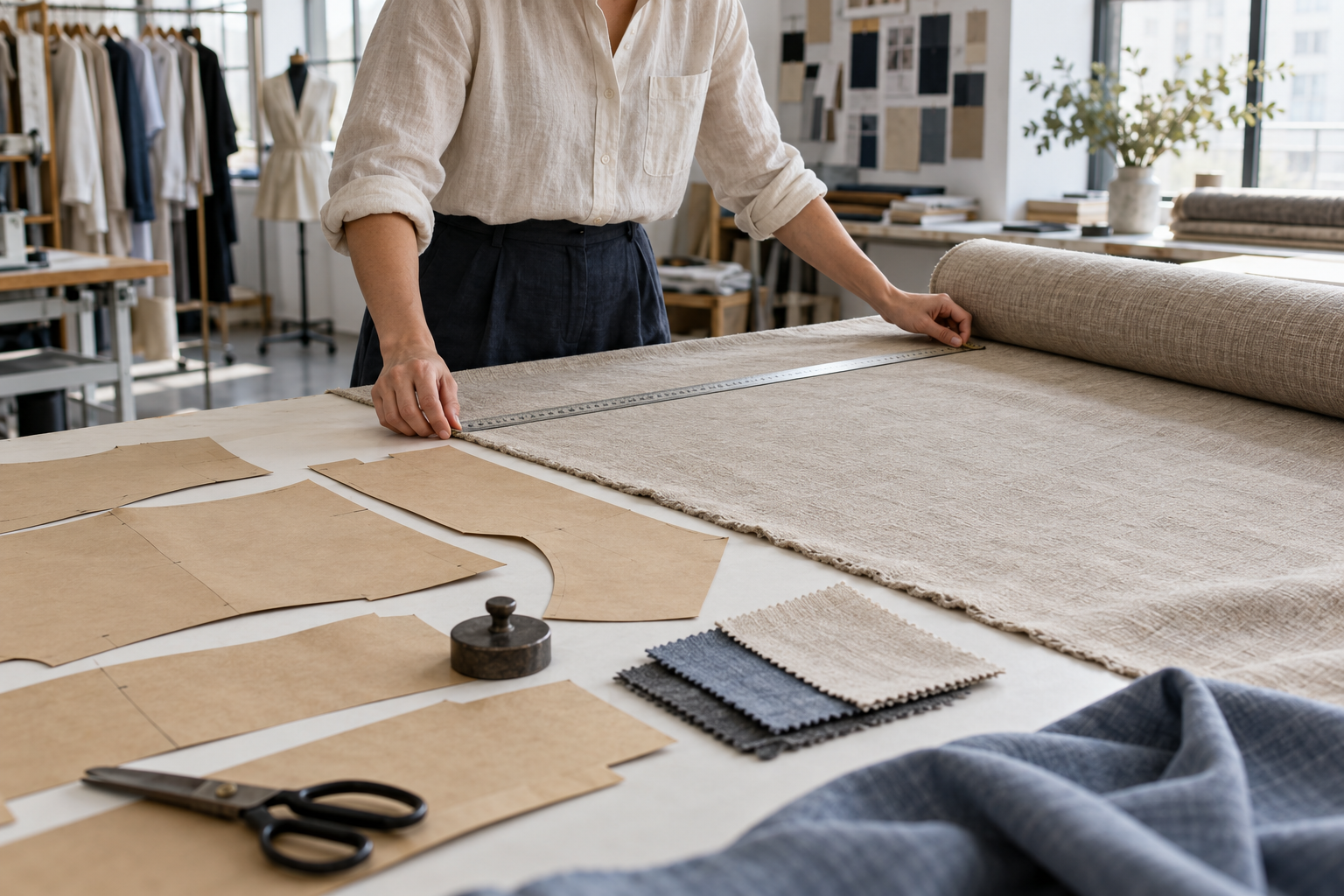
Fabric and trims can affect the feasibility of a style as much as sewing capability. Ask whether proposed materials are supplied by you, selected from available options, or developed to a specification. Clarify how swatches, color standards, lab dips, strike-offs, and trim samples will be reviewed before bulk purchasing.
A capable manufacturing partner should distinguish between a fabric suggestion and an approved production material. Ask what information will be recorded for each approved item: composition, weight, color reference, supplier reference when appropriate, and any relevant test or finish requirement. For private-label projects, include labels, care instructions, hangtags, bags, and carton marks in the same review. Small components can create avoidable variation if they are not documented.
3. Examine the sampling and approval path
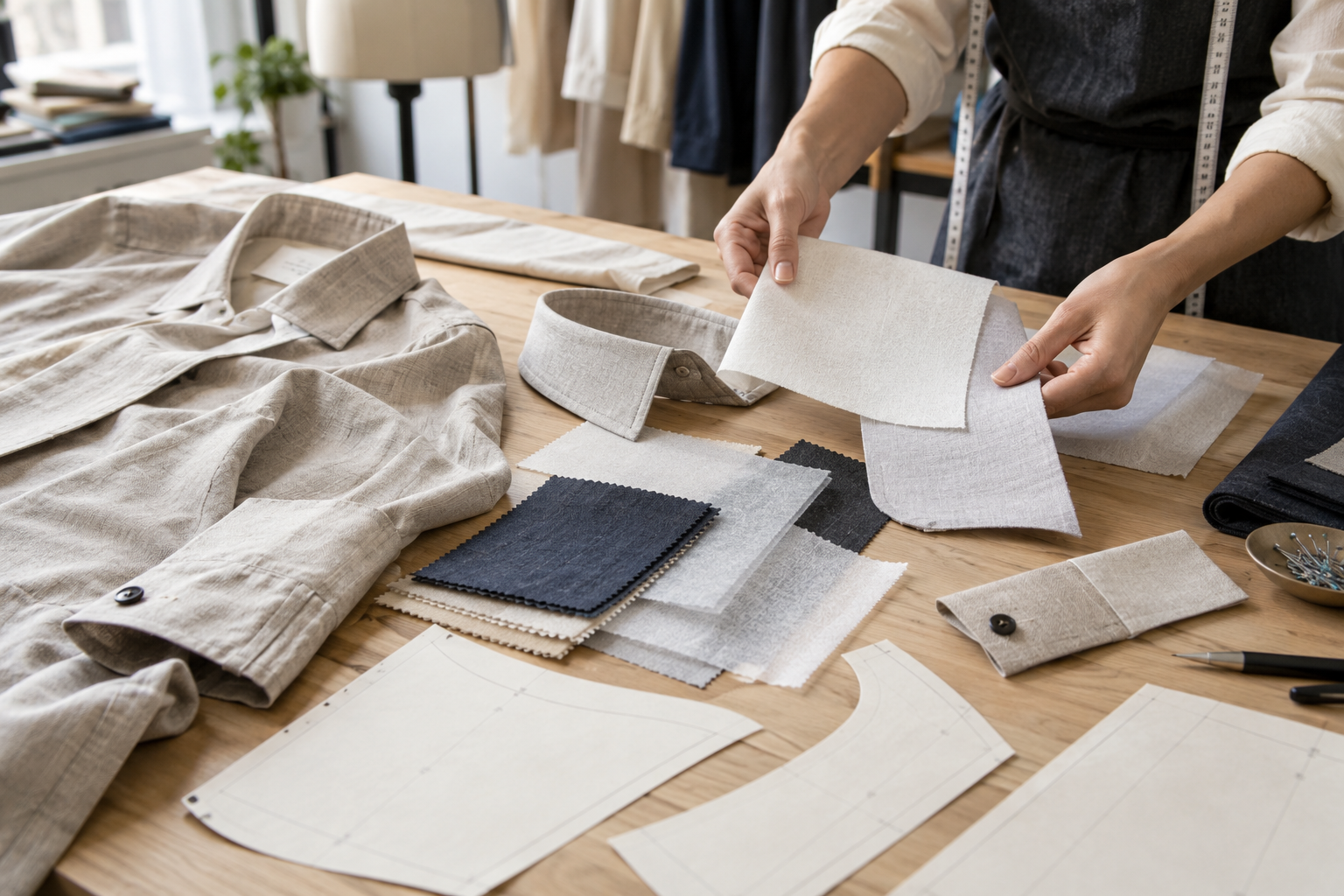
Sampling is one of the most useful parts of a manufacturer audit because it reveals how the team interprets product information. Confirm the proposed sample stages for your style and what each stage is intended to prove. A development sample may confirm design direction, while a fit sample focuses on measurements and balance; a pre-production sample should reflect the approved bulk specification as closely as possible.
Ask how revisions are recorded after each review. Strong processes connect annotated photos, measurement comments, updated patterns, material changes, and artwork revisions to a current version. Your own apparel tech pack is the best place to consolidate those decisions. When feedback lives only in scattered messages, it becomes harder for either side to confirm what is approved.
Questions to ask about samples
- Which materials, trims, and decoration methods will be used for each sample?
- How are fit comments, pattern changes, and measurement updates tracked?
- Who confirms that a revision has been incorporated?
- What must be approved before materials are committed for bulk production?
- How will the approved sample be referenced during production?
4. Review the quality-control approach
Do not rely on a statement that quality is “checked.” Ask how quality expectations are translated into working checks for your order. The answer should cover fabric and trim review, measurements, construction, appearance, workmanship, and packing. It should also identify when issues are raised and how agreed corrections are communicated.
Build your review around observable criteria. For example, define the points of measure, tolerances, seam appearance, placement rules, color references, labeling, and packing configuration that matter to your brand. A garment quality-control checklist can help organize these requirements before production starts.
It is also reasonable to ask how the manufacturer handles nonconforming pieces, whether inspection findings are documented, and how buyer approval is requested when a deviation needs a decision. The right response is not a promise of perfection; it is a clear process for identifying, recording, and resolving issues against an agreed standard.
5. Assess communication and document control
Communication is a production control, not an administrative extra. During the audit, notice whether questions are answered directly, whether changes are summarized, and whether the team distinguishes assumptions from confirmed requirements. A manufacturer should be able to name the primary contact for development and explain how updates move between merchandising, pattern, sourcing, production, and quality teams.
Agree early on how you will manage versions of the tech pack, artwork, size chart, color approvals, purchase order, and sample comments. Use dated files and clear version names. After important calls, send a short written recap of the decision, owner, and next approval. This simple habit reduces the risk that an outdated file returns to the production floor.
6. Use the audit findings to make a grounded decision
After the review, compare manufacturers against the same criteria rather than relying on general impressions. A concise scorecard can include product capability, sample communication, material transparency, quality controls, documentation, responsiveness, and fit with your order complexity. Note both confirmed strengths and items that still need evidence.
If a supplier is promising but some information is incomplete, convert the gaps into next steps: request a material swatch, revise the brief, approve a sample stage, clarify the inspection standard, or ask for a written summary of the production flow. That approach is more useful than forcing an early yes-or-no decision.
A practical pre-order audit checklist
- The manufacturer has reviewed the actual style, not only a broad category.
- Fabric, trim, decoration, and packaging responsibilities are clear.
- Sample stages and approval owners are defined.
- Measurements, tolerances, construction, and appearance standards are documented.
- The quality-control process is explained in relation to your product.
- Key contacts, file versions, and communication routines are agreed.
- Any open issue has an owner and a next action before bulk commitment.
FAQ
Is a factory visit required for every clothing manufacturer audit?
Not always. A remote audit can begin with a detailed product brief, video discussion, document review, and sample evaluation. For higher-risk products or larger commitments, an on-site visit or independent inspection may provide additional evidence. Choose the level of review that matches the product complexity and decision risk.
What should a startup clothing brand focus on first?
Start with product fit, sampling clarity, and communication. Confirm that the manufacturer understands your fabric, construction, and fit requirements, then use a sample and documented feedback to test the working process before making broader commitments.
How is an audit different from a final inspection?
An audit evaluates whether the manufacturer’s capability and process fit your needs before or during supplier selection. A final inspection reviews finished goods against the approved standard near the end of production. Both can be useful, but they answer different questions.
What if the manufacturer cannot answer every question immediately?
That can be acceptable when the team identifies the missing information, explains how it will be verified, and follows up with a documented answer. Treat unresolved items as conditions to close before you approve materials or bulk production.
Move from audit to a production-ready conversation
A clothing manufacturer audit is most effective when it produces a shared plan: what will be sampled, what must be approved, how changes are controlled, and who owns each next step. It helps brands choose partners with more than a price comparison and gives manufacturers a clearer foundation for making the intended product.
If you are preparing a custom apparel project, contact Huilin Fashion with your product brief, technical information, and current development questions. A focused discussion can help identify the information needed for sampling and a well-documented production plan.