Apparel Costing Sheet Guide for Custom Clothing Manufacturing
An apparel costing sheet helps a clothing brand understand what goes into a custom manufacturing quote before sampling or bulk production begins. For buyers, it is not just an accounting document. It is a practical communication tool that connects design decisions, fabric choices, trims, construction, packaging, order quantities, and approval status.
When a costing sheet is organized, both the brand and the manufacturer can discuss the same product details with fewer assumptions. This is especially important for startup brands, private label collections, and low MOQ clothing production, where small changes can affect the structure of a quote.
What Is an Apparel Costing Sheet?
An apparel costing sheet is a structured breakdown of the inputs and production factors used to estimate the cost of making a garment. It may include the style name, size range, fabric details, trims, labels, artwork, construction notes, packing method, order quantity, and any assumptions used during quoting.
For a clothing manufacturer, the costing sheet helps translate the brand’s product information into sourcing and production requirements. For the buyer, it helps identify which details are confirmed and which details still need approval. The goal is not to make the brand responsible for every factory calculation. The goal is to make the quote discussion more accurate, transparent, and actionable.
A costing sheet works best when it is connected to the wider product file. If the design, measurements, materials, and artwork are scattered across messages, the quote may rely on assumptions. Before requesting a formal quote, brands should prepare a clear apparel tech pack for custom clothing production so the costing sheet can reflect the actual garment instead of a rough idea.
Why Costing Accuracy Matters Before Sampling
Many brands ask for a price too early, before the garment is defined enough to quote responsibly. A hoodie with basic stitching, standard rib, no decoration, and simple packaging is different from a hoodie with custom dyeing, embroidery, branded trims, multiple labels, and special packing. Both may be called a hoodie, but they are not the same production project.
Early price discussions can still be useful, but the buyer should understand whether the quote is only directional or based on confirmed specifications. If the product details change after sampling, the quote may need to be reviewed again. That does not mean the original quote was wrong. It means the product became more specific.
A costing sheet helps prevent misunderstandings by showing the variables behind the quote, so the brand can make better decisions before committing to samples or bulk production.
Core Sections to Include in an Apparel Costing Sheet
A useful apparel costing sheet does not need to be complicated, but it should cover the details that affect sourcing, sampling, and production planning.
Style and Product Information
Start with the basic product identity: style name, style number if available, garment category, target season, fit direction, size range, colorways, and intended order quantity. Include whether the quote is for sampling, a first production run, or a repeat order.
For startup clothing brands, it is useful to separate confirmed styles from exploratory ideas. A manufacturer can respond more effectively when the quote request focuses on specific garments instead of a broad collection concept with many unresolved variations.
Main Fabric and Consumption Assumptions
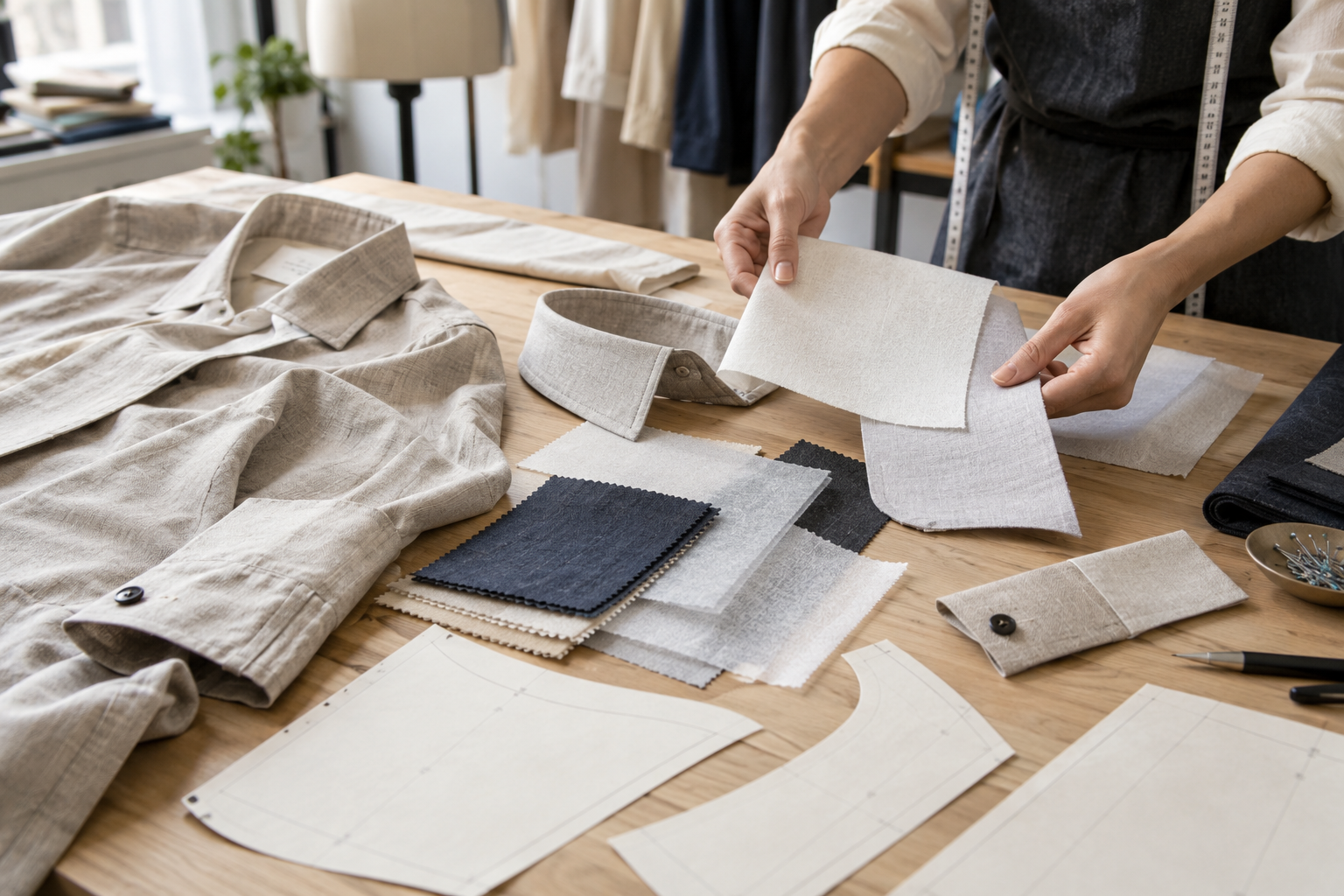
Fabric is often one of the most important cost drivers in apparel production. The costing sheet should identify the main fabric, contrast fabric, lining, rib, pocketing, interlining, mesh, or other textile components used in the garment. Include fiber direction, weight target, hand feel, stretch expectation, finish, color reference, and whether the fabric is confirmed or still under development.
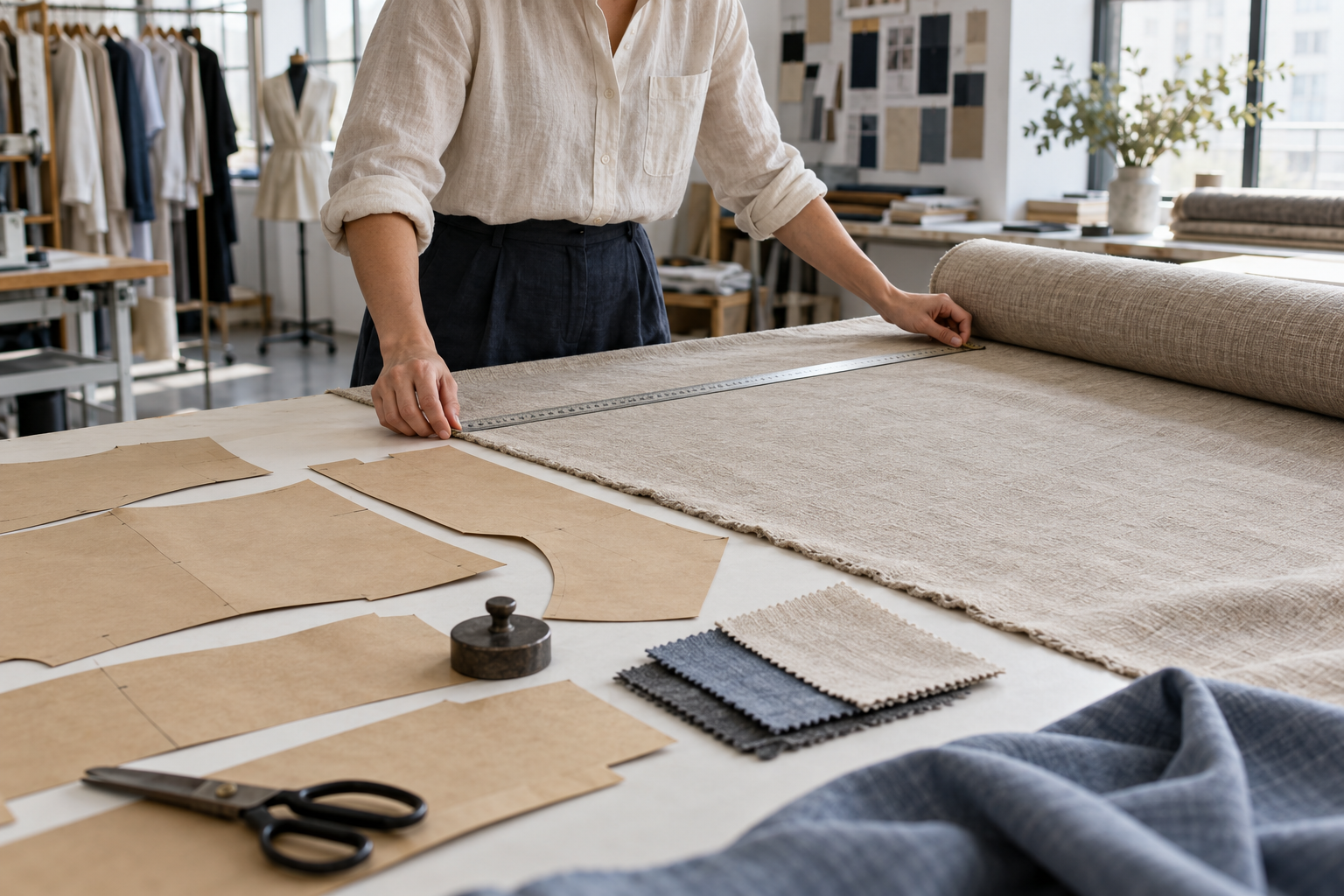
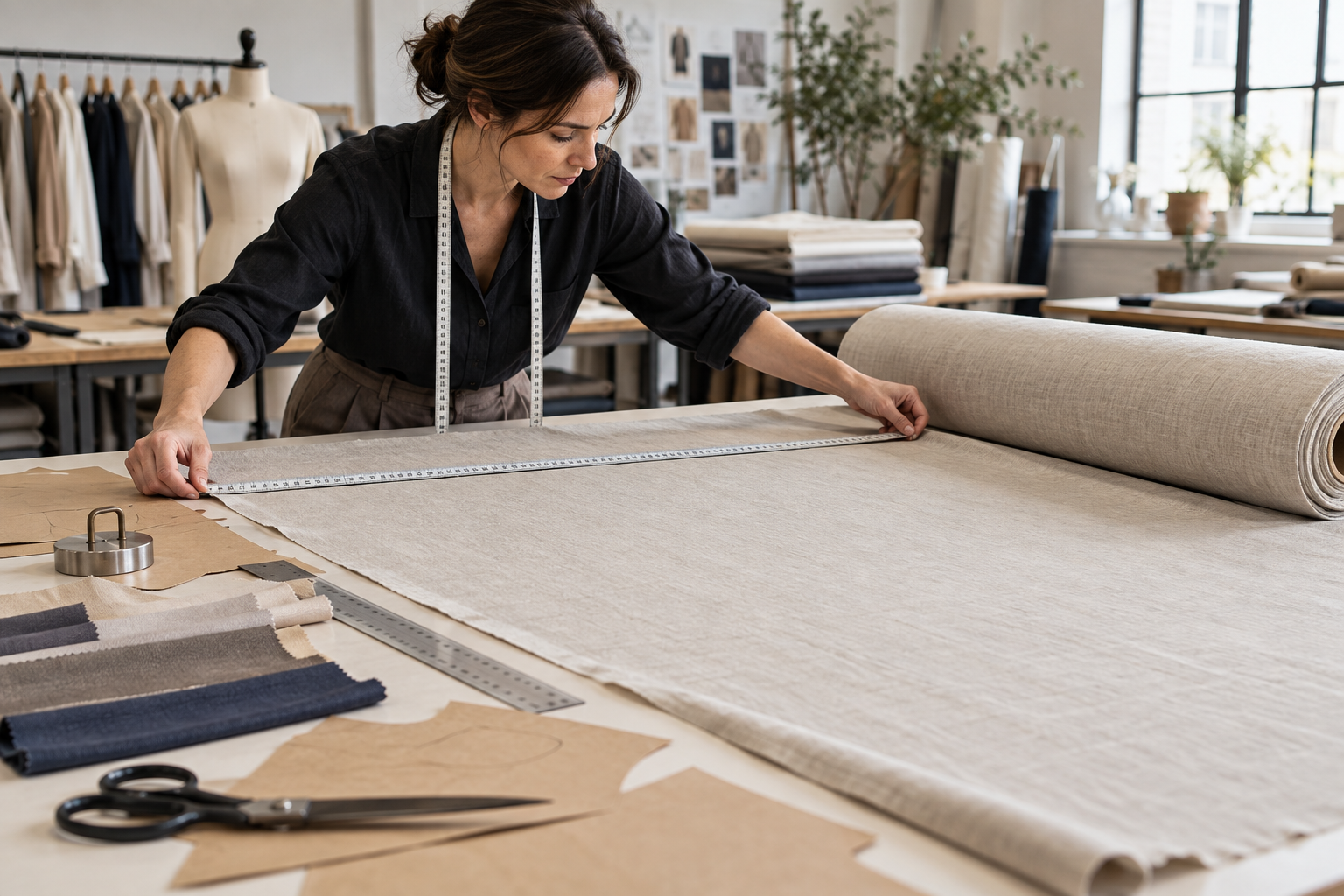
Fabric consumption depends on garment design, marker planning, width, size range, shrinkage allowance, pattern efficiency, and cutting waste. Buyers do not need to calculate every technical detail, but they should provide accurate measurements, size breakdowns, and fabric requirements where possible.
Trims, Labels, and Packaging
Trims can look small on a design board but still affect sourcing and production. Buttons, zippers, drawcords, elastic, eyelets, snaps, buckles, tapes, patches, labels, hangtags, stickers, poly bags, cartons, and special packing materials should be listed clearly. Each item should include size, color, material direction, placement, artwork status, and approval status where relevant.
A strong costing sheet is usually supported by an organized apparel bill of materials. The BOM gives the sourcing and production team a detailed component list, while the costing sheet uses those component decisions to support quote review.
Artwork and Decoration
Print, embroidery, heat transfer, applique, wash effects, and other decorative processes should be described before quoting whenever possible. Include artwork dimensions, placement, number of colors, technique direction, fabric compatibility concerns, and whether final files are ready. A placeholder logo in a mockup is not enough for accurate production planning.
If the decoration is still under review, the costing sheet should mark it as pending. This prevents a temporary assumption from being treated as final. It also helps the brand understand why a quote may change after artwork, technique, or placement is confirmed.
Construction and Quality Requirements
Construction details influence time, skill requirements, machine setup, and quality inspection. A basic T-shirt, lined jacket, structured pant, and technical outerwear style require different levels of production attention. Note special seams, pocket construction, reinforcement, topstitching, binding, lining, quilting, wash treatment, pressing, or finishing requirements.
Quality expectations should be practical and specific. Instead of saying “high quality,” describe the checkpoints that matter: measurement tolerance direction, seam appearance, fabric hand feel, print durability expectation, label placement, packing presentation, and sample approval reference. These details help the manufacturer understand what the brand will review later.
Order Quantity, Size Breakdown, and Colorways
Order quantity is not only a total number. The manufacturer also needs to understand how that quantity is split across sizes and colors. A single color with a simple size run is different from several colorways with uneven size distribution. Small batches can be workable, but the brand should keep the product scope disciplined so the order remains manageable.
If your brand is planning a smaller first collection, review Huilin Fashion’s low MOQ clothing manufacturer page to understand how small-batch production conversations are positioned. For quote preparation, the key is to make quantity, size, and color information clear before asking the manufacturer to estimate production.
How Brands Should Review a Manufacturer Quote
A quote should be reviewed against the assumptions behind it. Ask whether the quoted garment uses the same fabric, trims, decoration, packaging, size range, and colorways you expect. If any detail is unclear, confirm it before comparing quotes from different suppliers.
Do not compare two quotes only by the final number if the product assumptions are different. One quote may include custom packaging while another assumes simple packing. One may be based on a confirmed fabric while another uses a rough substitute. Without the assumptions, the comparison can be misleading.
It is also important to separate design changes from quote corrections. If the brand changes fabric weight, adds embroidery, expands the size range, or updates packaging after the first quote, the costing sheet should be updated. A clean revision history helps both sides know which version is being discussed.
Common Costing Sheet Mistakes to Avoid
One common mistake is requesting a final quote from mood boards alone. Inspiration images can explain style direction, but they do not define fabric, measurements, trims, construction, labels, decoration, or packing. Use references as supporting material, not as the full production brief.
Another mistake is hiding uncertainty. If a fabric, trim, or decoration is not final, mark it as open. Manufacturers can often guide the next step more effectively when they know which decisions are still flexible. Unclear information is more risky than honest uncertainty.
Brands should also avoid treating packaging and labeling as last-minute details. Private label items affect presentation and production coordination, so they belong in the costing discussion early. Even if final artwork is not ready, list the intended items and approval status.
Finally, avoid changing several variables at once without updating the costing sheet. Keep each revision organized so the quote, sample, and final approval package stay aligned.
A Practical Apparel Costing Sheet Checklist
- Style name, garment category, and style number if available
- Target fit, size range, size breakdown, and colorways
- Main fabric, contrast fabric, lining, rib, and other textile components
- Fabric weight, hand feel, stretch direction, finish, and color references
- Trims, labels, hangtags, packaging, and carton requirements
- Artwork files, decoration technique, placement, and approval status
- Construction details, special seams, finishing, and quality checkpoints
- Order quantity assumptions and whether the quote is for sampling or bulk production
- Open decisions, substitute materials, and any quote assumptions that need confirmation
FAQ
Is an apparel costing sheet the same as a tech pack?
No. A tech pack describes the garment in detail, including design, measurements, construction, materials, artwork, and labels. A costing sheet focuses on the information used to estimate production cost. The two documents should support each other.
Can I request a quote before all details are final?
Yes, but you should treat the quote as preliminary if key details are still open. Make it clear which fabrics, trims, artwork, packaging, and quantities are confirmed and which are assumptions. This helps prevent confusion when the quote is updated later.
What information affects custom clothing manufacturing cost the most?
Important factors often include fabric choice, garment complexity, trims, decoration, packaging, order quantity, size range, colorways, finishing requirements, and quality expectations. The exact impact depends on the specific style and production setup.
How can startup brands make quote requests easier for a manufacturer?
Send a focused product brief, a clear tech pack if available, fabric and trim direction, artwork status, size range, target quantities, and a list of open decisions. Avoid sending only inspiration images or scattered messages.
Final Thoughts
An apparel costing sheet helps clothing brands move from creative idea to production conversation with more structure. It does not replace sampling, product development, or manufacturer guidance, but it gives both sides a clearer basis for discussing fabric, trims, decoration, construction, quantity, and packaging.
If your brand is preparing a custom apparel project and wants to organize the information before requesting a quote, you can contact Huilin Fashion with your product details, tech pack, fabric direction, and target order plan. A clearer brief makes it easier to discuss the next step in sampling or production.