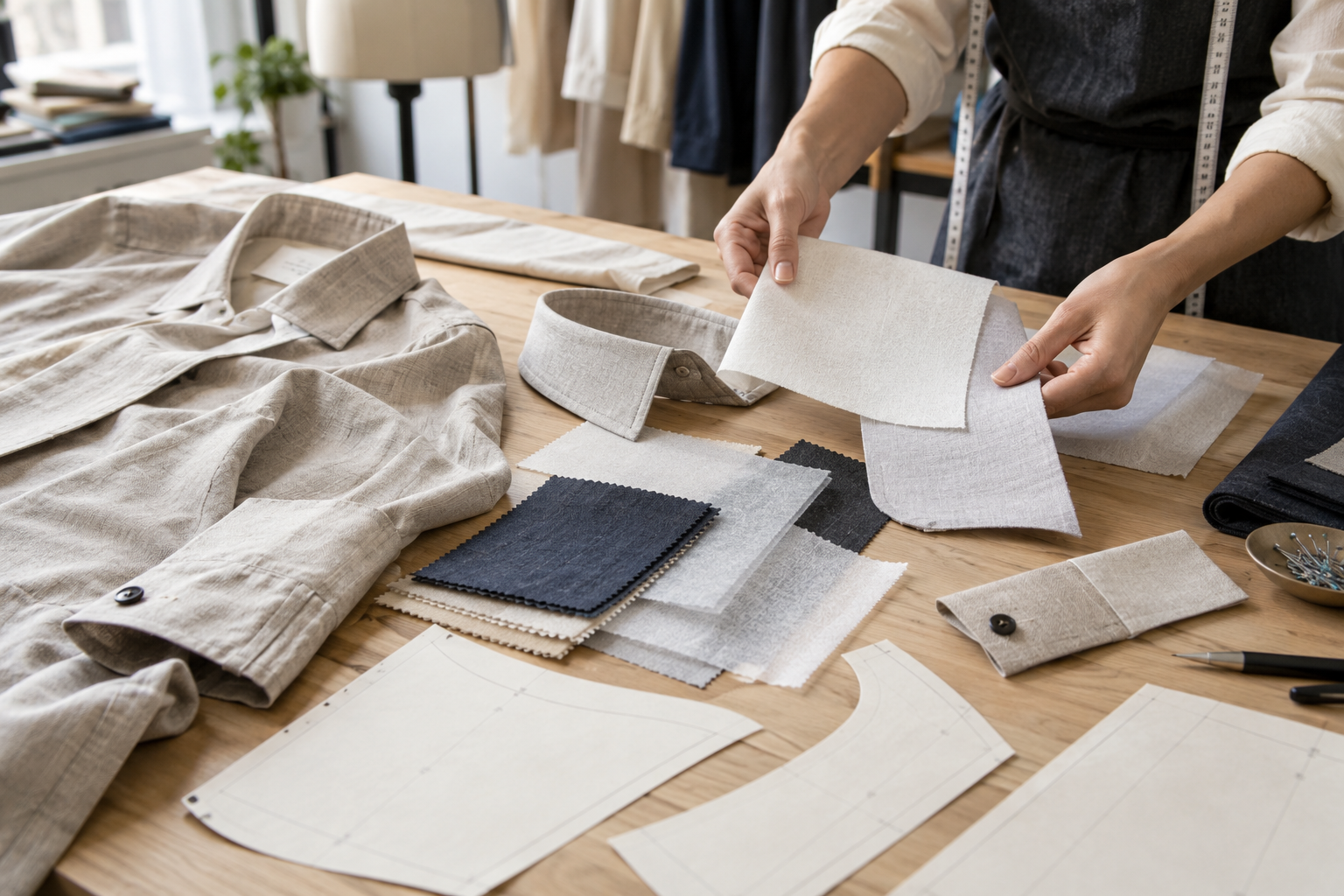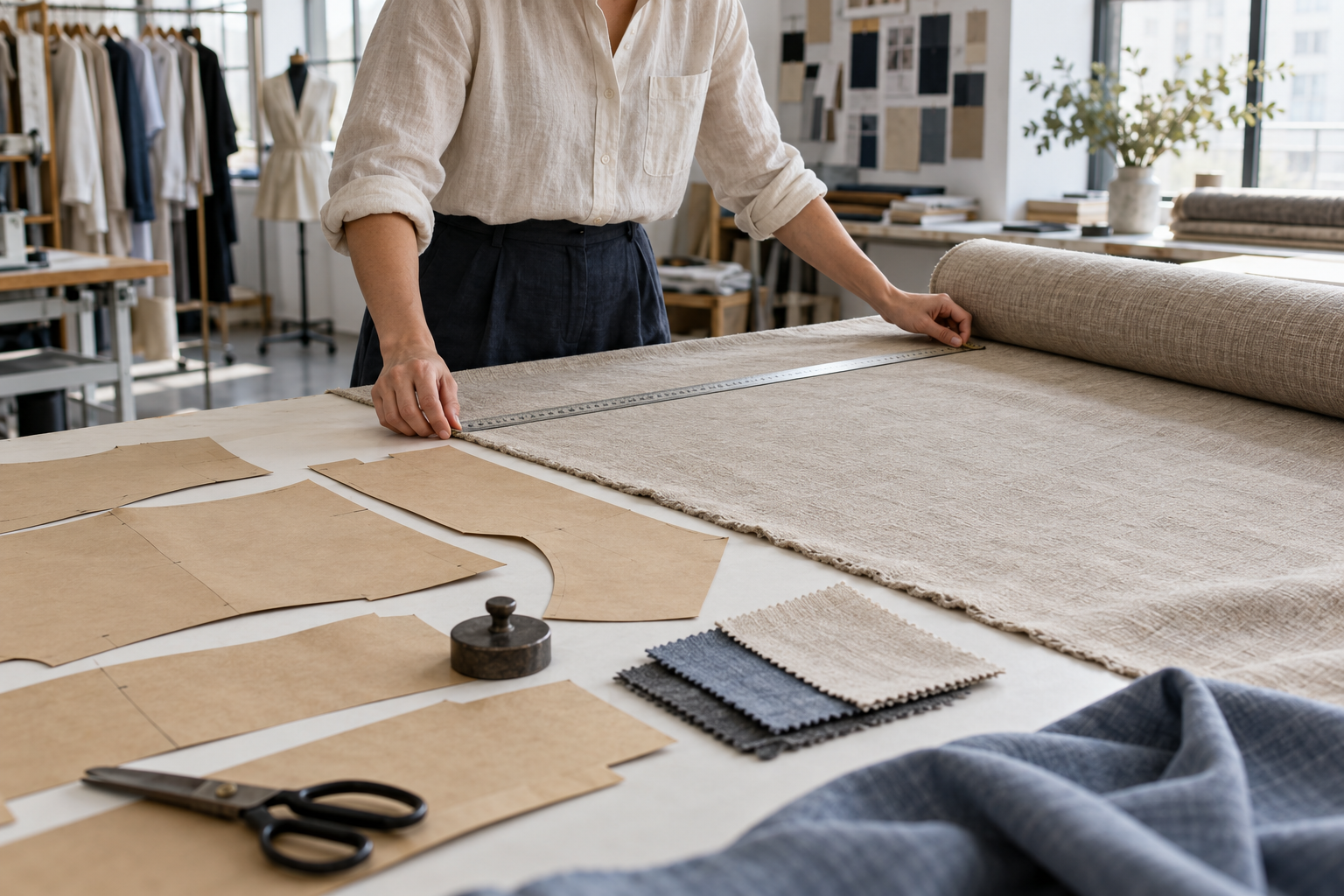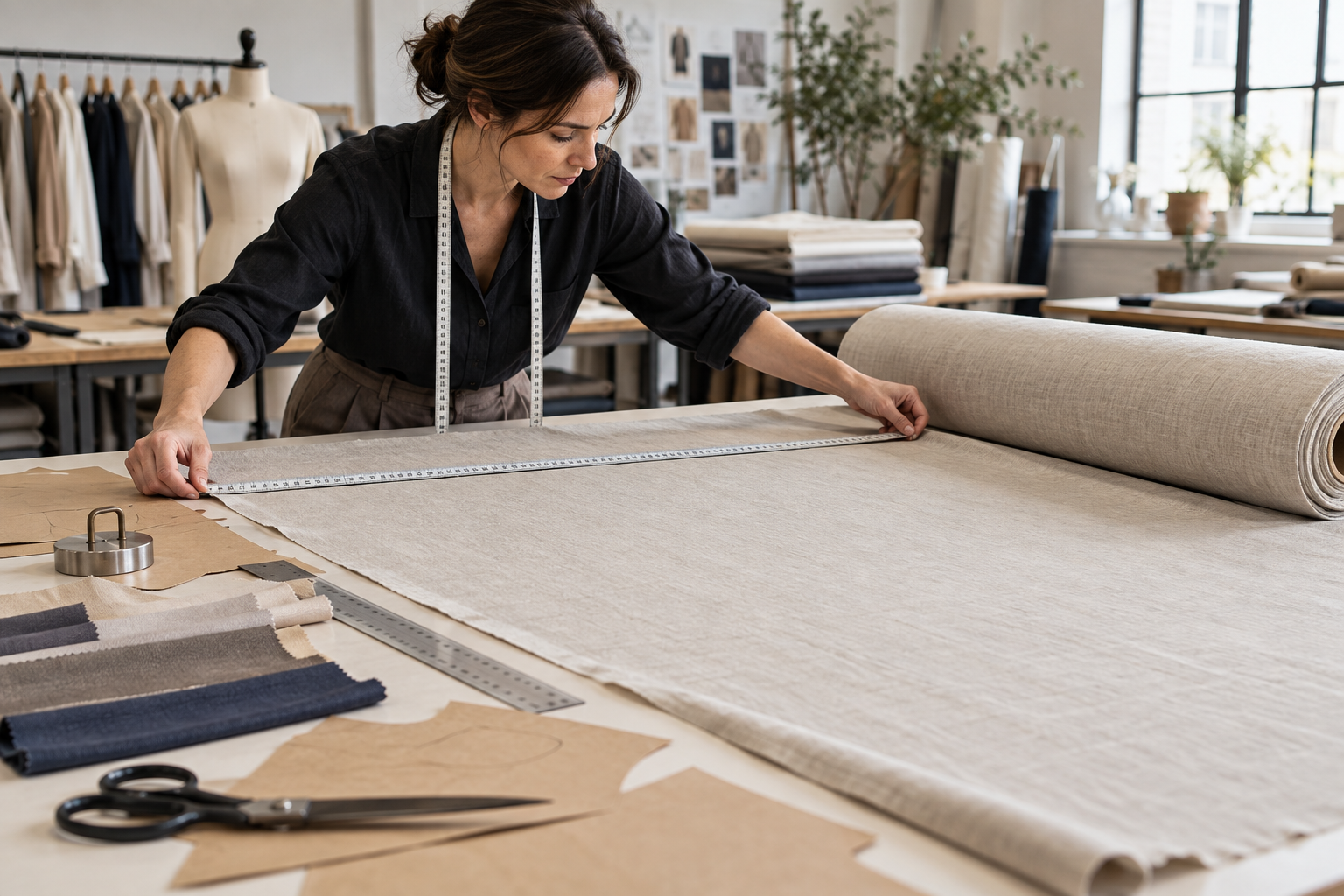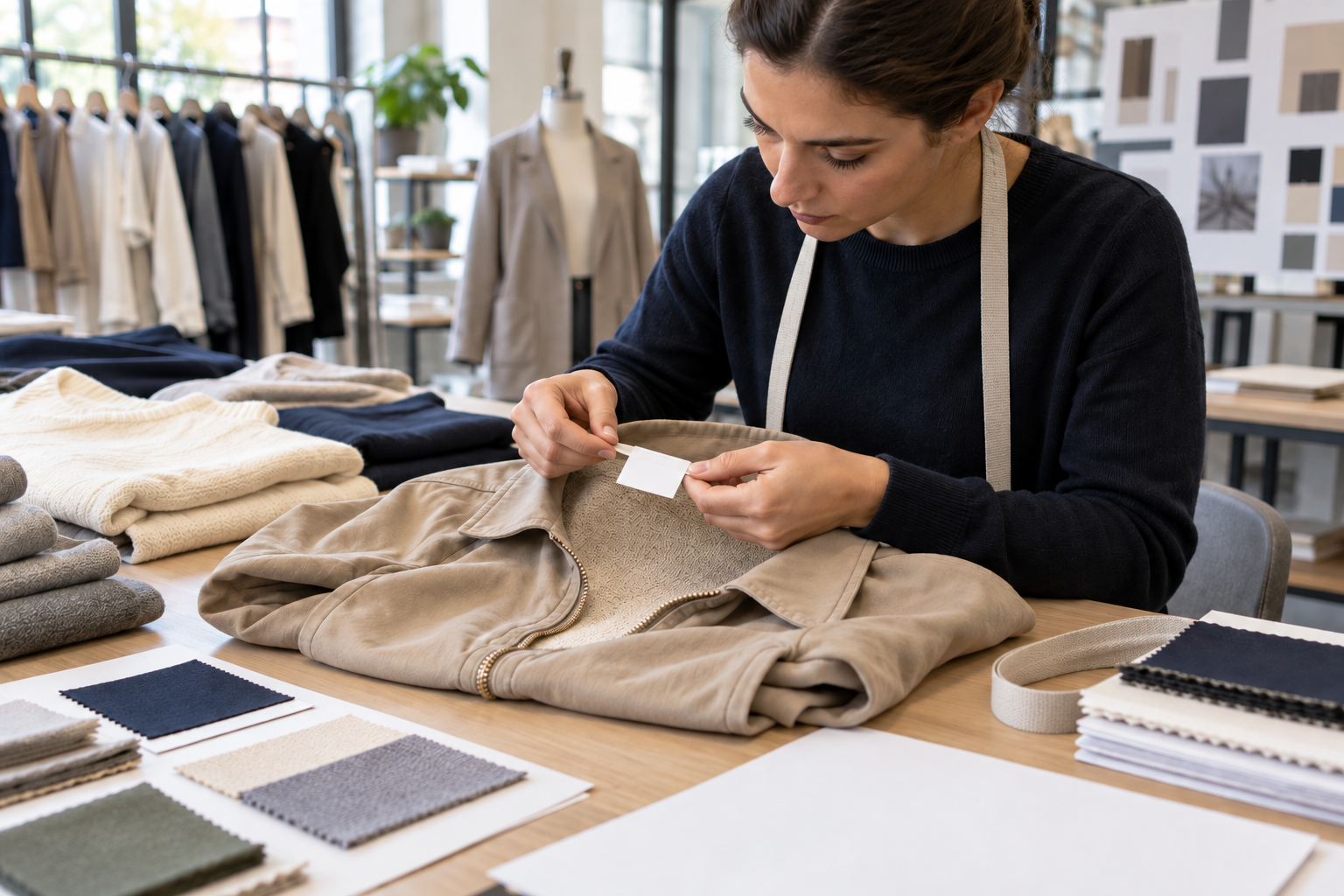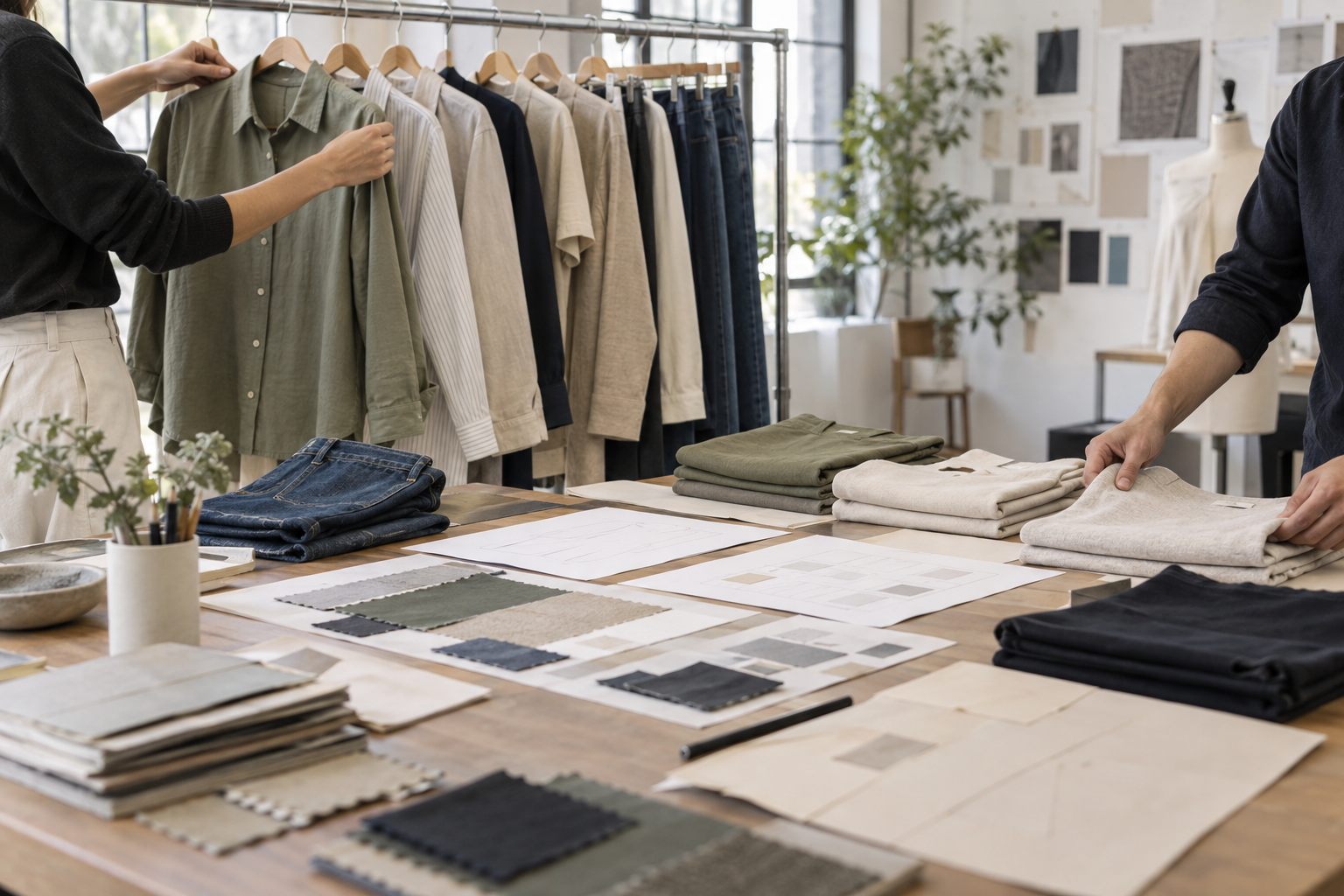
The process of making a garment is a complex, multi-step process involving creativity and technical knowledge. In general, it consists of the following main stages:
Design
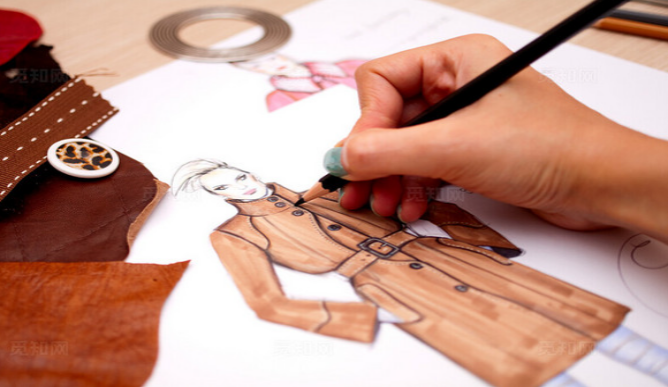
The process begins with design. Clothing designers will present their designs in the form of schematic drawings that tell the story of their design concept. Often a Tech Pack will be created, and the design process will include a number of design-related information, including design sketches, reference style details, sizing suggestions, workmanship, fabric choices, and other relevant information, which can be designed as a fashionable dress or a formal suit, depending on what kind of style your brand is
Pattern making.
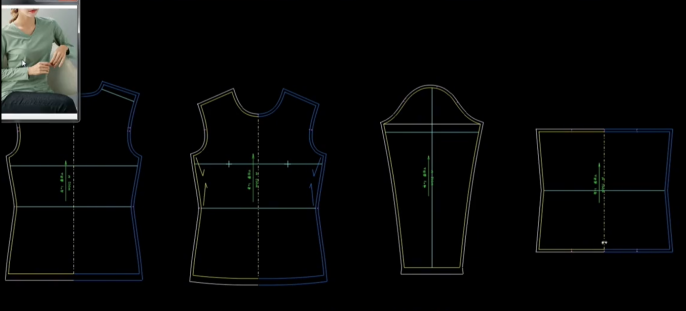
Once the clothing designer has finalized the design, he or she begins to make the pattern. A pattern is a template from which garment parts are transferred to fabric before cutting and assembly. Patterns can be made by hand, which usually requires very experienced workers to draw them by hand, which often requires a lot of effort and time. Because of this, machines have replaced manual labor, and we can use computer-aided design (CAD) programs to make them digitally, which greatly speeds up the cycle of pattern making, and is therefore a very important step in making sure that the garment is exactly as the designer intended.
Sourcing materials
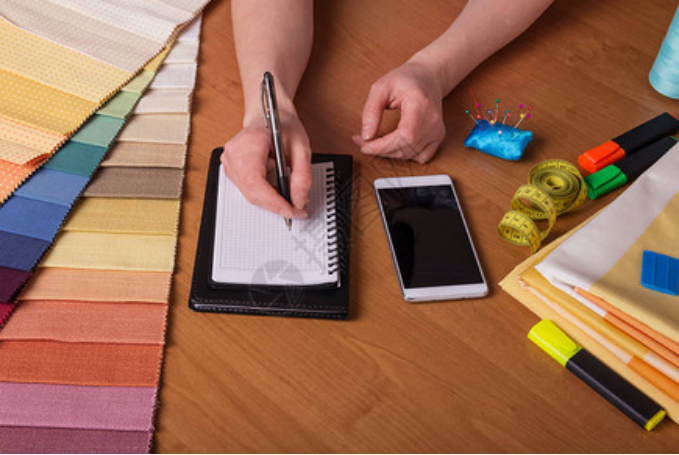
The next step is to purchase the materials needed to make the garment. This includes fabrics, threads, buttons, zippers and other accessories. Different fabric choices will not only affect the look and feel of the garment, cotton fabrics will be more skin-friendly, sweat-absorbing and breathable, polyester fabrics will be cheaper, but the comfort is not as strong as cotton fabrics, different fabrics made out of clothes, the style will be very different, so the choice of fabric is also an important part of the production of clothing!
Cutting fabric
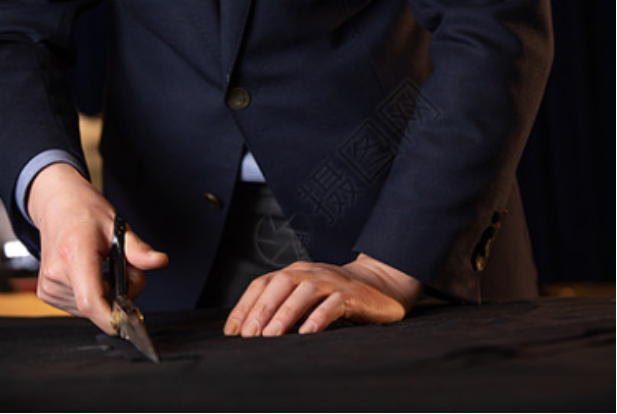
The fabric is then unfolded and cut using a pattern printed on a DTF printer. This can be done by hand with scissors on a laying spcflooring and is often done by hand for private orders, but in mass production, automated cutting machines are used more efficiently. The accuracy of this step is critical to the fit and appearance of the garment.
Sewing
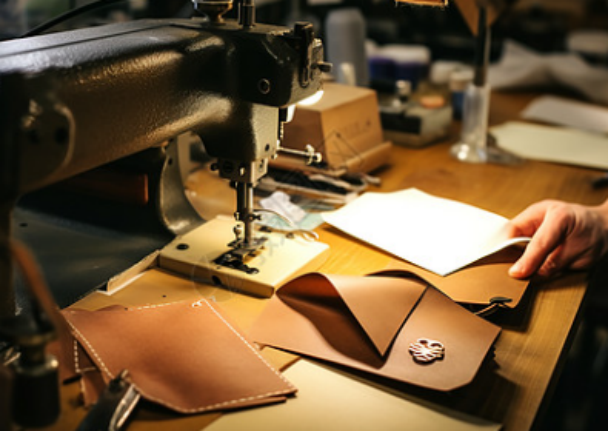
The cut pieces are sewn together to form the garment. Conventional sewing machines can be used or, in larger production facilities, automated sewing systems can be utilized. The complexity of this process varies greatly depending on the construction of the garment.
Finishing
After sewing, the garment undergoes a variety of finishing processes, including pressing, hemming, and finishing touches such as buttons and fasteners. Quality control also plays an important role in this process to ensure that the garment meets the required standards.
Packaging and distribution
Finally, the finished product is labeled, marked and packaged for distribution. Depending on the brand’s business model, these clothes may be shipped from the factory to retail stores, sold online, or distributed in other ways.
To summarize
The apparel manufacturing process is complex and requires a combination of artistic vision and precise technical processes. While the steps outlined above are only a general overview, specific methods vary greatly depending on the type of garment being produced, the scale of production, and the preferences and capabilities of the garment manufacturer. Advances in technology such as digital printing and automated sewing continue to push the industry forward, increasing productivity and personalization.