Custom Sweatshirt Manufacturing: A Development Guide for Apparel Brands
A sweatshirt can look straightforward on a mood board, yet it asks a brand to make several connected product decisions before bulk production. The fabric weight affects drape and warmth. The rib affects recovery at the neck, cuff, and hem. A relaxed fit needs more than simply adding width to a standard block, and a graphic technique has to suit both the fabric and the intended use.
For apparel buyers, custom sweatshirt manufacturing works best as a documented development process rather than a single garment order. This guide explains how to turn a concept into a clear, approval-ready sweatshirt specification without assuming a particular factory capability, price, timing, or outcome.
Start with the sweatshirt’s job in the collection
Before choosing a fleece or requesting a quote, describe what the style is meant to do. A lightweight crewneck for transitional weather, an oversized brushed-fleece layer, and a structured quarter-zip each need different material, fit, and construction choices. State the wearer, use case, climate, styling intent, and whether the item is a core repeat style or a limited seasonal piece.
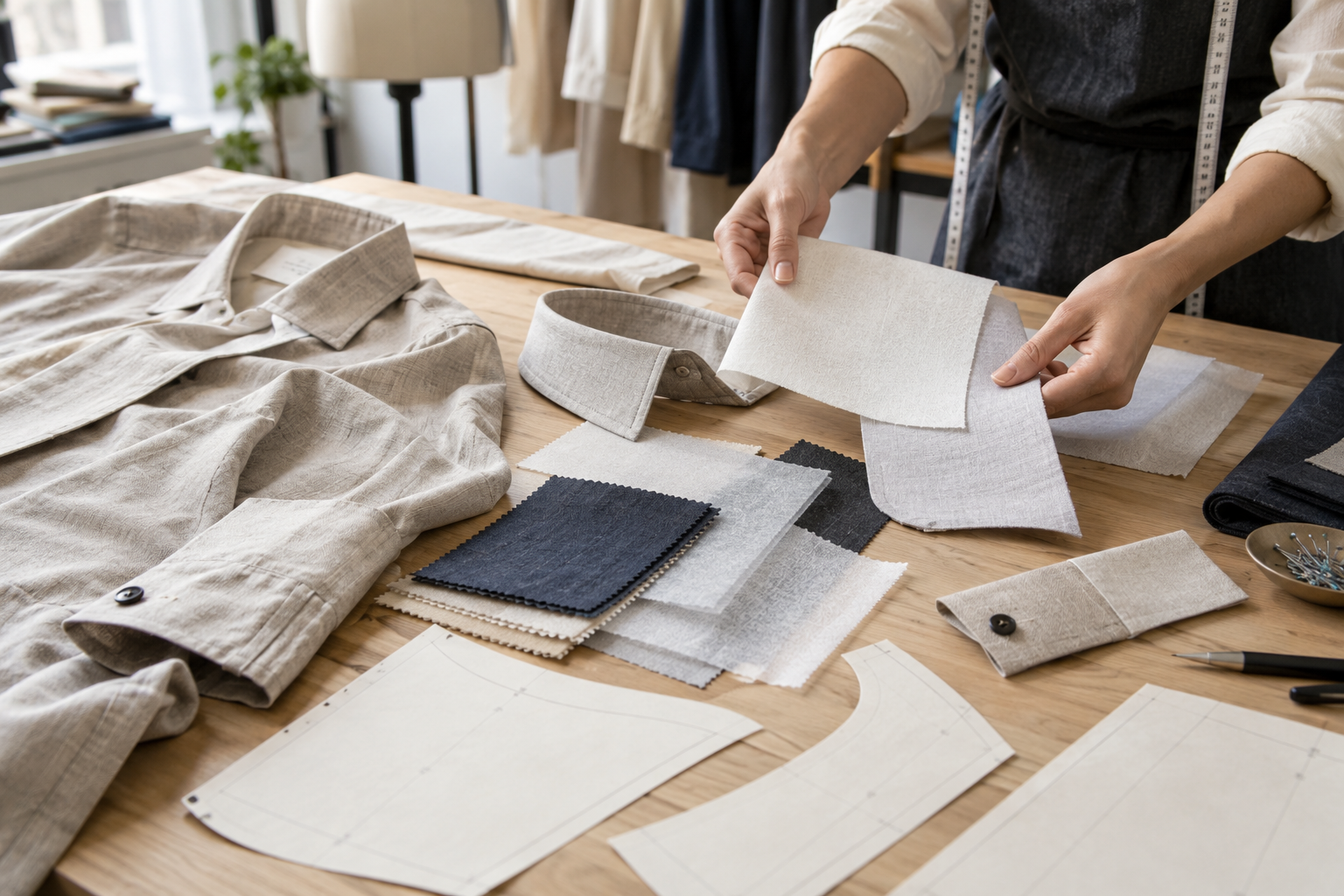
Then settle the silhouette. Define whether the body is regular, boxy, relaxed, or oversized; whether the shoulder is set-in, dropped, or raglan; and where the body and sleeve should finish. Reference images are useful for visual direction, but they do not replace measurable instructions. A clear garment measurement spec sheet converts the intended fit into points of measure and tolerances that can be reviewed on a sample.
Choose fabric by performance as well as appearance
Sweatshirt fabrics are often evaluated first by hand feel and color, but the manufacturing brief should also cover weight, stretch, recovery, surface character, inside finish, shrinkage risk, and care expectations. Brushed fleece, French terry, and unbrushed loopback can create very different products even when their fiber blends appear similar on paper.
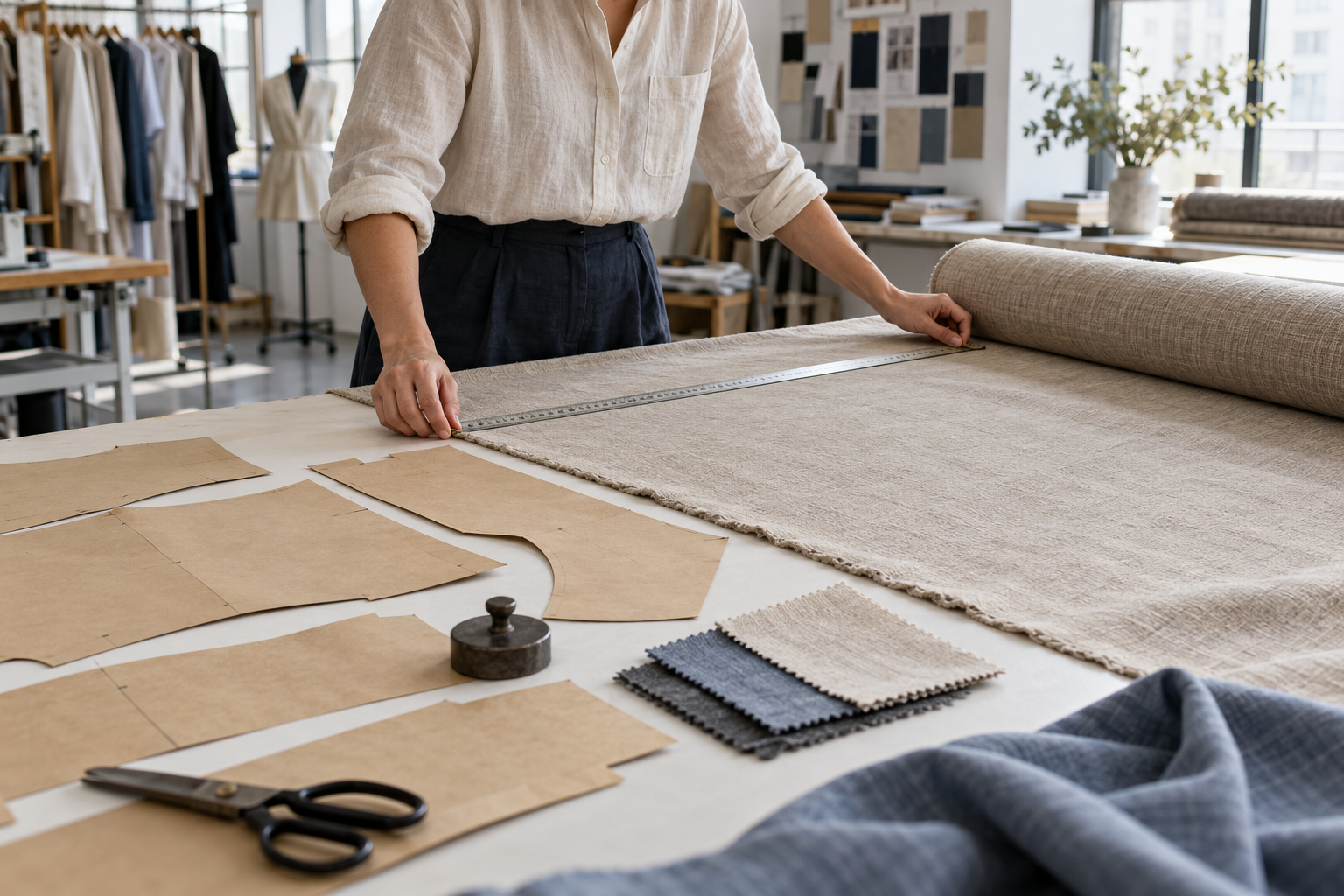
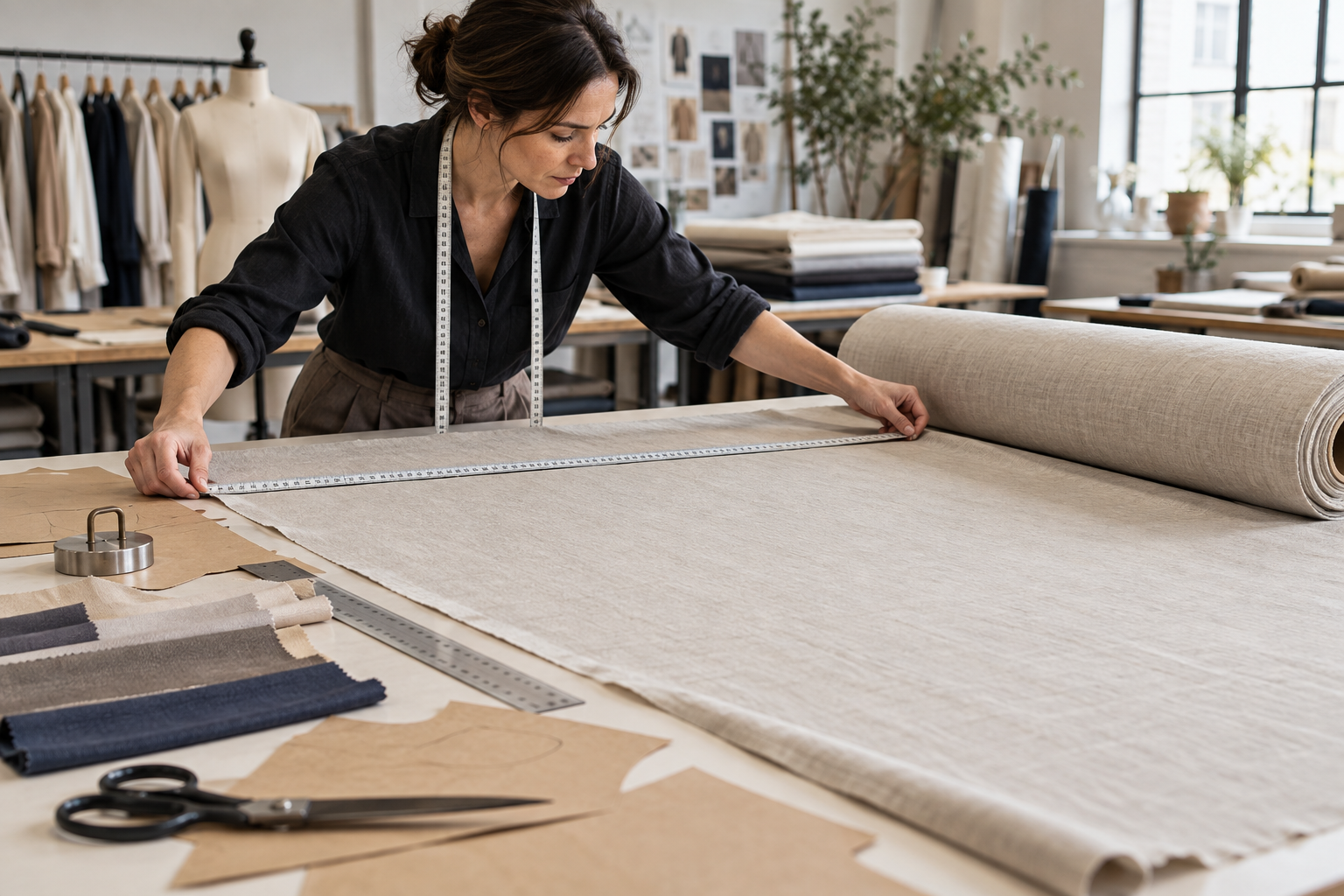
Ask for the information you need to make a considered selection: fiber content, construction, nominal weight, usable width, color approach, and any desired finish. If the sweatshirt must hold a clean oversized shape, note that requirement. If soft inner comfort or a smoother print surface matters more, say so. The fabric should support the intended garment rather than be selected only because a swatch photograph looks appealing. For a wider material-selection framework, use this fabric selection guide for private label clothing.
Specify rib as a component, not an afterthought
The neck rib, cuff rib, and hem rib influence comfort, shape retention, and the visual balance of the style. Record the rib composition or construction when known, target color, finished heights, and whether the rib should match the body exactly or provide a deliberate contrast. A narrow, firm neck rib can behave very differently from a soft, wide rib at the hem. Reviewing rib recovery on the sample is especially important for styles intended for repeated wear.
Build the construction brief around the design
A useful sweatshirt brief identifies the details that make the style yours. These may include neck shape and depth, shoulder construction, coverstitch placement, seam allowances, pocket type, hood or collar details, zipper specification, drawcord treatment, side panels, and label positions. For a crewneck, the neckline and rib attachment may deserve close attention. For a half-zip or quarter-zip, the collar, zipper length, zipper tape color, and top-stop placement should be documented.
Do not rely on generic phrases such as “premium finish” or “high quality.” Describe the visible and functional result instead: for example, the desired topstitch location, the pocket opening shape, or whether the interior seams should be covered. A focused apparel tech pack gives the development team a single reference for these instructions, drawings, measurements, materials, trims, labels, and artwork.
Plan decoration early enough to protect the garment
Custom sweatshirts often carry a front, back, sleeve, or chest decoration, so artwork needs to be resolved alongside fabric and pattern decisions. Screen print, embroidery, appliqué, patch applications, transfers, and other methods each place different demands on the ground fabric and the artwork. A dense decoration can alter drape or hand feel; an oversized placement can interact with a dropped shoulder or pocket; and embroidery backing can affect comfort.
Provide editable artwork where possible, identify the intended placement from fixed garment landmarks, and show the desired scale on every size if it changes. Specify colors, finish, and whether the artwork is a visual guide or must reproduce exactly. The practical file-preparation considerations are outlined in this custom apparel artwork guide. Confirm decoration on a relevant sample or strike-off before treating it as approved for bulk.
Make fit review specific to a sweatshirt
Sweatshirt fit is about movement and proportion, not just chest width. During a fitting, look at neck opening comfort, shoulder placement, armhole mobility, sleeve volume, cuff position, body length, hem tension, and how the garment layers over the intended base piece. On an oversized style, also check that the extra volume feels intentional rather than merely loose.
Review the garment after normal body movement: reaching forward, lifting the arms, sitting, and layering. Note what you see in objective language. “Raise the front neck slightly,” “reduce cuff opening,” or “add body length at the center back” creates a usable next sample brief; “fit is a little off” does not. A structured fit-sample feedback process helps keep comments consolidated and traceable.
Use samples to close decisions in the right order
Sampling should answer the questions that remain open, rather than attempting to perfect every variable at once. An early sample may validate the block, proportions, and construction route. A later sample can confirm approved materials, color, ribs, labels, and decoration. If the style depends on wash or special finishing, treat the finished sample as its own approval point because the treatment can change hand feel, dimensions, and surface appearance.
Keep a decision log after each review. Record the sample version, materials used, what was accepted, what changes are required, and which references supersede earlier ones. This is particularly valuable when several colorways share the same block. It prevents a correct change in one email thread from being lost before production preparation.
Prepare a production-ready handoff
Bulk production should begin from one reconciled source of truth. Your handoff package can include the approved measurement chart, graded size range, construction notes, bill of materials, artwork files, color references, label and packaging requirements, sample comments, and approval record. If there are multiple colorways, clarify which components change and which stay consistent.
Before approving the handoff, compare the documentation against the approved sample. Are the body fabric and rib both identified? Are decoration placements measured from stable points? Do the label instructions match the chosen size range? Are changes from the latest fitting reflected in the tech pack? A final pre-production approval checklist is a practical safeguard against passing unresolved choices into the next stage.
Common custom sweatshirt manufacturing mistakes
- Treating every fleece as interchangeable: similar colors can conceal meaningful differences in weight, inside finish, recovery, and print behavior.
- Approving fit from a flat photo: movement, layering, neck comfort, and rib tension need an on-body review.
- Adding decoration after the block is set: large graphics, embroidery, pockets, and zippers should be planned together so placement remains intentional.
- Leaving components vague: specify rib, zipper, drawcord, labels, and thread expectations instead of assuming they will match a reference image.
- Using scattered feedback: consolidate approved changes and open points into one version-controlled instruction set.
FAQ: Custom Sweatshirt Manufacturing
What should a custom sweatshirt tech pack include?
Include technical flats, points of measure, size range, fabric and rib details, construction notes, trim and label specifications, artwork files and placements, color references, and a record of approved sample changes. The goal is a clear production reference, not a decorative presentation.
How do brands choose between French terry and brushed fleece?
Start with the intended climate, weight, interior hand feel, silhouette, and decoration requirements. Compare relevant swatches and samples under the same brief, then assess how each option performs after construction and any intended finishing.
When should sweatshirt artwork be finalized?
Finalize it before the production-ready handoff and ideally test it on a relevant sample or strike-off. The artwork, garment size, fabric surface, seam locations, pockets, and expected wear should be considered together.
What needs approval before a sweatshirt moves to bulk production?
Approve the sample version, fit and measurements, body fabric and rib, colors, trims, decoration, labels, packaging instructions, and the final documentation package. Any remaining ambiguity should be resolved in writing before the handoff.
Bring the brief together before production
Strong custom sweatshirt manufacturing starts with connected decisions: a product role that guides the silhouette, materials that serve the intended wear, components that support the construction, and samples that turn feedback into a final specification. When those decisions are documented before bulk production, a sweatshirt is easier for every stakeholder to review and develop consistently.
If you are preparing a sweatshirt style or a broader custom apparel range, contact Huilin Fashion with your concept, reference images, size range, material direction, and artwork requirements to start a focused development conversation.