Apparel Fit Block Development: A Guide for Clothing Brands
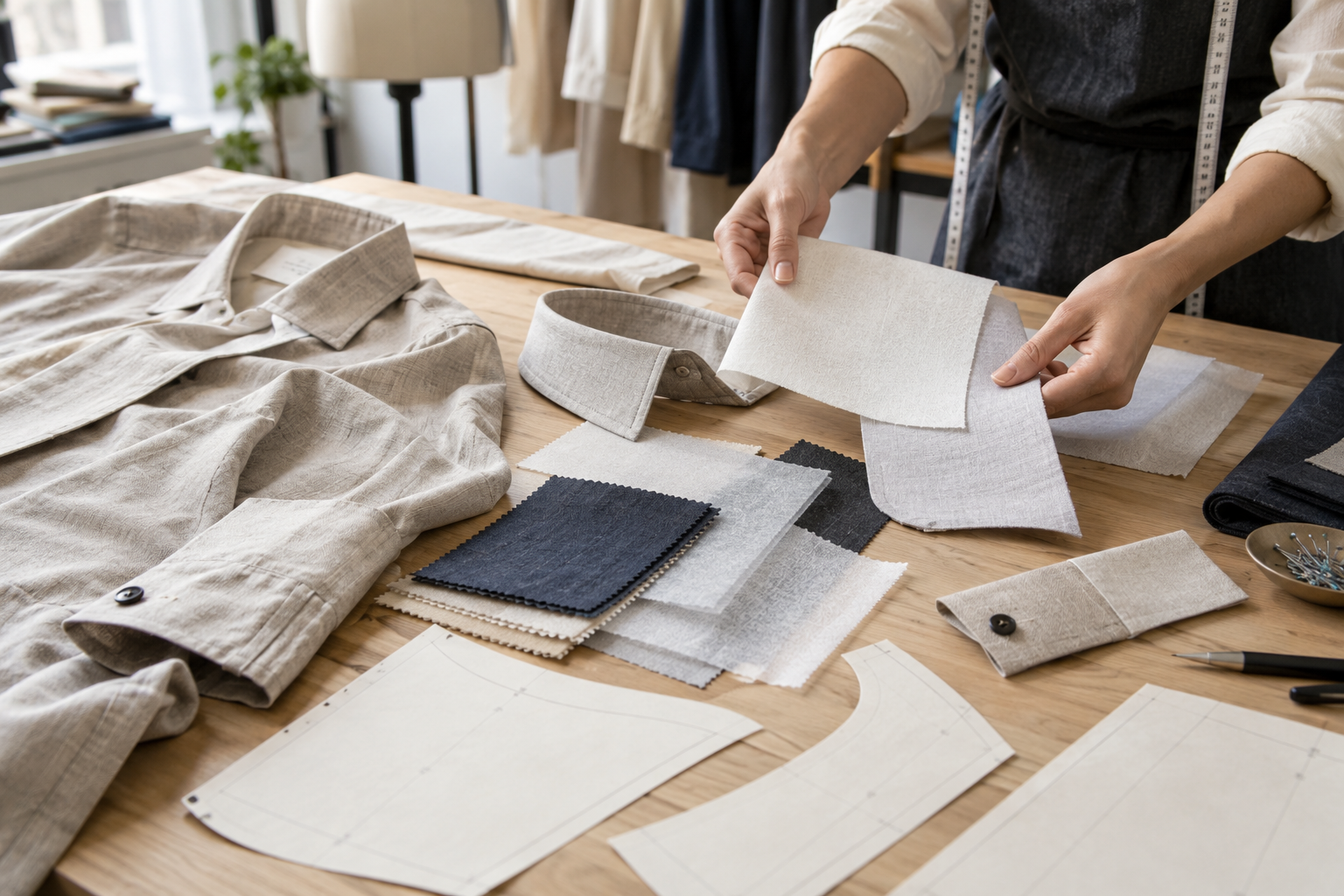
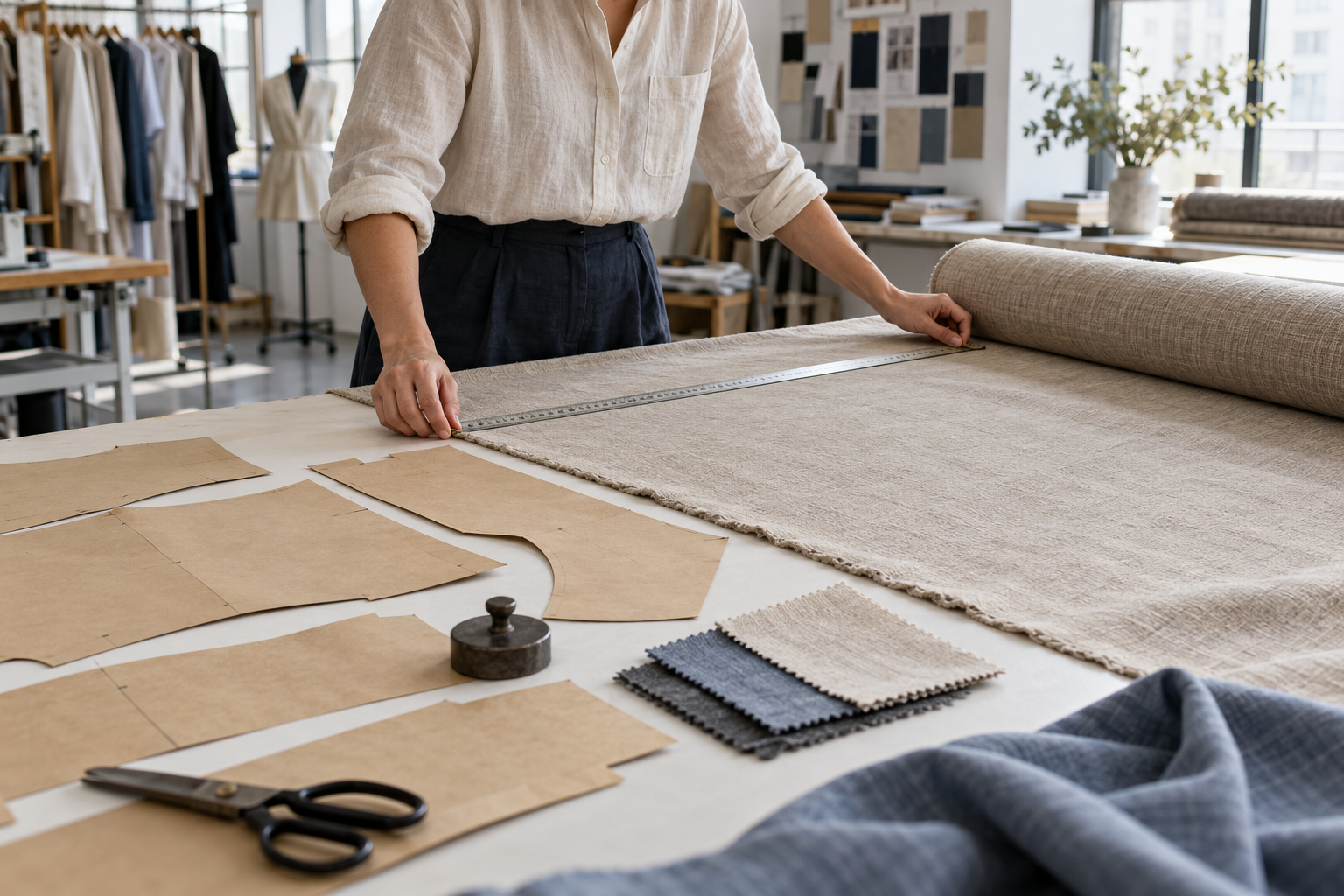
Before a collection can move through sampling with confidence, it needs a dependable foundation: a fit block. Apparel fit block development is the process of defining the base shape, proportions, ease, and measurement logic that future styles will build on. For a clothing brand, getting this work right early makes design reviews clearer, reduces avoidable sample changes, and helps preserve a recognizable fit across a range.
A block is not a finished product and it is not a substitute for a detailed tech pack. It is the repeatable starting point behind a family of garments. A fitted women’s jersey top, a relaxed unisex sweatshirt, and a tailored woven shirt each need different blocks because their intended silhouette, fabric behavior, and construction approach are different. This guide explains how apparel buyers can plan the process and give a manufacturer useful, practical direction.
What is a fit block in apparel development?
A fit block is a base pattern and measurement framework developed around a defined wearer, size, garment category, and silhouette. It establishes key body and garment relationships: shoulder position, chest and waist shape, body length, armhole, sleeve balance, rise, and other category-specific points. Designers can then adapt that foundation into individual styles without reinventing every proportion.
Brands sometimes use the terms sloper, base pattern, and fit block interchangeably. In practice, the useful question is not the label but the purpose. Your supplier needs to know whether you are supplying a proven pattern, asking for a starting block, or approving a block that will guide future development. If you are still defining the garment, start with a clear apparel tech pack so the intended product is visible before pattern work begins.
Why fit blocks matter to growing clothing brands
A well-defined block gives your collection a more consistent point of view. Customers may not describe a shoulder angle or sleeve pitch, but they notice when two tops in the same label feel unrelated. Reusing an approved foundation helps a brand maintain familiar proportions while still making distinct products.
It also improves communication. Instead of saying that a sample “feels a little short,” a team can point to the approved base body length, target ease, and reference size. That makes feedback easier to interpret across a designer, technical team, pattern maker, and sample room. Clear feedback remains essential; use a structured fit sample feedback process to keep decisions traceable from one sample round to the next.
Finally, a block makes future style development more efficient. It does not eliminate sampling—necklines, fabrics, details, and construction still need review—but it focuses each sample on the new decisions rather than repeatedly reopening the same base fit questions.
Start with the wearer and the intended silhouette
Fit is always relative to a target customer. Before requesting block development, document who the garment is for and how it should sit on the body. Avoid vague directions such as “standard fit” or “premium fit.” They mean different things to different teams.
Define the target customer
State the market, gender expression or unisex intent where relevant, the intended size range, and the fit model or reference body used for review. If the brand already has a strong seller, use it as a reference only when its fit is genuinely the direction you want to repeat. Provide photos on body, flat measurements, and notes on what should stay or change.
Describe the silhouette in measurable terms
Turn visual language into practical decisions. For example, “relaxed” may require more chest ease, a dropped shoulder, a wider sleeve, or a longer body—but not necessarily all four. Identify the visual priorities in order: overall body width, length, shoulder placement, neckline, sleeve volume, or hem shape. This gives the pattern maker a hierarchy when tradeoffs are needed.
Separate body measurements from garment measurements
Body measurements describe the person. Garment measurements describe the finished product. The difference between them is ease, and the required ease depends on the style, fabric, and wearing occasion. A stretch rib top and a structured overshirt can have similar chest measurements on paper while fitting very differently. A complete garment measurement spec sheet gives both sides a consistent way to record the garment measurements that matter.
Choose a block strategy that fits the range
One universal block rarely serves a whole brand. Organize blocks by category and construction logic rather than forcing unrelated styles into one base. A sensible first set might include one block for a fitted jersey top, one for a relaxed knit top, one for woven shirts, and one for bottoms. The right starting set depends on the collection—not on how many blocks sound impressive.
Keep fabric behavior in mind. Stretch, recovery, weight, drape, and thickness can change how a pattern performs. A block approved in a compact knit should not automatically be used for a fluid jersey; nor should a light poplin block be assumed to work in a heavy brushed twill. Ask the manufacturer to flag when the proposed material may call for a pattern adjustment rather than a simple fabric swap.
Build a clear development brief
The best block-development brief joins visual intent with technical detail. It need not be long, but it should resolve the basic decisions before sampling starts. Include:
- Garment category, target wearer, base size, and intended size range.
- Front, back, and side reference images or sketches showing the target silhouette.
- Key finished-garment measurements and the tolerance approach for production.
- Fabric composition, weight, stretch direction, recovery expectations, and any lining or support materials.
- Construction features that affect fit, such as shoulder seams, darts, plackets, elastic, or a rib neckband.
- Known reference garments, with notes about what should be copied, avoided, or improved.
List the components as well as the main fabric. Collar rib, elastic, lining, interfacing, and labels can affect bulk, stretch, or how a garment hangs. A carefully maintained apparel bill of materials keeps those choices visible as the sample evolves.
Use the first fit sample to test the foundation
The first fit sample should answer a focused question: does the block express the intended silhouette on the target body? It is tempting to judge every trim, color, and finish at once, but separate the base-fit review from details that do not affect balance.
Review the garment on a fit model or form that represents the agreed base size. Photograph the front, back, left, right, and close-ups of areas under discussion. Check the garment standing naturally as well as in relevant movement, such as reaching, sitting, or walking. For each issue, note the location, observed result, desired result, and requested change. “Raise neckline 1 cm” is actionable; “make neckline better” is not.
Look at balance before individual measurements
Start with the overall relationship of the garment to the body. Is the shoulder seam in the right place? Does the side seam hang vertically? Does the hem appear level? Are sleeves rotating forward or backward? A garment can match several point measurements and still look wrong if its balance is off. Once balance is settled, confirm the detailed specification measurements.
Control changes between sample rounds
Ask the development team to log pattern changes by version. If body length, shoulder width, sleeve width, and fabric are all changed at once, the next result may be hard to interpret. Prioritize the essential corrections, then record what was changed and why. This gives the team a reliable approval trail instead of relying on memory or email fragments.
Plan grading after the base size is approved
Grading expands an approved base-size pattern into the remaining sizes. It should follow the brand’s size strategy and category—not a generic rule applied without review. The increments for a close-fitting top may be different from those for an oversized sweatshirt, a jacket, or a trouser.
Do not wait until bulk production to ask how the garment will grade. Discuss critical sizes during development, especially if your range spans a broad set of body proportions. Review the graded measurement chart and, where practical, a sample in a second size that represents an important edge of the range. This can reveal issues that the base size alone cannot show.
Turn an approved block into a production-ready reference
Approval is more than a verbal “looks good.” Package the final block information so it can be used consistently for the next style and for future reorders. Your record should identify the block name and version, category, approved fabric conditions, base size, finished-garment measurement chart, pattern revision, grading rules, and sample approval notes.
Before a style enters production, compare its adapted pattern and specification against the approved block. Confirm that changes are intentional: a new neckline, pocket, cuff, or fabric may require an adjustment, but the team should know which changes are design-led and which are simply carryovers. Add this check to your pre-production approval checklist so the production handoff reflects the latest decisions.
Common apparel fit block development mistakes
Approving a block from flat measurements alone
Measurements are necessary, but they do not show balance, ease distribution, or movement. Review the garment on body and use photos alongside the measurement record.
Using one block for incompatible fabrics
A block is a starting point, not a guarantee. Confirm whether the material’s stretch, weight, and structure still support the approved fit intent.
Changing the brief during every sample review
It is normal to refine a design, but repeatedly changing the silhouette goal makes approval difficult. Separate “must fix for fit” from “new design idea for a later style.”
Failing to version the approved information
Without dates and version names, an outdated chart or pattern can easily reappear. Use a simple, consistent naming system and share one current source of truth.
FAQ
How many fit blocks does a new clothing brand need?
Start with the categories that support the first collection. A brand may need only one or two blocks initially, then add blocks when it introduces a genuinely different silhouette, fabric behavior, or construction type.
Can a fit block eliminate sample rounds?
No. An approved block can reduce uncertainty, but every style still needs appropriate review for its fabric, construction, details, and intended fit.
Should the manufacturer own the fit block?
Clarify ownership, access, and record-keeping before development begins. Whatever the arrangement, the brand should retain complete approval records, specifications, and the information needed to guide repeat work.
Build a fit foundation before scaling the collection
Apparel fit block development gives a clothing brand a practical way to turn a visual point of view into repeatable product decisions. Define the wearer, document the silhouette, test the foundation on body, manage changes carefully, and preserve the approved record for future styles. When you are ready to organize a clearer development brief for your next range, contact Huilin Fashion to discuss your custom apparel project.