What is poplin fabric?
In fact, poplin, as a versatile fabric, has long been integrated into every corner of our lives, whether it is the common cotton poplin, or cotton-polyester blends, can be seen in our clothing. Nowadays, it has gradually penetrated into our daily wear and high-end fashion. The reason for its popularity is that poplin is a versatile fabric that combines toughness and abrasion resistance with softness and shine.
The origins of poplin can be traced back to medieval times, when it was a popular winter garment in Europe, made from silk and wool. The word “poplin” is derived from the French word “papelaine”, which refers to the papal town of Avignon in France. Although originally made of silk, poplin is known for its casual comfort. In Louisa May’s novel Little Women, the two heroines regret not being able to wear their finest poplin dresses to the ball, reflecting the prevalence of poplin in the French city of Papelino at the time. Over time, poplin rose to fame in the 19th and 20th centuries, and was favored for its suitability for a wide range of garments. Poplin is a firm, smooth and shiny cotton fabric that is often used for shirts, dresses, sportswear and raincoats. Poplin can also be bleached, dyed or printed, making it ideal for a variety of garments. If you’re looking for a versatile and stylish fabric, poplin is definitely the way to go.
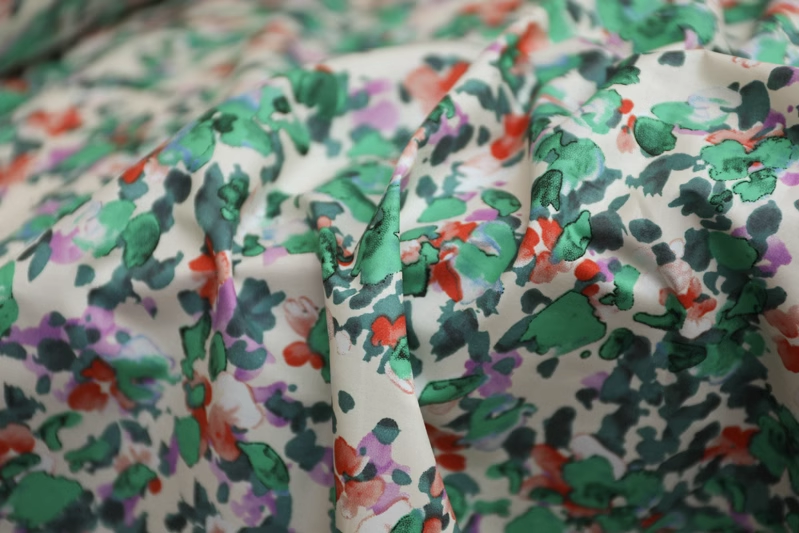
Characteristics of poplin fabric
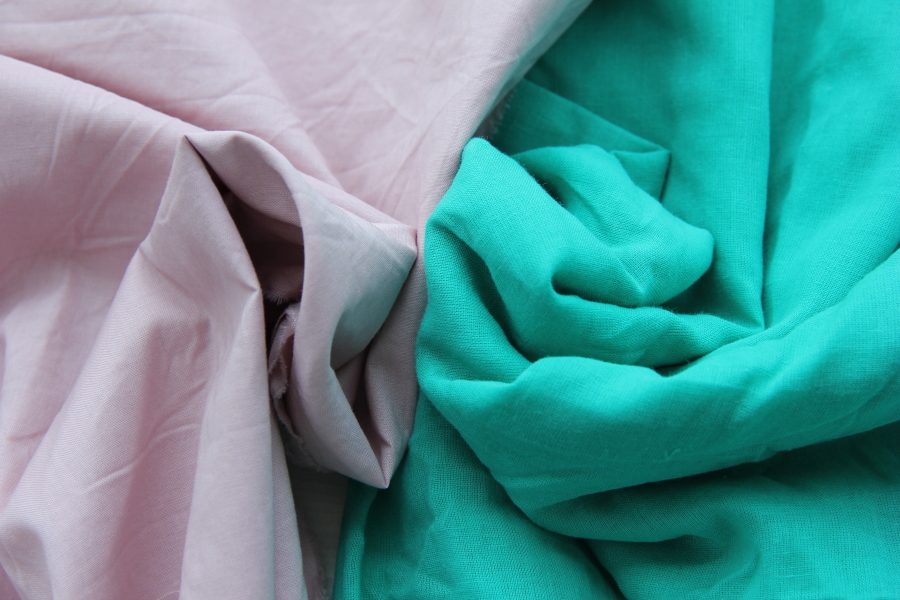
Poplin fabrics have a smooth texture and a stable, long-lasting look. It has become one of the focal points of the fashion world due to its colorful and diverse designs and popular elements. Poplin fabrics use a unique ribbed structure and tight weaving technology, giving the fabric a bright luster, loved by consumers. Early poplin was mainly woven in plain weave, using fine silk warp yarns and filled with heavy wool yarns, thus forming the classic ribbed texture. Today, poplin is mostly made of cotton, which is of moderate weight and still strong. There are also blends of wool, silk, satin, rayon or polyester, but the basic principle remains the same – a plain weave utilizing two different thicknesses of yarn. If the perfect balance is sought, poplin is both lightweight and durable, and is breathable and easy to care for.
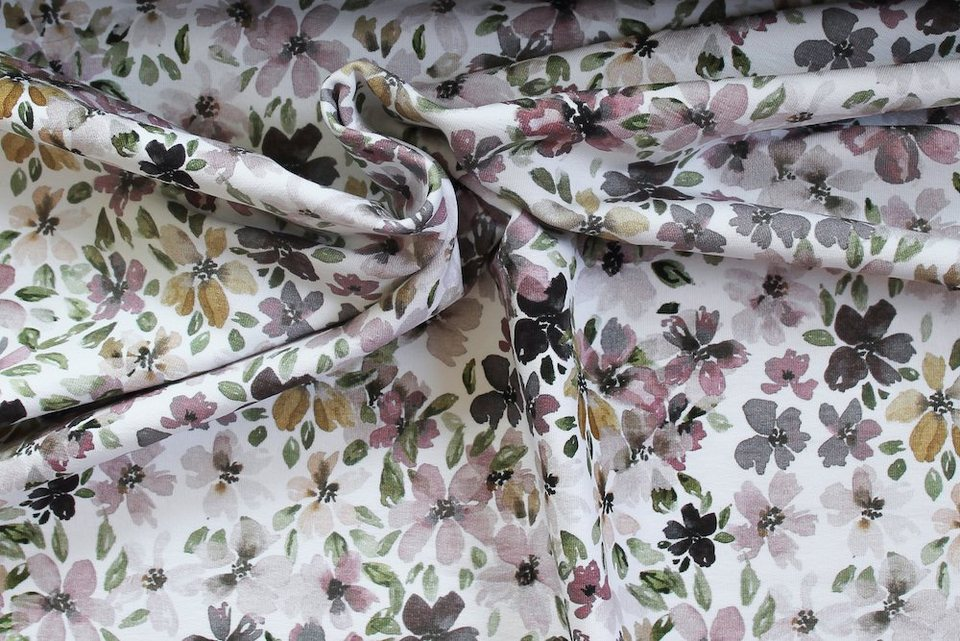
Uses of poplin fabric
In addition to apparel and home décor, poplin products are widely used in the manufacture of handbags, accessories and medical and cosmetic scrubs.
The fabric is especially suitable for hospitals and other places where practical and comfortable products are needed for medical staff. Because it is comfortable and easy to move, so favored by medical workers.
In addition, poplin is prized for its excellent screen printing properties. Its smooth texture provides excellent results for design and logo printing. Overall, the fabric is versatile and adaptable to a wide range of needs. However, with state-of-the-art printing technology, we can all create vibrant prints in a splash of color. Because of its expressiveness and suitability for summer wear, interiors and decoration, poplin is also ideal for many artworks and projects. So, now that you have an in-depth understanding of this amazing fabric, all you need to do is find your favorite design or create your own!
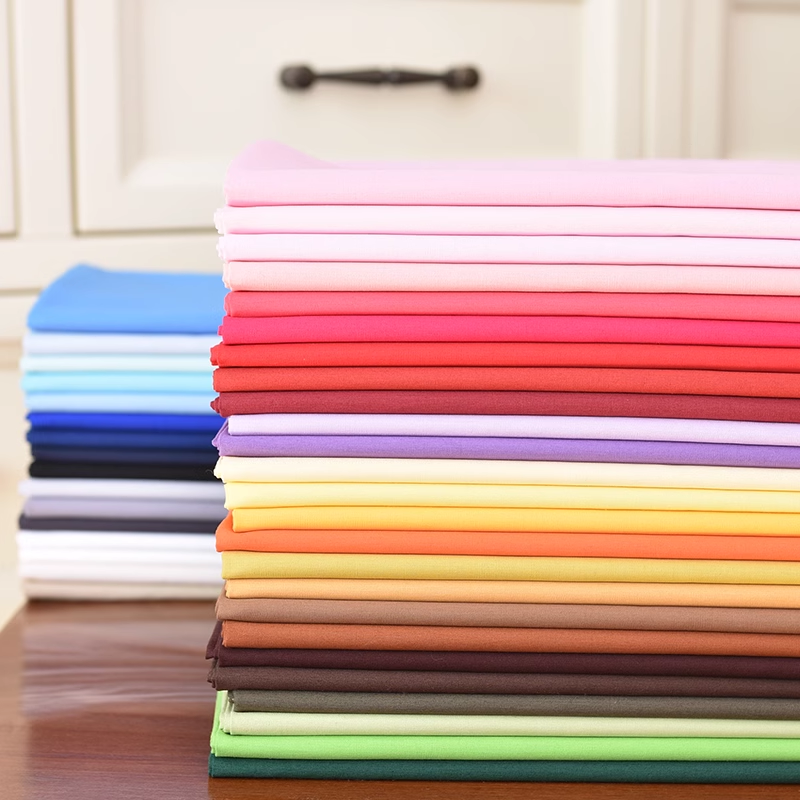
Common Materials for Poplin Fabric
Poplin fabrics are often made from cotton, silk and polyester.
Cotton poplin
Cotton is widely used in the production of poplin fabrics because of its softness, durability and breathability. To get the desired effect, cotton fibers are first spun into yarns and then interlaced into a fine layout of small squares. This gives it a smooth and tough texture.
Silk Poplin
Silk poplin is suitable for high-grade clothing for formal occasions, such as formal wear and evening dresses. It is made by tightly weaving the silk fibers into a plain structure, creating a smooth and even surface with a subtle sheen and excellent draping properties.
Polyester Poplin
Polyester poplin occupies an important position in poplin fabrics because of its strong synthetic fiber properties. The production process is identical to that of cotton and silk, resulting in a smooth, wrinkle-resistant fabric that is easy to care for.
In addition, poplin fabrics can also be mixed with other fibers such as spandex or rayon to enhance elasticity or improve drape.
Advantages and disadvantages of poplin fabric
Like any other material, poplin has distinct advantages and disadvantages. Some of the main features of poplin and their influencing factors are listed below:
Advantages of poplin:
- Light and airy
- Strong and wear-resistant
- Cool and refreshing
- Wide range of applications
- Smooth handfeel
- Bright surface
- Soft luster
- High level of comfort
- Easy to print
- Less prone to wrinkles
- Not easily stained
- Waterproof
- Poplin is ideal for warm clothing due to its light and airy nature.
- Strong and abrasion-resistant
- Poplin’s tight, flat weave makes it durable and long-lasting.
- Easy care
- Poplin can be washed and dried directly in the washing machine and does not wrinkle easily, making it easy to maintain on a daily basis.
- Wide range of application
- Poplin is widely used in clothing, home decoration and accessories.
Disadvantages of poplin:
- Limited stretch
- Does not retain heat effectively
- Too thin in winter
- Poplin does not have enough stretch, which may lead to discomfort in wearing, restrict movement, or even cause tearing.
- Prone to creasing
- Despite its crease-resistant effect, poplin needs to be ironed or steam-treated regularly to maintain a flat appearance.
- Stiff texture
- Polyester poplin has a stiff texture and may not be suitable for all occasions.
- Limited colors and patterns
- Although poplin textiles are available in a wide selection of colors and patterns, their texture and weave differ from other fibers such as cotton and silk.