What is Oxford fabric material?
Originating from the world-renowned Royal College of England – Oxford University, Oxford fabric is widely used in casual as well as semi-formal button-down shirt making. The fabric is characterized by a unique basket weave structure, which makes it thicker than regular shirting fabrics. It is also slightly heavier than other formal shirt fabrics, which is why it is primarily used for casual occasions.
Dating back to the early 19th century, Oxford fabric, as one of the four classic fabrics developed by the Scottish Fabrics Factory, was inspired by four globally renowned academic institutions – Harvard, Cambridge, Yale and Oxford – giving it a deep cultural heritage and historical value. However, the relatively low market acceptance of the other three fabrics eventually led to their discontinuation.
Characteristics of Oxford fabrics
It is worth mentioning that initially, Oxford textiles were only made with pure cotton fibers, but nowadays, with the continuous progress of technology, this high-quality fabric has begun to be manufactured with a variety of synthetic fibers, such as rayon, viscose fibers, as well as polyester fibers and so on. So, what exactly is Oxford fabric?
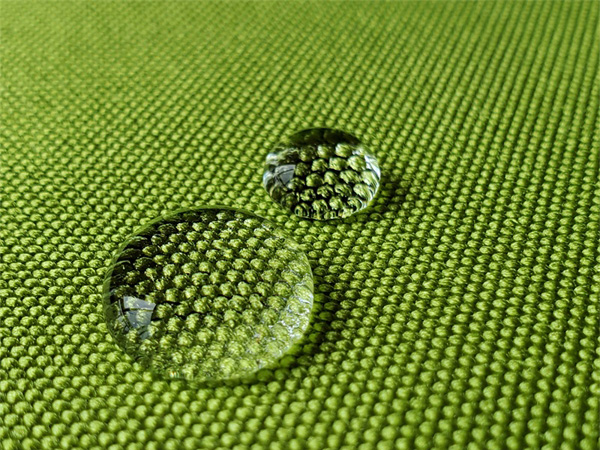
Oxford fabric, being a mechanically woven fabric, is often used to make formal shirts. It is unique in that it utilizes a basket weave structure with a lot of variations, which allows it to be produced in a variety of different weight classes. From lightweight 50’s single ply fabrics to heavy 40/1 x 24/2 sizes, Oxford fabrics can easily handle all types of needs.
What is Oxford fabric used for?
Oxford fabric is the fabric of choice for button down shirts due to its superior quality and craftsmanship. It is known to represent casual yet elegant American style. However, the applications of Oxford textiles go far beyond that, as it can also be used to make a wide range of products such as home furnishings and fashion accessories.
Next, let’s take a closer look at the characteristics of Oxford fabrics! Firstly, Oxford fabrics are one of the most widely used fabrics due to their toughness. Secondly, because its material composition consists mainly of synthetic fibers such as polyester and rayon, Oxford fabrics have good wrinkle resistance and do not need to be ironed frequently to keep them flat and smooth. In addition, Oxford fabric has a basket weave structure, which makes it durable and breathable. In addition, Oxford fabric has a delicate and refined texture due to its unique weave, and its weight varies depending on the structure pattern.
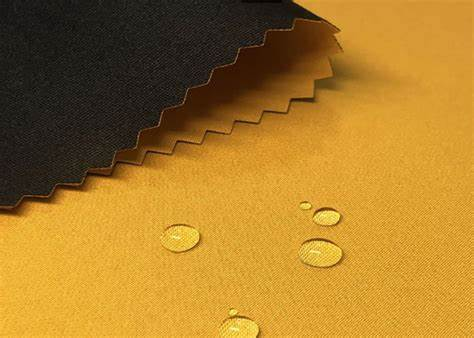
One thing that must be mentioned is the durability of Oxford fabrics. As an extremely durable fabric, Oxford fabric not only maintains the original shape of the garment, but also has excellent resistance to chemicals and abrasion. Even, some Oxford fabrics are waterproof, with a windproof and waterproof effect through coated polyurethane (PU) treatment.
Overall, Oxford fabrics have a wide range of applications not only in the apparel sector, but also in home décor and outdoor equipment. Whether it’s for casual and semi-formal wear, windbreakers, raincoats and outdoor jackets, pillowcases and curtains, or even outdoor equipment such as tents, backpacks, hunting and fishing equipment, and suitcases, Oxford fabrics can demonstrate their excellent quality and exquisite craftsmanship.
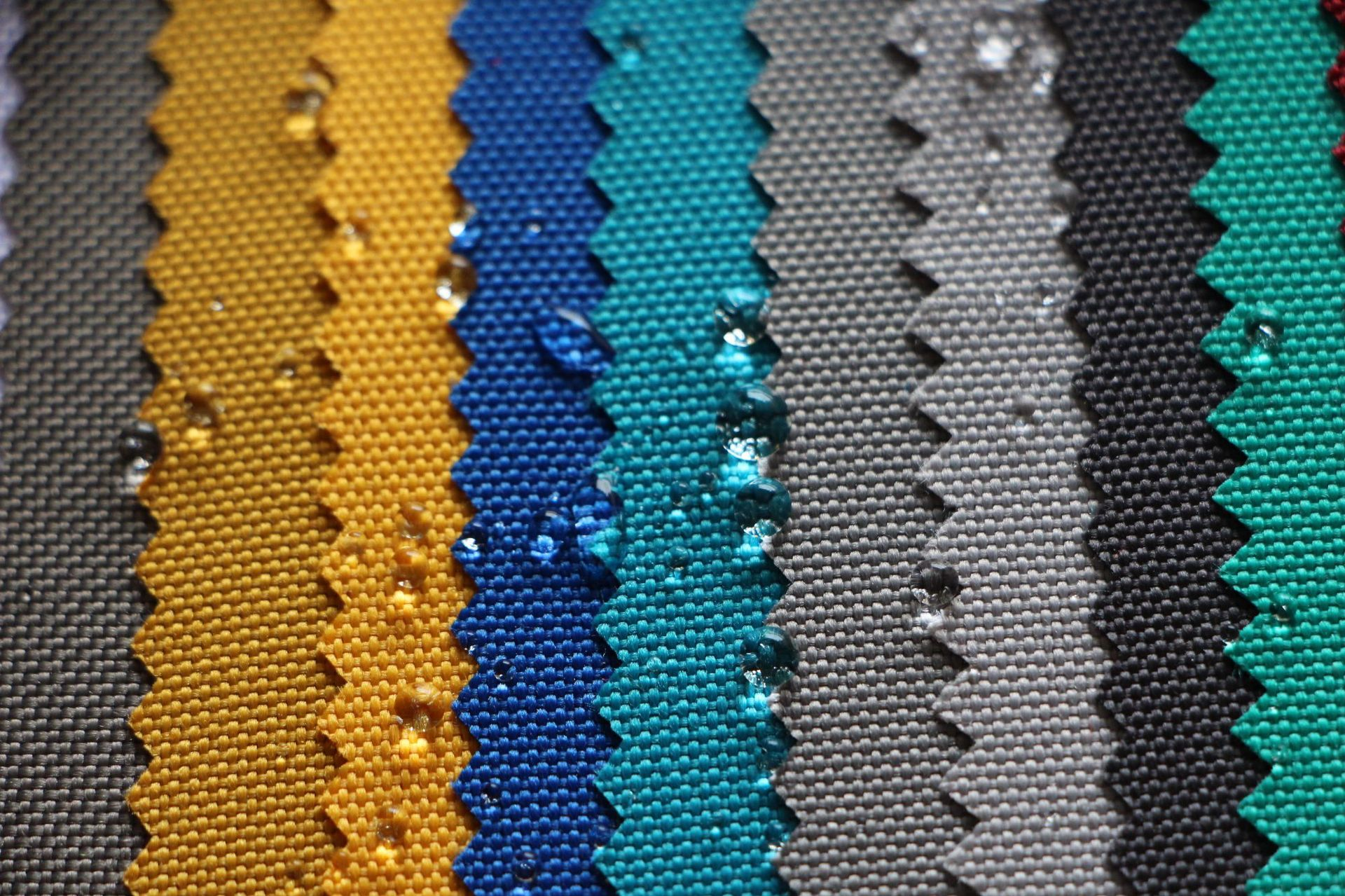
Oxford fabrics are diverse and versatile!
The unique construction of Oxford fabrics varies from application to application. No matter what type of lightweight to heavyweight oxford fabric you are looking for, we have an option for you.
- Plain Oxford (Plain Oxford Apartment)
Plain Oxford is a classic representation of heavyweight Oxford textiles (40/1 x 24/2). This fabric has a smooth surface and a medium thickness, making it thicker compared to a regular formal shirt. Its excellent abrasion resistance makes it a popular choice for casual button down shirts.
- 50’s Single Layer Oxford
The single-ply Oxford fabrics of the 50s stand out for their lightweight texture. It is fresher and more pleasant than traditional Oxford fabrics. Available in a wide range of colors and patterns, 50’s Single Ply Oxford is mainly used for business as well as smart-casual shirts.
- Pinpoint Oxford
The Pinpoint Oxford Cloth (80’s two-ply) is made using a more sophisticated basket weave. As a result, the fabric has a smoother feel than regular Oxford fabrics, and Pinpoint Oxford has a higher level of quality in the details than regular Oxford. Therefore, it is important to avoid contact with sharp objects such as tacks when wearing the Oxford.
The Pinpoint Oxford is a little thicker than a broadcloth and provides good light blocking. It also goes well with college style business shirts.
- Royal Oxford
Royal Oxford fabric (75 x 2 x 38/3) is a good example of “quality Oxford”. It is thinner and lighter than other Oxford fabrics. Its surface is smooth and bright, and its weave texture is clear and intricate. Royal Oxford textiles are designed for more formal occasions.
Frequently Asked Questions
- What is the difference between Oxford and cotton?
Cotton is a natural fiber, while Oxford is a weaving technique using cotton or other synthetic materials. Oxford fabrics also fall into the category of heavyweight fabrics.
- Is Oxford the same as polyester?
Oxford is a special fabric weaving method that can be made using synthetic fibers such as polyester. Polyester, on the other hand, is a synthetic fiber commonly used to produce specialty fabric weaves such as Oxford.
- Can I iron Oxford fabrics?
Oxford fabrics have excellent wrinkle resistance and therefore do not need to be ironed. Simply place it in a ventilated area to dry naturally. If you do need to iron the fabric, it is recommended that you do so with care.
- How can I tell if a shirt is made of Oxford fabric?
Oxford fabric has a thicker feel than regular dress shirts. Its texture is more rugged than shirts made of poplin and chambray, showing a subtle difference in texture.
- Is Oxford fabric waterproof?
Ordinary Oxford fabrics are not waterproof. However, by applying a polyurethane (PU) coating to the surface, it is possible to give the fabric excellent wind and water resistance. Commonly available PU-coated Oxford fabrics include 210D, 420D and 600D grades, with the 600D grade having the best waterproofing performance among all textiles.
- Are Oxford fabrics environmentally friendly?
The environmental friendliness of Oxford fabrics depends on the fibers used. Oxford shirt fabrics made from cotton fibers are undoubtedly environmentally friendly. However, those made from synthetic fibers such as rayon, nylon and polyester may not be environmentally friendly.
Summing Up
Today, Oxford fabrics are highly prized for their great versatility. This synthetic fabric weave can be produced in a variety of ways. Oxford weaves can be lightweight or heavy, depending on their structural design.
In addition, by applying a polyurethane coating to the surface, Oxford cloth offers excellent resistance to wind and water.
Although initially limited to the classic button-down shirt, Oxford textiles have over time been found to be much more than that. Today, there are endless possibilities for clothing styles you can create with Oxford textiles.