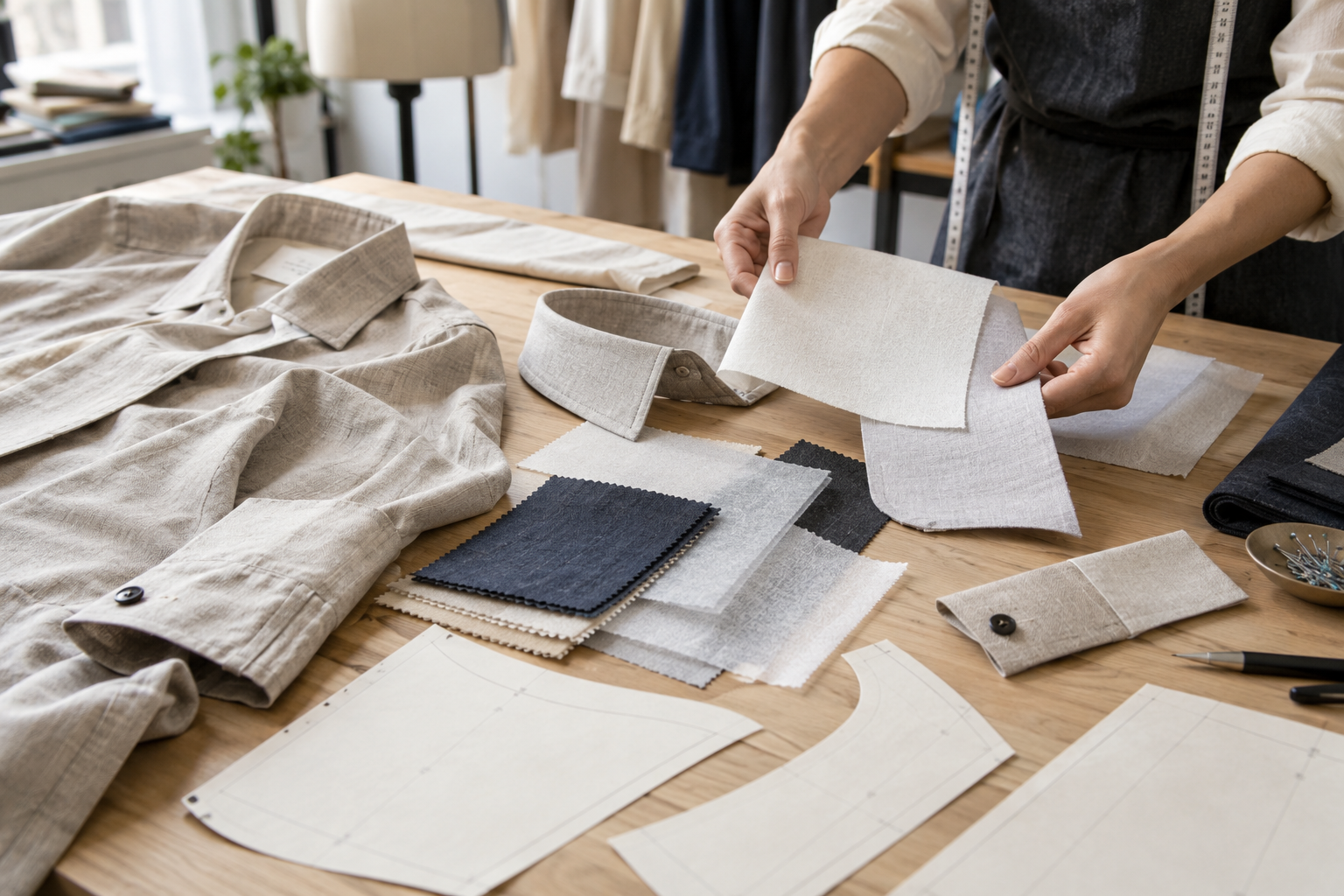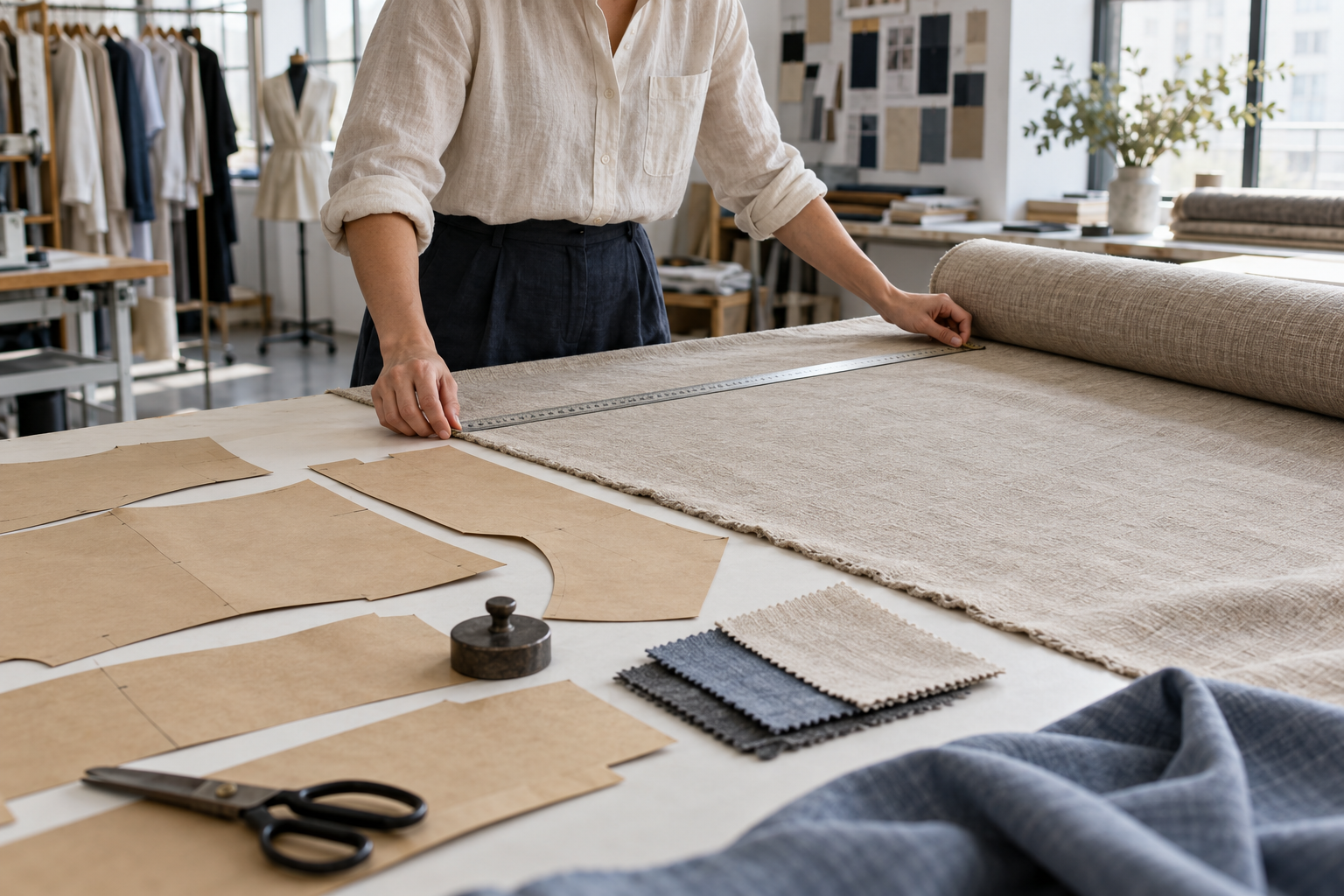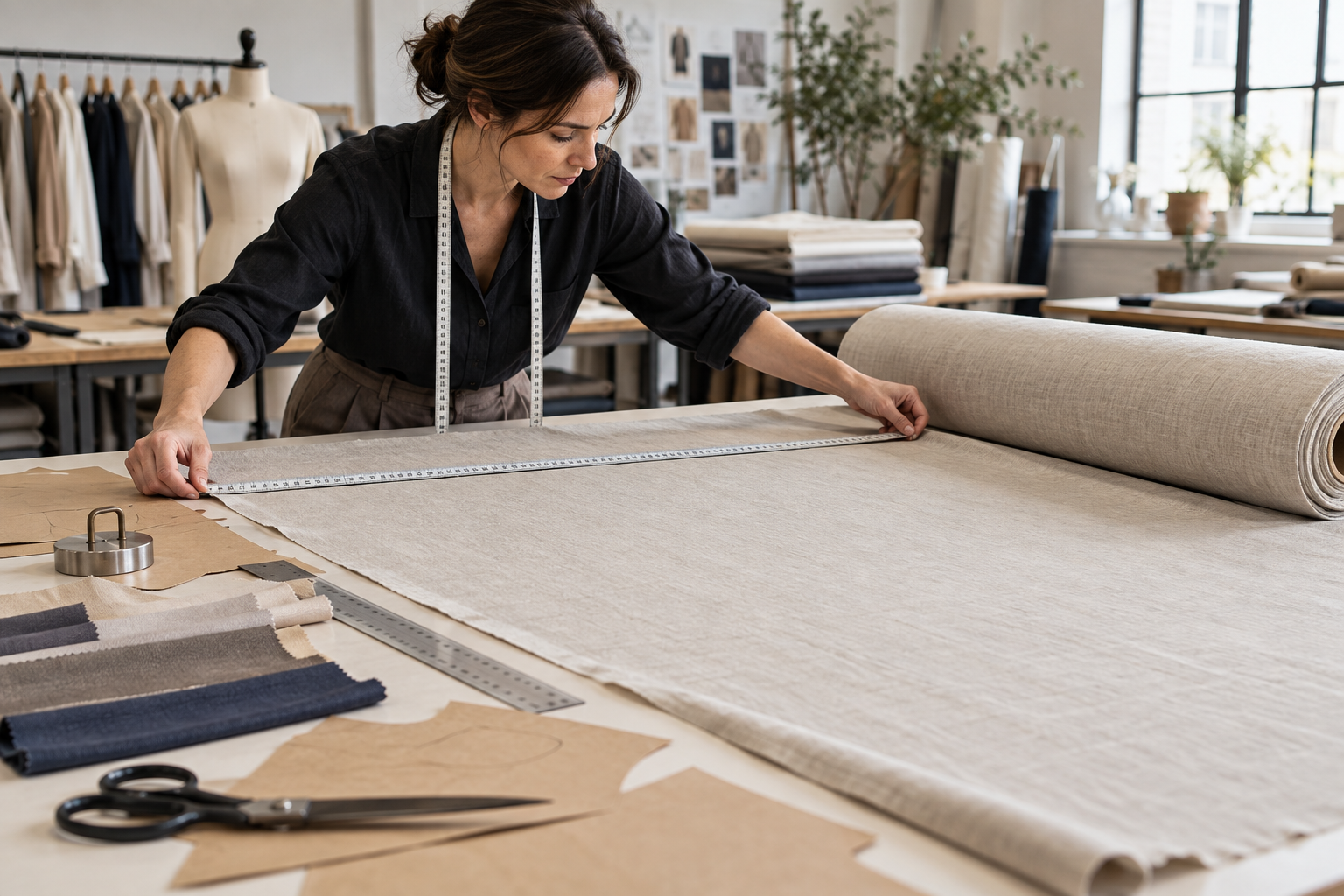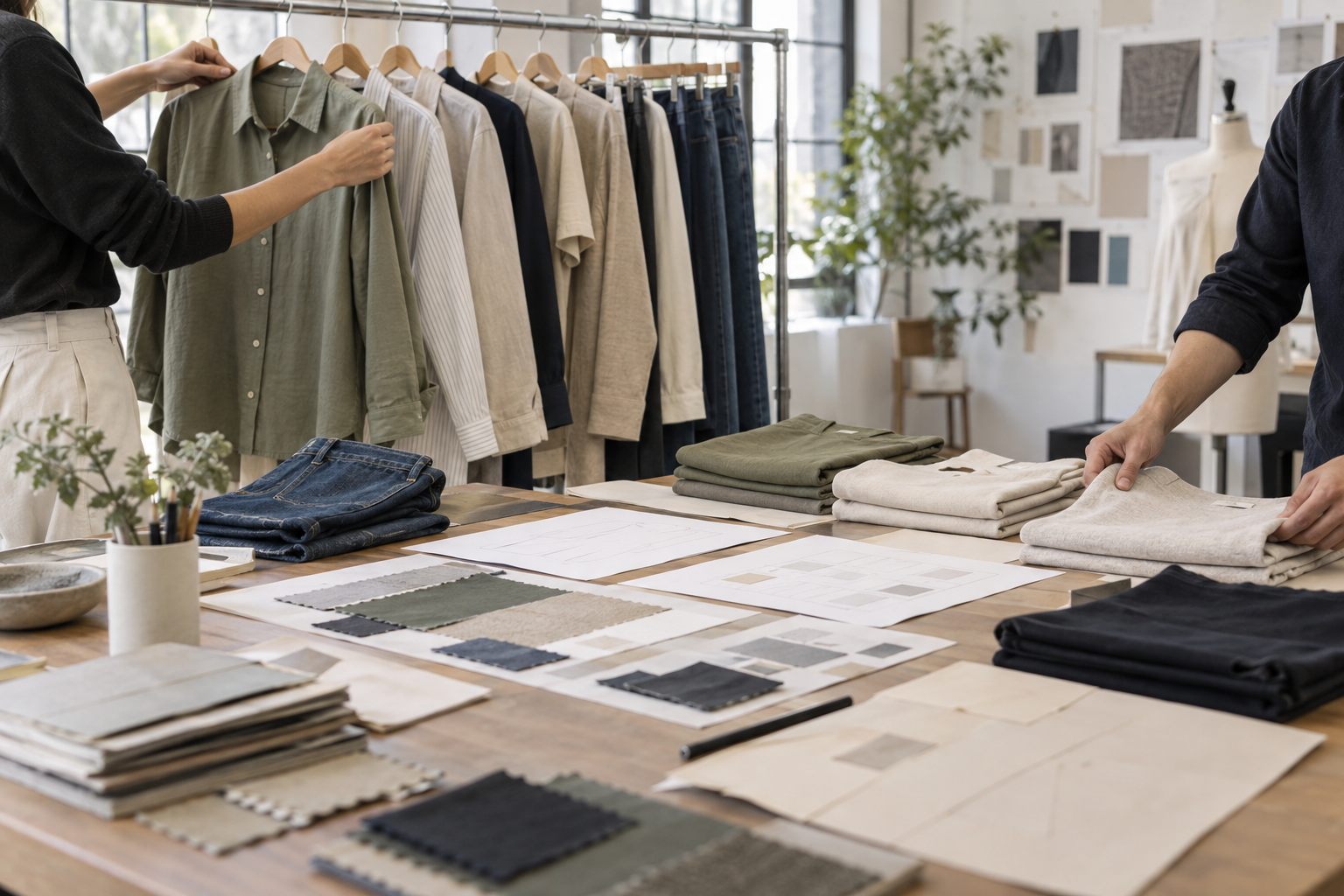
Modal fabrics originated at the beginning of the 20th century and are now widely used, having been commercially produced by the Austrian company Lenzing AG in the 1950’s. The process involves the extraction of cellulose from beech wood, which is then made into paper pulp. The production process involves extracting cellulose from beech wood, which is then made into pulp and finally woven or knitted into fabric by machine.
Modal fabrics are often chosen by designers and apparel brands for their comfort and environmental friendliness, due to their good water absorption, color stability and resistance to shrinkage. These fabrics are popular among consumers because they combine unique properties with low environmental impact.
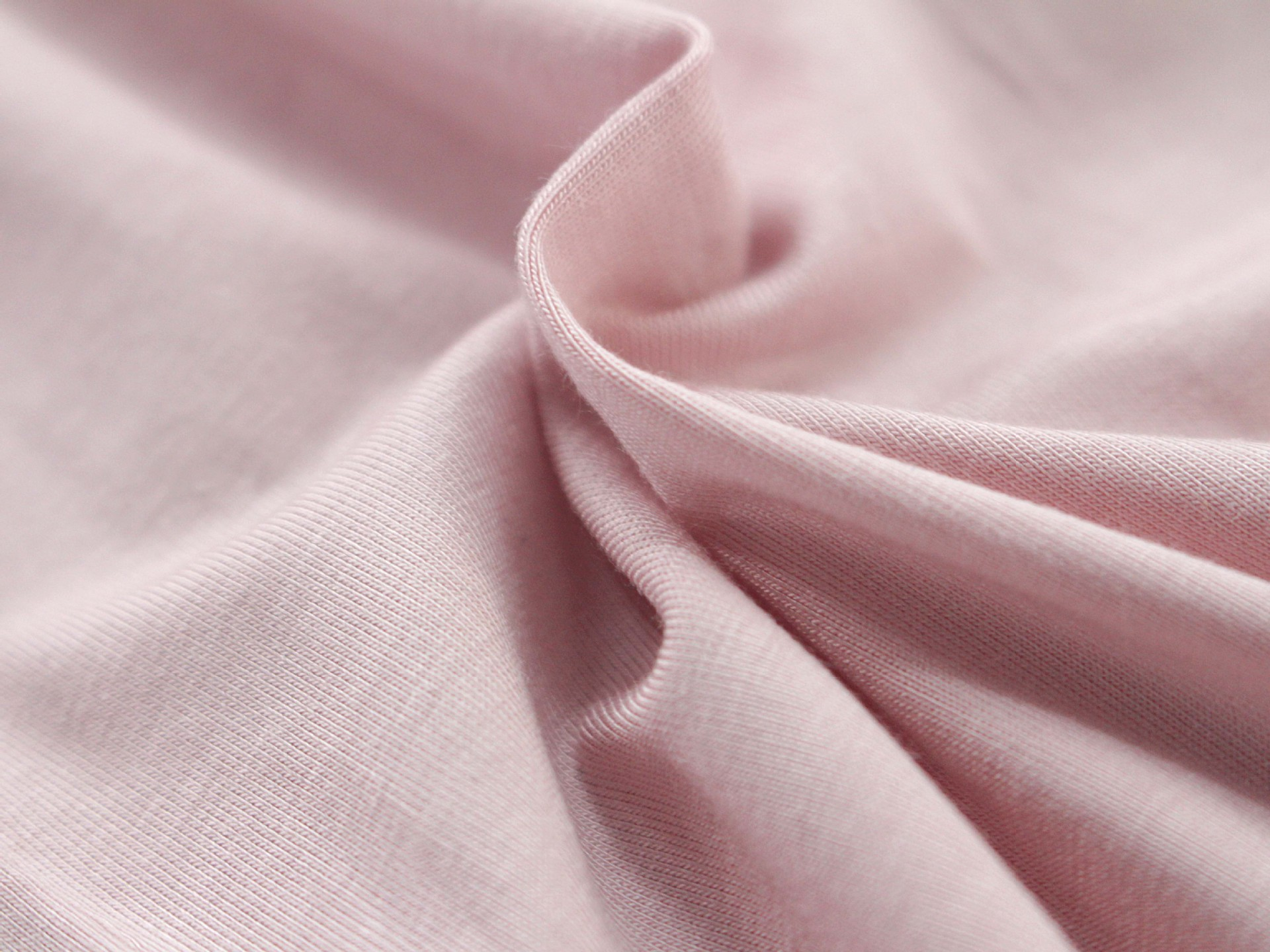
What is Modal fabric?
Modal fabrics are soft, breathable and versatile, especially for fashion. The fabric is made from cellulose fibers from beech tree pulp, often blended with cotton and spandex to enhance its performance.
The significant advantage of Modal fabrics is that they are as soft as natural fibers such as silk and cashmere. Its smooth surface and excellent drape make garments comfortable and elegant to the touch.
Properties and characteristics of Modal fabrics
Softness and drape
Modal fabrics are smooth to the touch, bringing comfort to the skin. At the same time, its excellent drape gives garments a sense of flow and a beautiful hanging effect, further enhancing the overall appearance.
Color retention
Modal fabrics have excellent color retention, making them ideal for garments that need to retain their vibrant colors after multiple washes and sun exposure. This ensures wearability and aesthetics.
Moisture wicking
Modal fabrics are highly efficient at wicking moisture away from the skin, keeping the wearer dry and comfortable. It absorbs up to 50% more water than cotton, making it particularly suitable for sportswear and intimate apparel where moisture management is important.
Durability
Modal fabrics are soft, durable and resistant to abrasion, retaining their shape even after stretching and deformation. It also resists shrinkage, pilling and color fading, making it the preferred choice for long-lasting clothing.
Please note that while modal fabrics have excellent properties in their own right, the specific manufacturing process, fiber blend, and post-finishing all have an impact on their final properties. Regardless, however, modal fabrics remain a popular and versatile fabric for the fashion industry.
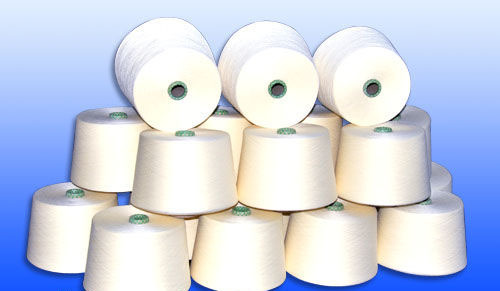
The way Modal fabrics are made
Modal fabrics are made from cellulose fibers from beech tree pulp. First, the wood is cut and processed to obtain the cellulose fibers that form the basis of modal fabrics.
The entire production process consists of several steps to gradually transform the raw material into a finished fabric.
The Modal textile production process
Chemical treatment: The cellulose pulp is chemically treated to form a viscose solution. This is followed by filtration and degassing to remove impurities and air bubbles.
Spinning: The viscose solution is squeezed through a spinneret to form fine fibers.
Stretching: The fibers are stretched to increase their strength and durability.
Drying: Drying the fibers to remove excess moisture.
Finishing: Finishing the fibers to improve their softness and other properties.
By understanding these steps, designers and apparel brands are better able to select modal fabrics that fit their design concepts, ensuring both quality and environmental friendliness.
Modal fabrics are widely used in apparel, home furnishings and industrial applications. The following is the relevant introduction:
Garments
Modal fabrics are flexible, abrasion-resistant and color-stable, making them the material of choice for a wide range of garments such as shirts, dresses, skirts, underwear and sportswear. The fiber’s versatility and excellent quality ensure consumer comfort and taste.
Home Textiles
Modal textiles excel in home furnishings such as bed sheets, towels, bathrobes, curtains, upholstery, tablecloths and decorative pillows. It is highly regarded for its softness, durability and moisture-wicking properties. Modal sheets provide a comfortable sleeping experience, while towels combine absorbency with a soft touch. Modal textiles enhance the comfort, aesthetics and practicality of home textile products and are therefore highly favored.
Industrial applications
Modal textiles are utilized in many industrial applications due to their practicality. Their high strength and durability make them ideal for reusable packaging materials and industrial bags. In addition, they are used as waterproof fabrics, protective clothing and specialty textiles. modal fabrics are soft and absorbent, making them suitable for cleaning and wiping in industries such as automotive, electronics and optics.
However, Modal fabrics have some drawbacks. First, the chemical treatment process can be potentially harmful to the environment; second, it can easily lead to fabric shrinkage if not washed and dried properly; and lastly, modal fibers are relatively expensive compared to other natural fibers such as cotton or linen.
Overall, modal fabric has become the new favorite of the fashion world with its luxurious, soft and comfortable characteristics. However, when shopping for them, we still need to pay attention to their care needs and their impact on the environment. Modal fabrics combine luxury, comfort and sustainability, and are undoubtedly ideal for consumers seeking an eco-friendly lifestyle.