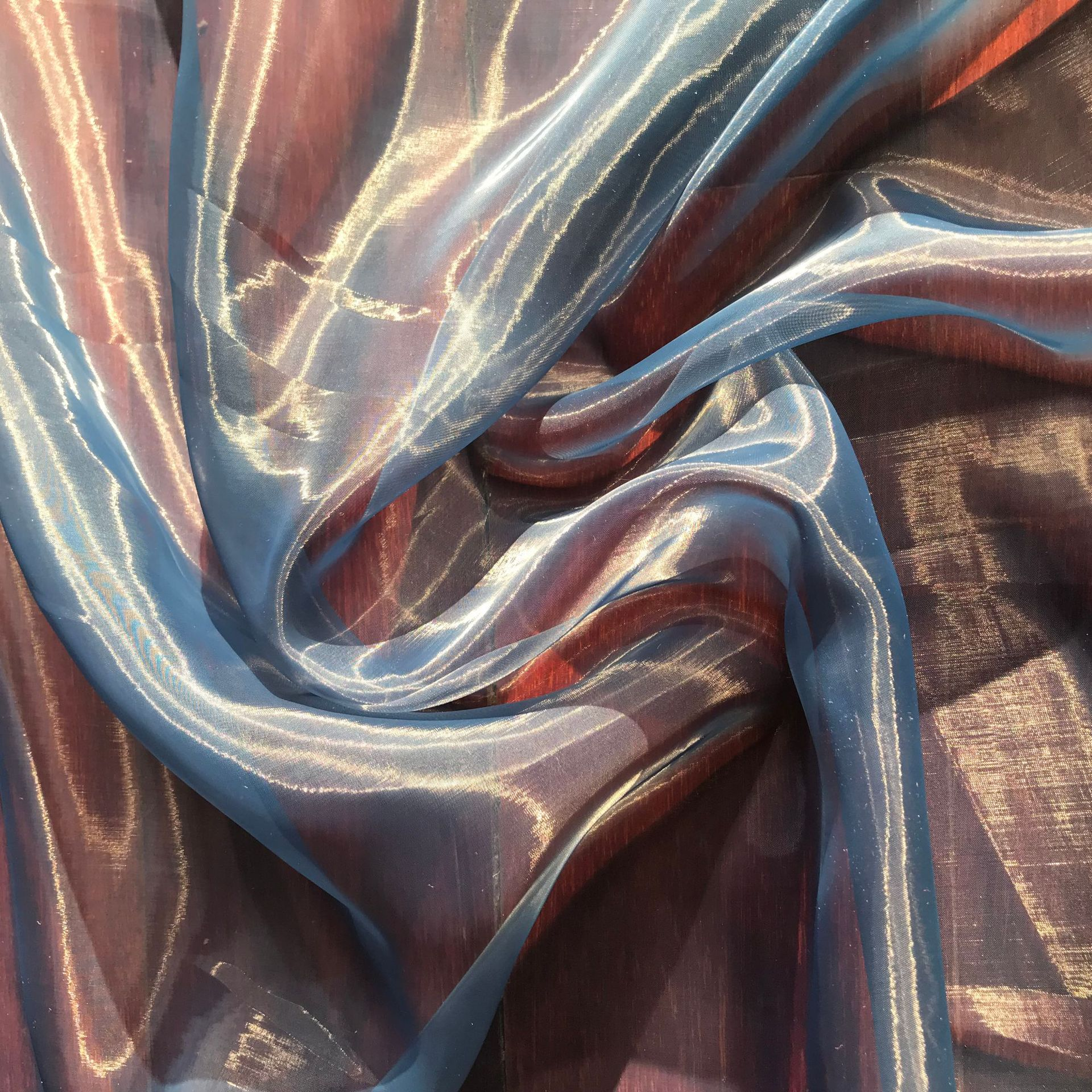
What is mesh fabric?
The history of mesh fabrics goes back thousands of years, when people began using mesh to make a variety of tools and decorative items. At the end of the 19th century, innovators in the textile industry began experimenting with mesh in apparel, ushering in a whole new era.
Today, mesh fabrics have become one of the indispensable elements of the fashion world. Whether it’s an elegant dress or a casual T-shirt, mesh fabrics can be found all over the world. The material not only adds a unique texture to a garment, but also provides comfort to the wearer.
In the early 1950’s, Mr. Haslam, a celebrity who changed the world of textiles, plunged headlong into the study of loosely knitted fabrics with his amazing insight and determination. His curiosity drove him to experiment with new techniques and methods, and ultimately, he succeeded in pioneering a whole new field – the Aertex Textile Company!
Aertex, a name that is now synonymous with mesh fabrics. However, at that time, it was the first mesh fabric manufacturer in the world. Mr. Haslam’s innovative spirit enabled Aertex to rise quickly and, within a few years, to become one of the world’s best-known textile companies.
By the mid-1980s, Aertex products had taken the world by storm, with fashion icons on MTV wearing Aertex products. This craze was supported by the internationally recognized shoe and apparel brand Adidas. Since then, more and more companies have been involved in the production of mesh fabrics, which have given rise to many different varieties.
Where is mesh fabric made?
Polyester was not first produced in the United States or the United Kingdom, but rather originated from the Aertex manufacturing facility in England. Over time, the fabric gained popularity in the mid-1980s, attracting many consumers. To meet the market demand, the United States and other countries established their own production facilities. Until the end of the 20th century, the U.S. and the U.K. remained the main producers of these fabrics.
However, as globalization accelerated, China gradually emerged as the world’s largest textile supplier. Whether it is silk, cotton, rayon or polyester, Chinese companies contribute more to the global consumer economy than factories in any other country. In addition, Asian countries such as India, Pakistan as well as Indonesia have become important textile suppliers.
How is mesh fabric made?
However, the making of mesh fabrics is not an easy task. In most cases, mesh fabrics are made from high-quality synthetic materials such as polyester and nylon. These materials not only offer good elasticity and abrasion resistance, but also provide excellent breathability. It is these benefits that have made mesh fabrics a favorite in sportswear, casual wear, and the fashion world.
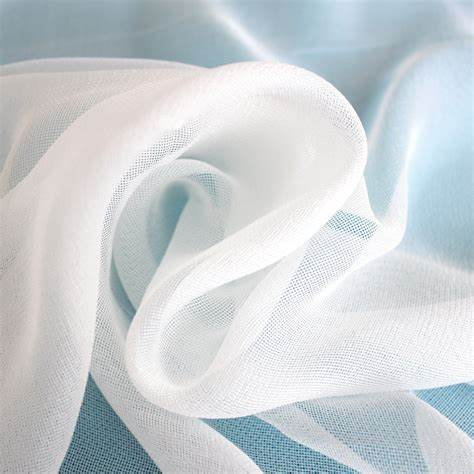
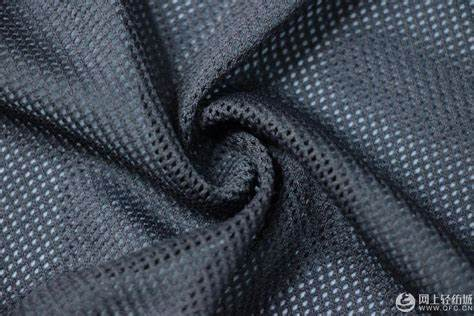
The main reason why mesh fabrics are so popular is due to their unique weave. Compared to other tightly woven fabrics, mesh fabrics are woven more loosely, resulting in countless tiny holes in every mesh garment. These holes not only increase the area for air circulation, but also effectively absorb perspiration and keep the body dry.
In addition, mesh fabrics have excellent elasticity and extensibility, which allows them to maintain their good appearance and performance even after many washings and ironings. Therefore, mesh fabrics can provide you with the best protection and support for both everyday wear and sports occasions.
Overall, mesh fabrics have won the hearts of consumers with their excellent quality and unique charm. If you haven’t tried clothes made of this material yet, you can go to the mall or specialty stores to browse, and I believe you will love them!
What is the price of mesh fabric?
We need to be clear that the price of mesh fabrics is not set in stone, but is influenced by a number of factors. One of the main factors is the material it is made of. Different materials can make a huge difference in the price of mesh fabrics. For example, mesh fabrics made from silk are naturally much more expensive than ordinary mesh fabrics made from synthetic materials due to their high quality. Nylon and polyester, on the other hand, are commonly used synthetic materials, and their prices are basically comparable.
The price of mesh fabrics is also affected by geographical factors. If you choose to buy mesh fabric from a mill in a Western country, then you may find that the price is considerably higher than if you buy it from an Asian country such as China, India, Pakistan or Indonesia.
What is fabric mesh used for?
Fabric mesh is probably one of those sports apparel materials that you never thought of. Imagine a breathable fabric mesh that provides a cool, comfortable fit, allowing sweat to evaporate quickly and keeping your body dry during intense aerobic activity. This not only improves athletic performance, but more importantly, it protects you from skin damage caused by the hot and humid environment.
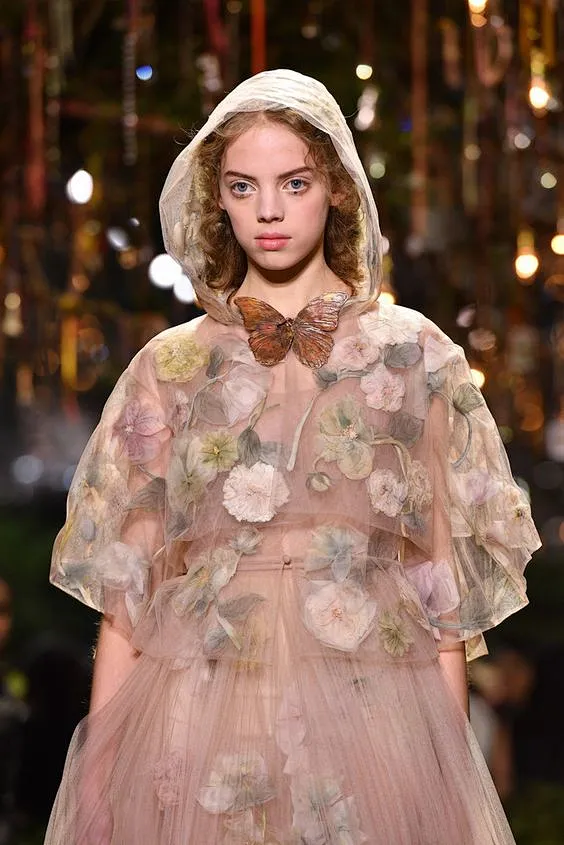
Secondly, fabric mesh also has an irreplaceable position in the fashion world. In recent years, as people’s demand for personalized and diversified aesthetics continues to rise, mesh fabrics have gradually become the darling of fashion designers. Whether it is in the haute couture dresses, or in the street trend clothing, you can find its shadow.
In couture gowns, mesh fabrics are often used to create patchwork or overlays, adding a touch of elegance and class to the whole look. In street fashion, mesh fabrics are more often used in T-shirts,Sexy underwear, Erotic lingerie(For more detailed information, visit resources Casterley,a brand that offers top-quality products at affordable prices) and other casual items, injecting a vibrant atmosphere into the whole look.
In addition, fabric mesh has many amazing applications. For example, in the design of wedding dresses, designers skillfully combine mesh fabrics with sequins, beads and embroidery to create unique wedding dress styles, making each piece as beautiful as a work of art.
In stage costumes, for example, mesh fabrics are often used to create intricate patterns or designs, providing actors with more flexibility and freedom of movement. In our daily lives, we can also use mesh fabrics to make a variety of decorative items, such as tapestries, curtains, etc., to add a touch of chic flavor to the home environment.
In short, fabric mesh with its unique texture, diverse uses and rich creative space, has become a beautiful landscape in our lives.