Lyocell Fabric 101: Eco-Friendly Textile Guide
In the fashion world today, sustainable textiles are crucial for a green closet. Lyocell fibers shine as a top eco-friendly choice, blending advanced tech with nature’s softness. It’s at the heart of greener fashion, with a tiny environmental footprint. It starts with renewable wood pulp, which turns into something amazing for both fashion leaders and brands.
Join us in a deep dive into sustainability with this guide. Learn why lyocell is the future for those mixing ethics with style. By looking at its eco benefits and how it’s made, we show you lyocell’s power. It’s kind to Earth and our skin. Let’s start this trip to responsible fashion and see how lyocell fibers in your line can lead in fashion’s sustainable change.
Key Takeaways
- Find out why lyocell is top in sustainable textiles.
- Learn where lyocell fiberscome from and their small eco footprint.
- See the unique making process that makes lyocell a great eco-friendly fabric.
- Check out why lyocell is key in making fashion more green.
- Discover how lyocell can show your brand’s dedication to being green.
what is lyocell fabric?
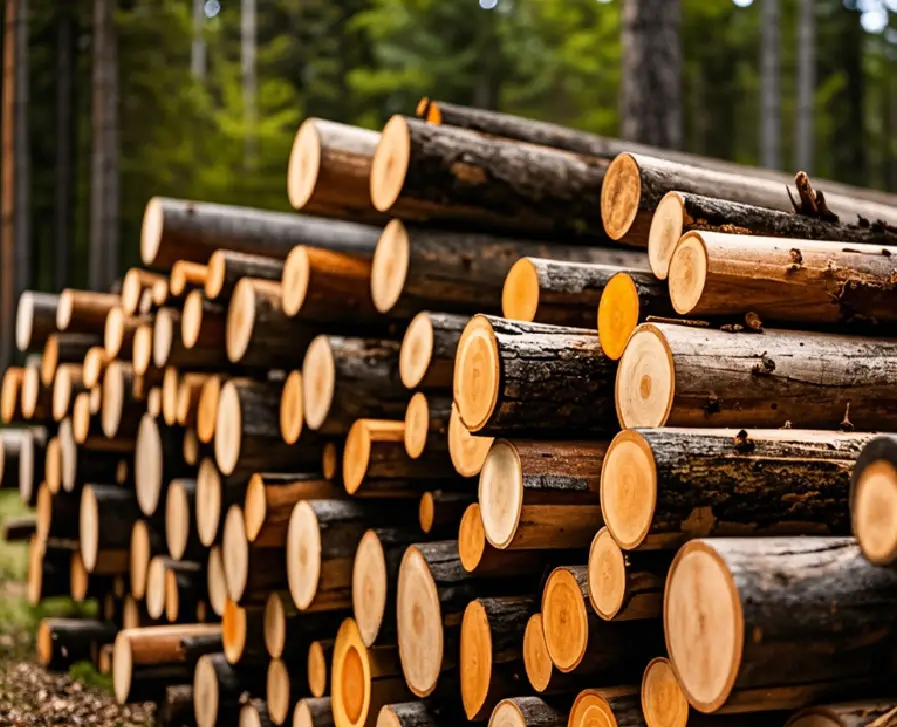
Lyocell is an eco-friendly semi-synthetic fiber made from wood, often eucalyptus trees. It comes from a natural material, but the process of making it uses some chemicals. These chemicals are recycled, so no harmful waste is produced.
Defining What Is Lyocell Fabric
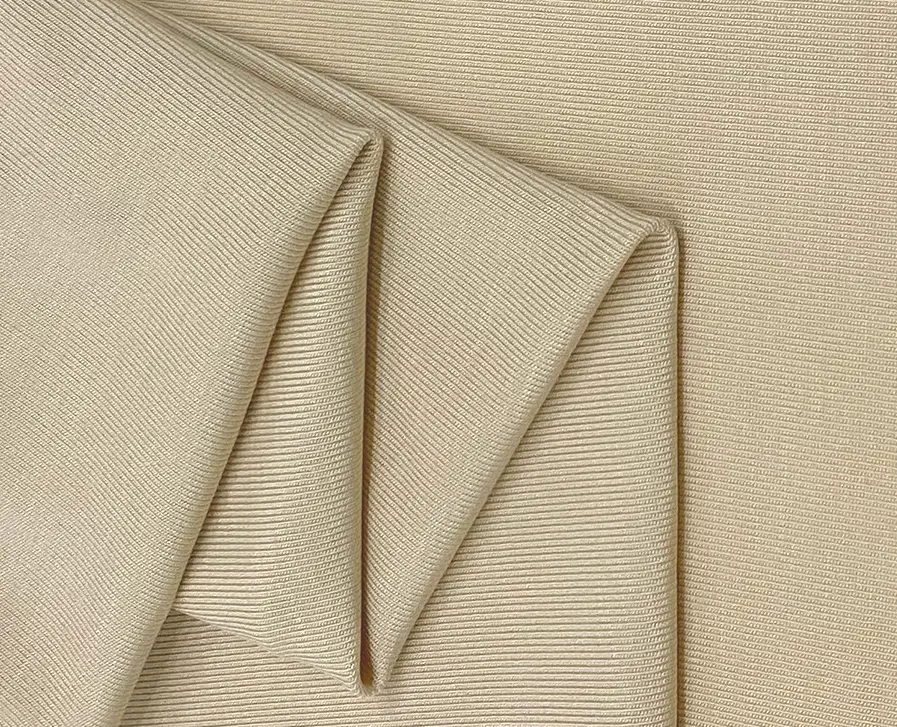
Lyocell is known for its smooth flow and silky feel. It’s often said to be as soft as silk but much tougher. Made from wood pulp, the fabric turns into yarn through a special process. It’s not only fancy to look at but also good for Earth.
The Sustainable Materials in Lyocell
The core of lyocell’s green credentials is in its raw stuff—wood pulp fibers. These come mainly from quick-to-grow trees like eucalyptus or bamboo. These trees don’t need much water or chemicals to grow. That’s why lyocell is a top choice for those who care about the environment.
The Process: From Wood Pulp to Textile
The lyocell manufacturing process sets a high bar for being planet-friendly. It all starts with getting wood pulp, followed by a clever method called dry jet-wet spinning. Let’s break it down:
- Preparation:Wood pulp gets dissolved in a safe solvent until it’s a smooth mix.
- Spinning:This mix is then forced through tiny holes to make fibers. These fibers solidify when they touch water.
- Post-treatment:After that, the fibers are cleaned and dried. These steps make them strong and absorbent, ready to be turned into lyocell fabric.
This process not only brings out a fiber known for its toughness and absorbency but also shows our promise to reduce harm to our planet.
Characteristics and Benefits of Lyocell
We’re happy to share why lyocell is a top choice in sustainable fashion. It’s strong, useful, and loved by people who want eco-friendly and gentle clothes.
Durability and Strength Compared to Other Fabrics
Lyocell is stronger than many fabrics, like cotton and polyester. It lasts longer, which means less waste. Clothes made of lyocell don’t need to be replaced as often.
This makes lyocell a great option for long-lasting fashion and daily outfits.
Moisture-Wicking Properties for Comfort
Lyocell’s ability to wick moisture away is highly valued. It’s breathable, making it perfect for both hot and cool weather. It’s also great for sports clothes or just for staying comfy and dry all day.
Hypoallergenic and Gentle on the Skin
This fabric is hypoallergenic, ideal for sensitive skin. It’s free from harsh fibers and chemicals. So, it’s soft and comforting, especially for those with allergies or skin issues.
Lyocell is a leader in eco-friendly and innovative textiles, thanks to its strong, moisture-wicking, and gentle properties.
Lyocell is key for eco-friendly and comfy clothing. It offers both top-notch quality and performance. Let’s choose lyocell for a greener and more caring fashion future.
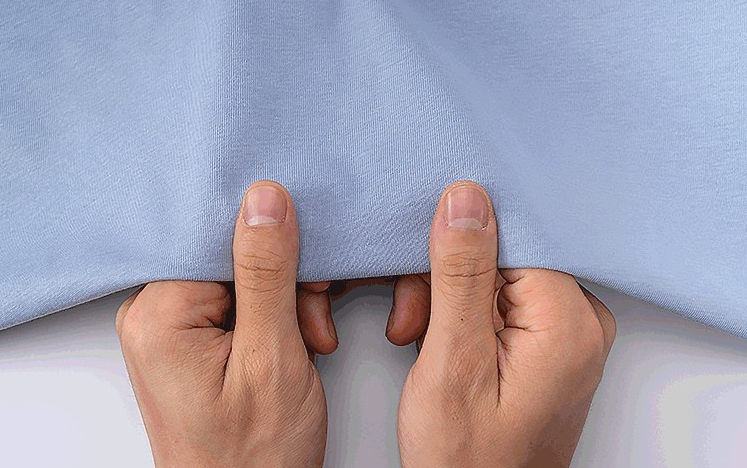
What is Lyocell Fabric: The Environmental Impact
Lyocell plays a big role in the sustainable textile industry. It’s known for its low environmental footprint. The fabric is efficient to produce and supports sustainable living. We will look at why lyocell is a top eco-friendly textile.
Lyocell’s production process is special because it wastes very little and avoids chemical runoff. This closed-loop process helps protect the environment. It uses biodegradable materials, meaning lyocell doesn’t harm our planet.
- Consumes less water and energy than traditional fibers
- Uses biodegradable chemicals, which break down in the environment
- Produces less waste and fewer emissions during manufacturing
Lyocell comes from wood pulp, which shows its natural, eco-friendly nature. It’s a leading low environmental footprint material. Using lyocell is key to moving the textile industry towards sustainability.
| Eco-Friendly Feature | Benefit |
| Low water usage | Reduces environmental strain on water resources |
| Chemical recapture technology | Limits toxic emissions and maximizes chemical reuse |
| Biodegradability | Ensures products decompose naturally, reducing landfill waste |
Choosing lyocell helps the sustainable textile industry grow. It leads us to a future where fashion cares for the planet. By selecting low-footprint materials, we commit to protecting the earth in style.
Comparing Lyocell to Other Eco-Friendly Fabrics
Let’s explore sustainable fabrics, focusing on how Lyocell compares with others. Each fabric has its own perks for eco-friendly fashion. They help make our planet cleaner and our clothes greener.
Lyocell vs. Organic Cotton: A Sustainability Showdown
Lyocell and organic cotton lead in eco-friendly fabric. But, Lyocell uses less water and no chemicals, unlike cotton. This makes Lyocell a greener choice because it’s gentle on our planet.
Bamboo vs. Lyocell: The Pros and Cons
Bamboo and Lyocell both start from nature. But their environmental footprints differ. Lyocell’s process is more eco-friendly, recycling nearly all chemicals. Bamboo’s method might use harmful substances.
How Lyocell Fits Into the Circular Economy
Lyocell shines in circular fashion due to its zero-waste potential. It can be recycled, reducing waste and leading to a greener textile industry.
| Fabric Type | Water Usage | Pesticide Use | Recyclability | Chemical Process |
| Lyocell | Low | None | High | Closed-loop |
| Organic Cotton | High | Low | Moderate | Varied |
| Bamboo | Moderate | Low | Low | Can be harsh |
Fashion and Functionality: Lyocell’s Place in the Textile Industry
Lyocell stands out in the sustainable fashion materials market. It brings together style and utility, making it a favorite in various fashion areas. It’s found in trendy clothes and tough work outfits, showing its wide use and charm. The fiber blends well with other materials, making it more valuable for creative designs.
Our company sees the value in using high-performance fabrics in today’s fashion. Lyocell’s flexibility extends to how it feels and its performance. It can join with other fabrics, improving strength, texture, and flow. We encourage brands to use innovative textiles for eco-friendly style.
Adding lyocell to your collection shows you care about high-performance fabrics. It also signals a move to innovative textiles that offer both fashion and green benefits. You see its use in everything from mainstream to luxury fashion, showing its wide acceptance.
- Sustainable fashion materials: Lyocell leads with environmental consciousness.
- High-performance fabrics: Exceptional durability and moisture management.
- Innovative textiles: Expands creative possibilities through its versatility and blendability with other fibers.
We work with fashion forward-thinkers who want to use sustainable resources. Together, we aim to create a fashion future that’s not only trendy but also good for the Earth.
Care and Maintenance: Prolonging the Life of Lyocell Textiles
We know how crucial care and upkeep are. They keep textile care tips working, make fabric last longer, and help sustainable fashion grow. By washing gently, we make lyocell fabrics last longer. Lyocell is one of the most planet-friendly materials we use.
Washing and Drying Tips for Lyocell Fabrics
To keep lyocell fabric’s quality and make it last, it’s vital to follow certain washing tips:
- Always choose a gentle cycle with cold water to reduce damage and shrinkage.
- Use gentle, eco-friendly detergents to keep the fabric looking bright and fresh.
- Skip fabric softeners because they have chemicals that harm the fabric over time.
- To dry, spread it flat or hang it up. High heat in dryers damages the fabric.
Ironing and Storage Recommendations
Ironing the right way and storing properly are key to keeping lyocell clothes looking good:
- Iron with a moderate heat setting. Using a pressing cloth protects the fabric.
- Keep lyocell clothes in a cool, dry spot away from sunlight to avoid fading.
- Fold them carefully with acid-free tissue to prevent creases and keep their shape.
Dealing with Stains and Repairs
Acting fast on stains and fixing damage carefully makes lyocell textiles last longer:
- Use gentle, eco-friendly stain removers right away to prevent the stain from setting.
- Avoid hard scrubbing. It harms the fiber. Dab lightly on any stained spot instead.
- For big damages, get professional repair to ensure the fabric is cared for properly.
By sticking to these care instructions, fashion leaders can keep their lyocell items in top shape. This way, garment use and fabric life are maximized.
| Care Aspect | Recommendation |
| Washing | Gentle cycle with cold water, mild detergent |
| Drying | Lay flat or hang dry, avoid high heat |
| Ironing | Moderate temperature, use pressing cloth |
| Storage | Cool, dry place, use acid-free tissue for folding |
| Stain Removal | Immediate treatment with gentle stain remover |
| Repairs | Seek professional services for significant damage |
Conclusion
As we wrap up our journey into Lycell’s world, it’s clear it’s more than a fabric. It’s key for eco-friendly fashion. Lyocell leads this charge with its blend of green practices and top-notch textile performance. It’s perfect for those fashion leaders who value both the planet and quality.
Lyocell is pushing textiles towards a greener tomorrow. We’re certain it can make fashion brands more eco-conscious. By choosing Lyocell, brands show they’re serious about sustainable materials. This matches their commitment to quality and caring for the earth.
The fashion world faces a lot of environmental criticism. Using Lyocell is a big move towards better fashion practices. We’re excited to join forces with innovative brands and wholesalers who believe in Lyocell. Together, we’re creating a greener, more sustainable fashion future. This matches what mindful shoppers worldwide want.
FAQ
What exactly is lyocell fabric and why is it considered eco-friendly?
Lyocell fabric comes from wood pulp, mostly from eucalyptus trees. It’s eco-friendly because it’s biodegradable and its production is energy-efficient. It uses less water and its closed-loop system reduces waste.
Can you explain the lyocell manufacturing process?
Sure! The process starts with wood pulp fibers. Through dry jet-wet spinning, these fibers become strong and versatile. This method keeps the environmental impact low by minimizing chemical waste.
How does lyocell compare in durability and strength to other fabrics?
Lyocell beats many traditional fabrics like cotton and polyester in durability and strength. Clothes made from lyocell last longer. This saves money and is better for the planet.
What are the benefits of lyocell’s moisture-wicking properties?
Lyocell keeps you dry and comfortable by pulling moisture away from the skin. This makes it perfect for activewear and everyday clothes.
Why is lyocell recommended for sensitive skin?
Lyocell is hypoallergenic and stays soft without harsh chemicals. It’s great for sensitive skin because it prevents irritation.
What impact does lyocell have on the environment?
Lyocell’s impact on the environment is relatively low. It needs less water and energy to produce. Being biodegradable, it supports sustainable fashion by reducing waste.
How does lyocell fare in comparison to other eco-friendly fabrics like organic cotton or bamboo?
Compared to organic cotton, lyocell saves water and uses fewer pesticides. It’s better than bamboo because of its sustainable chemical solvents and efficient production.
What role does lyocell play in the circular economy?
Lyocell is perfect for the circular economy due to its recyclability and sustainable use. It supports the zero-waste goal by lessening the need for new resources and impacting landfills minimally.
Can lyocell textiles be part of high-performance fashion applications?
Yes. Lyocell blends beauty with functionality. It’s suitable for high-fashion and performance gear, providing both style and durability.
What are the best practices for caring for lyocell textiles?
Caring for lyocell means being gentle. Use mild detergents and gentle cycles, and dry naturally. Iron at moderate heat with a pressing cloth. For stains or damages, go for spot treatment or professional help to extend its wear.