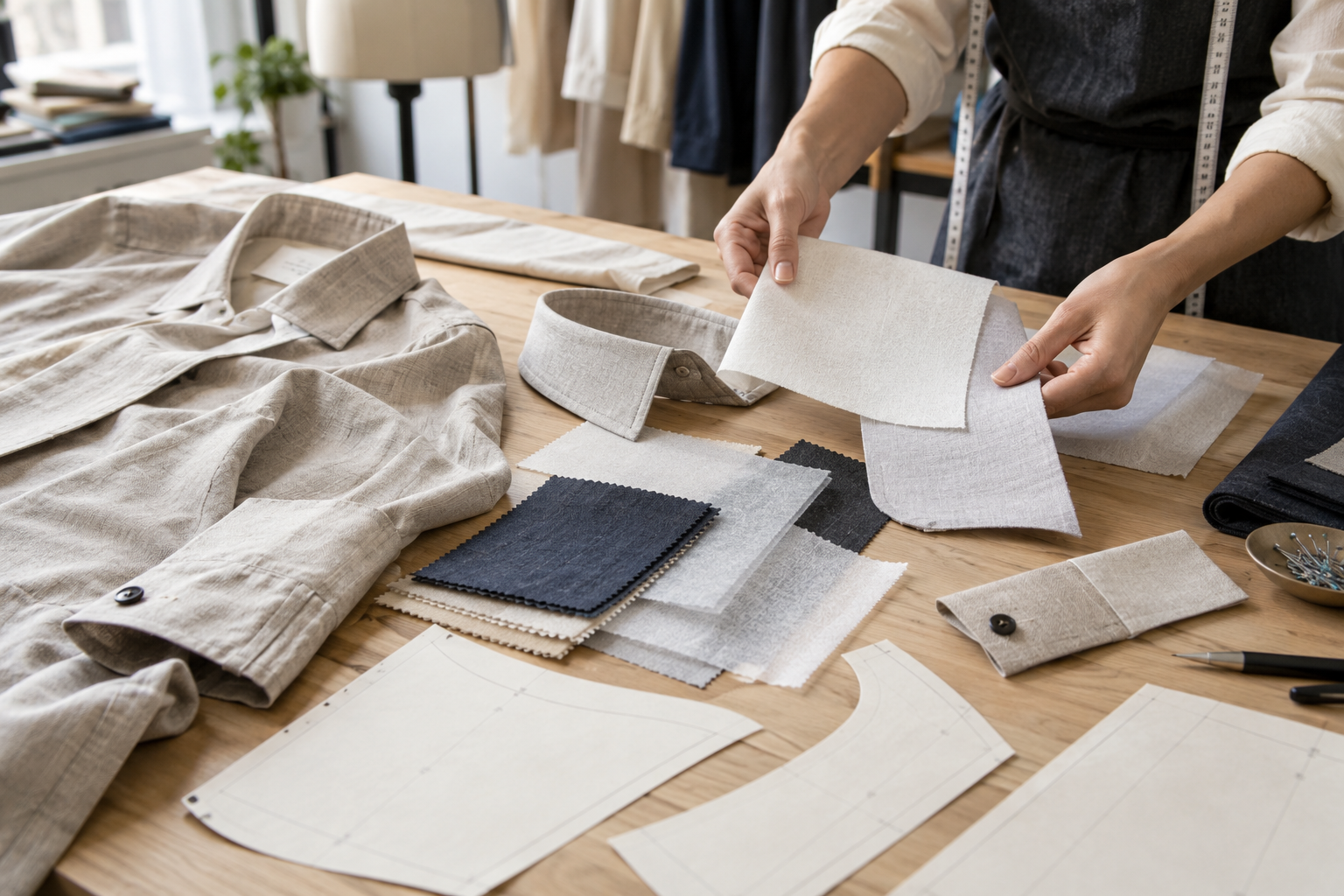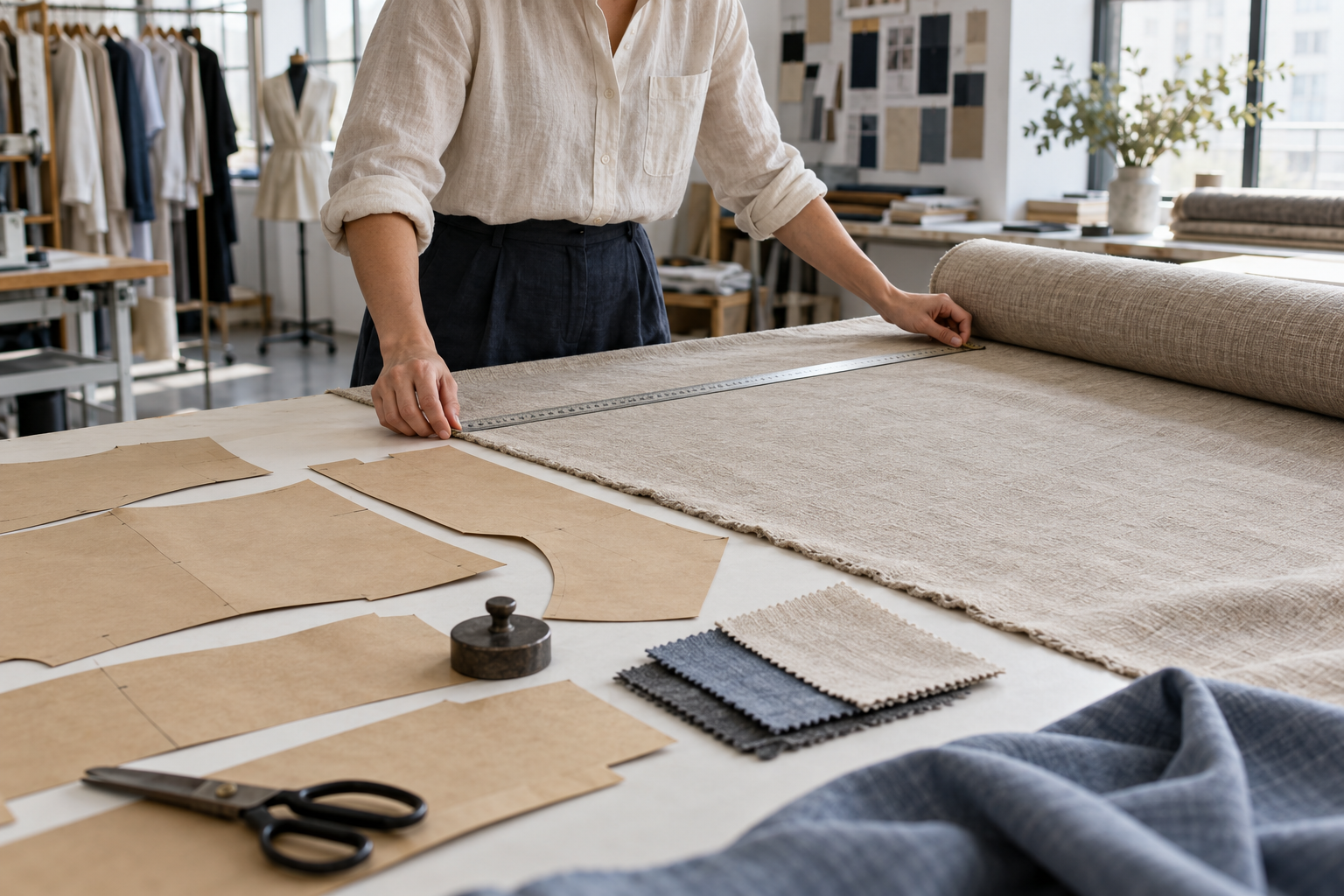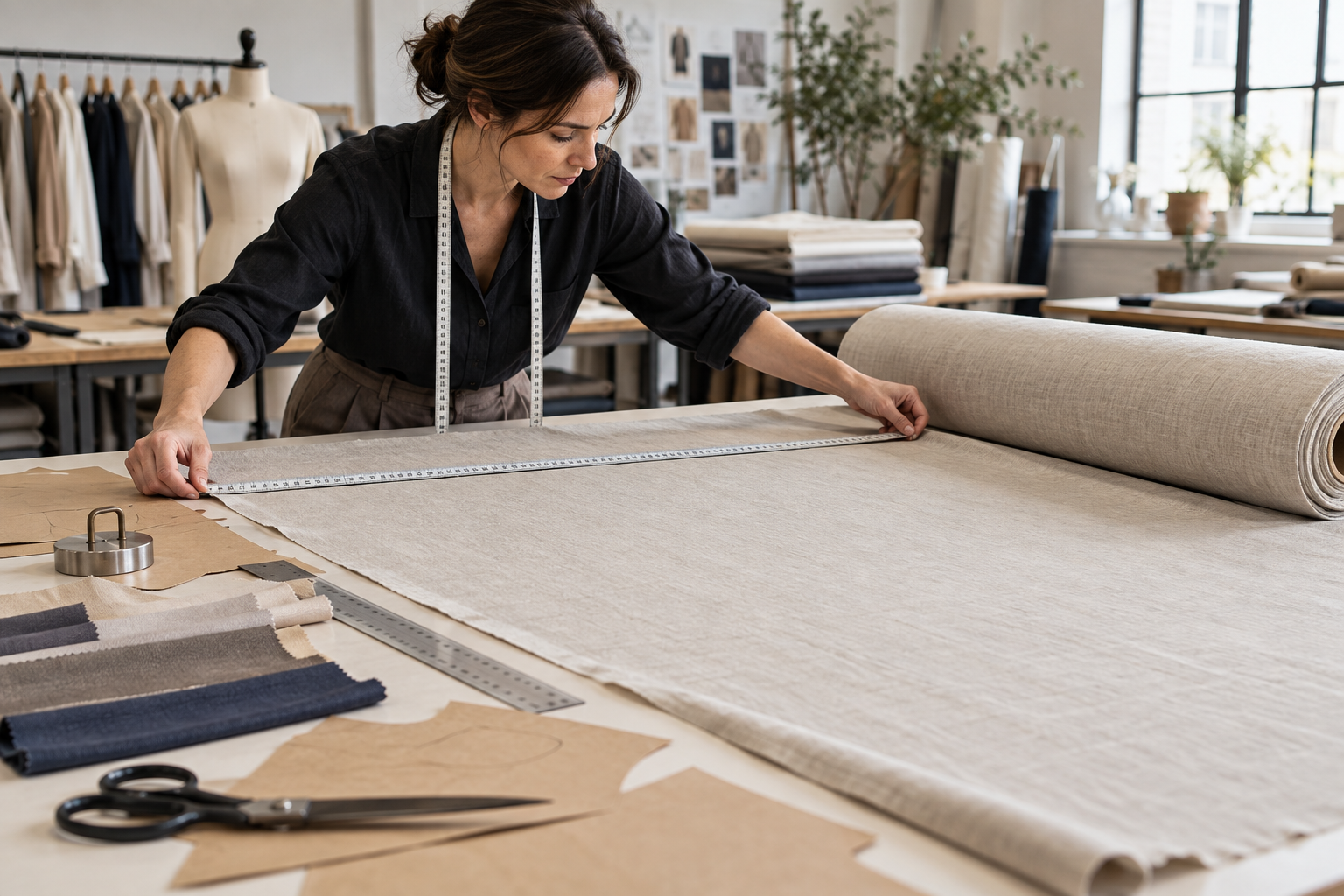
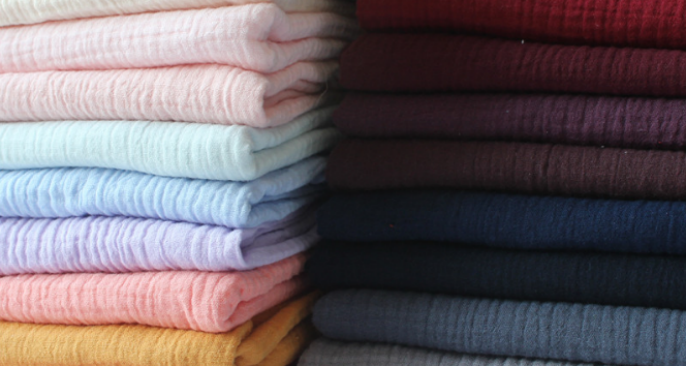
Known for its unique crisp and wrinkled texture,crepe fabric has long been a favorite among fashion designers and fabric lovers. This versatile material with its pebble-like surface is not a single type of fabric, but encompasses a wide variety of fabrics made from different fibers, including silk, wool,polyester,and other synthetic fibers. This article delves into the world of crepe fabrics, including their history, how they are made, their various types, uses, and care.
History and Origin
The word”crepe”is derived from the French word “crêpe,” meaning a thin, wrinkled fabric. Historically, crepe fabric has often been associated with mourning, especially during the Victorian era,when black silk crepe was a staple of mourning attire.Overthe years,however,crepe has transcended its humble origin sand become a fabric admired for its elegance and versatility in a variety of fashion settings.
How It’s Made
Crepe fabrics are usually made using a weaving or knitting technique in which high-twist yarns are used for both the warp and weft. The strong twisting of the fibers creates wrinkle sand unevenness in the fabric, giving it a unique texture. This texture can be further enhanced by chemical treat mentor the application of heat and pressure.
Types of Crepe Fabric
There are many types of crepe fabrics, each with its own unique texture and characteristics. The most popular are the following:
- Silk Crepe:aluxurious,delicately lustrous silk crepe, ideal for evening and wedding
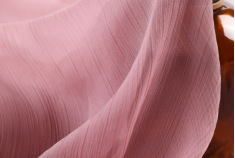
- Woolcrepe:known for its warmth and durability, wool crepe is often used to make suits and warm.
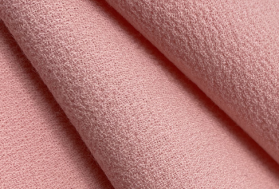
- Polyestercrepe:affordable and easy to care for, polyester crepe is widely used in everyday fashion.
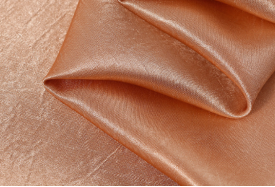
- Crepe de Chine: lightweight type of crepe made of silk or synthetic fibers, ideal for blouses and dresses.

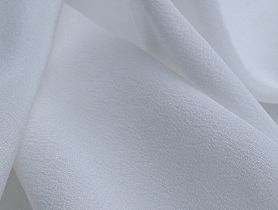
- Georgette Crepe: similar to crepe de chine but with a slightly fleecy surface, crepe georgette is sheer and lightweight, making it ideal for layering dresses and scarves.
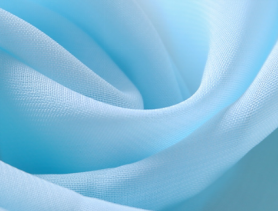
Uses of Crepe Fabric
Because of their varied texture and weight, crepe fabrics are surprisingly versatile and can be used to sew a wide range of garments, including
Dresses and gowns, especially those that required rape and fluidity.
Lightweight, breathable blouse sand shirts.
Pant sand suits, where a more structured crepe adds elegance and comfort.
Scarves and accessories can be made of sheer crepe for a touch of sophistication.
Care Instructions
The care of crepe fabrics depends on the fiber content. Silk and wool crepes require gentle handling and dry cleaning is often recommended to preserve their texture and color. Polyester crepes are stretchier and can usually be machine washed on the delicate cycle. Regardless of the type, it is important to read the care instructions on the label.
In conclusion, crepe fabrics have long been a favorite in the fashion industry due to their rich history, versatility, and unique texture. Whether you are attracted to the elegance of silk crepe, the warmth of wool crepe or the practicality of polyester crepe, there is no denying the unique charm and appeal of this crumpled fabric.