In the field of clothing, chinos pants occupy a place with their unique charm. Let’s explore the origins of chinos, their characteristics, the manufacturing process, and how they differ from other pants, and learn about their advantages and disadvantages.
Origin
The history of chinos pants goes back a long way. They were first mentioned by American soldiers stationed in the Philippines in 1898. During the Spanish-American War, soldiers wore uniforms made of twill fabric sourced from China, and in order to keep costs down on a limited budget, the soldiers modified their pants by doing away with pockets and narrowing the legs, creating stylish and breathable chinos. These pants became known as “pantalones Chinos,” Spanish for Chinese pants, and later became popular around the world as the soldiers returned home.
Characteristics and features
- Material Characteristics
Twill cotton fabric has a unique twill texture, which not only increases the beauty, but also makes the pants more wear-resistant. It is moderately soft, comfortable to wear, and has good breathability, so you can always stay dry when wearing them.
- Design features
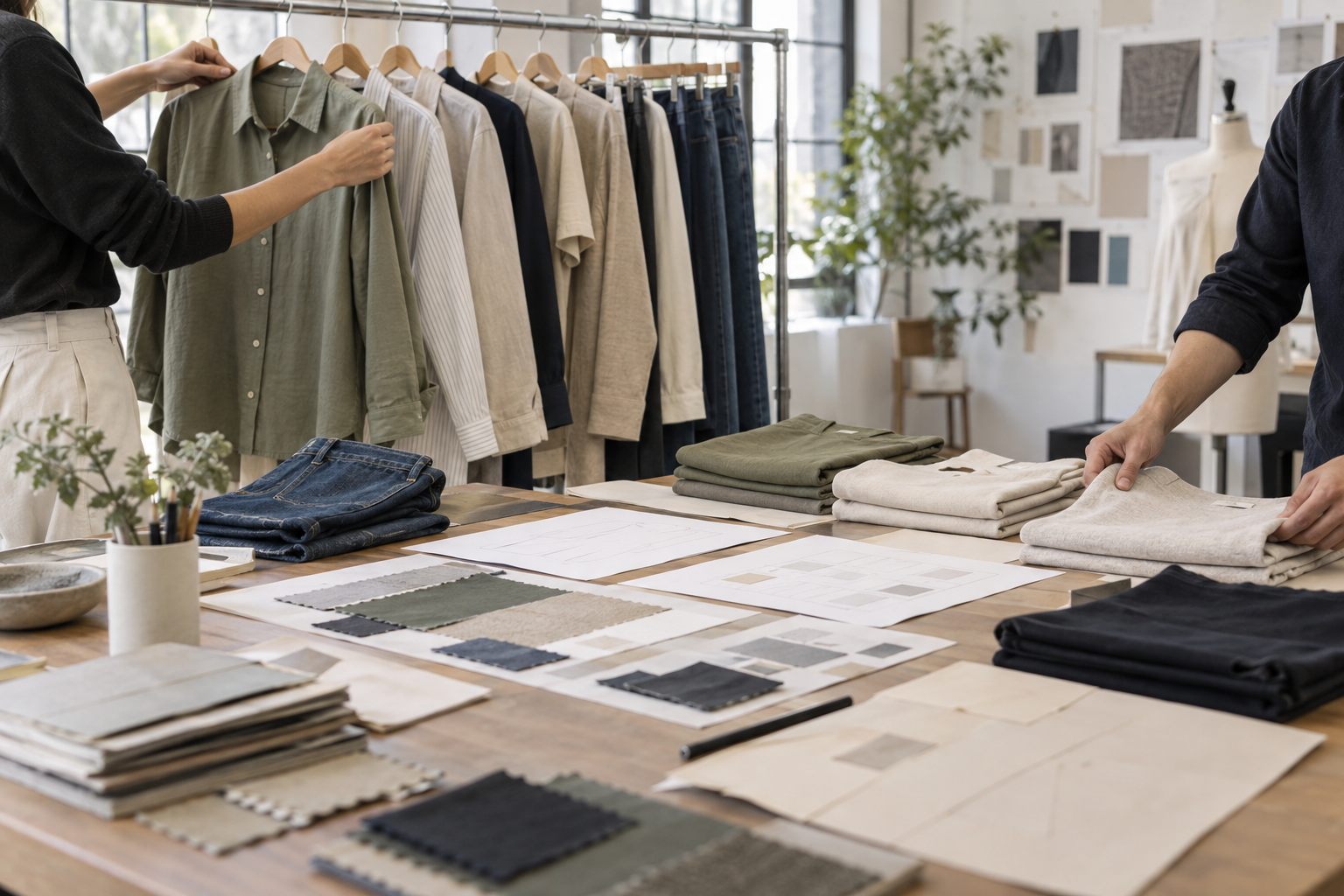
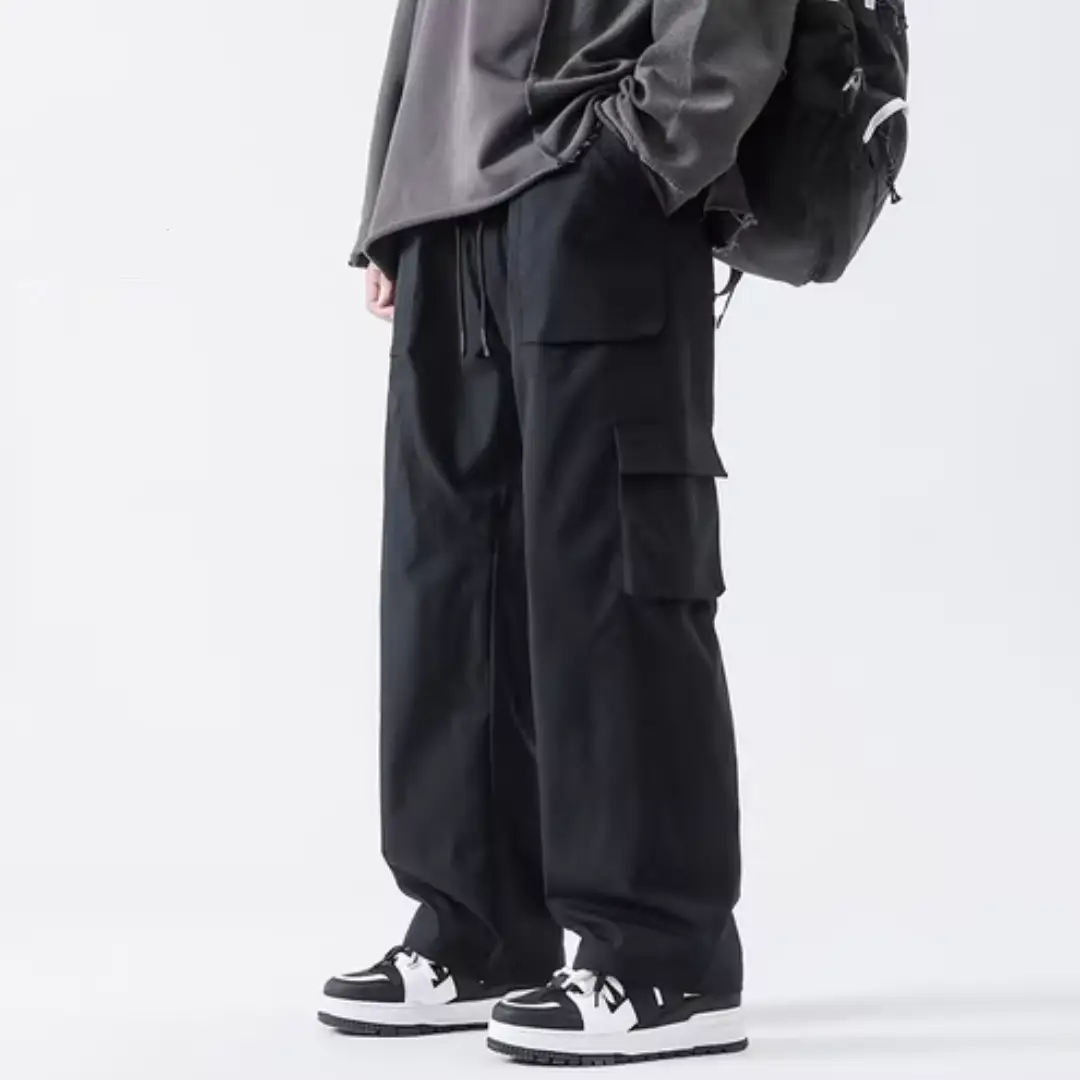
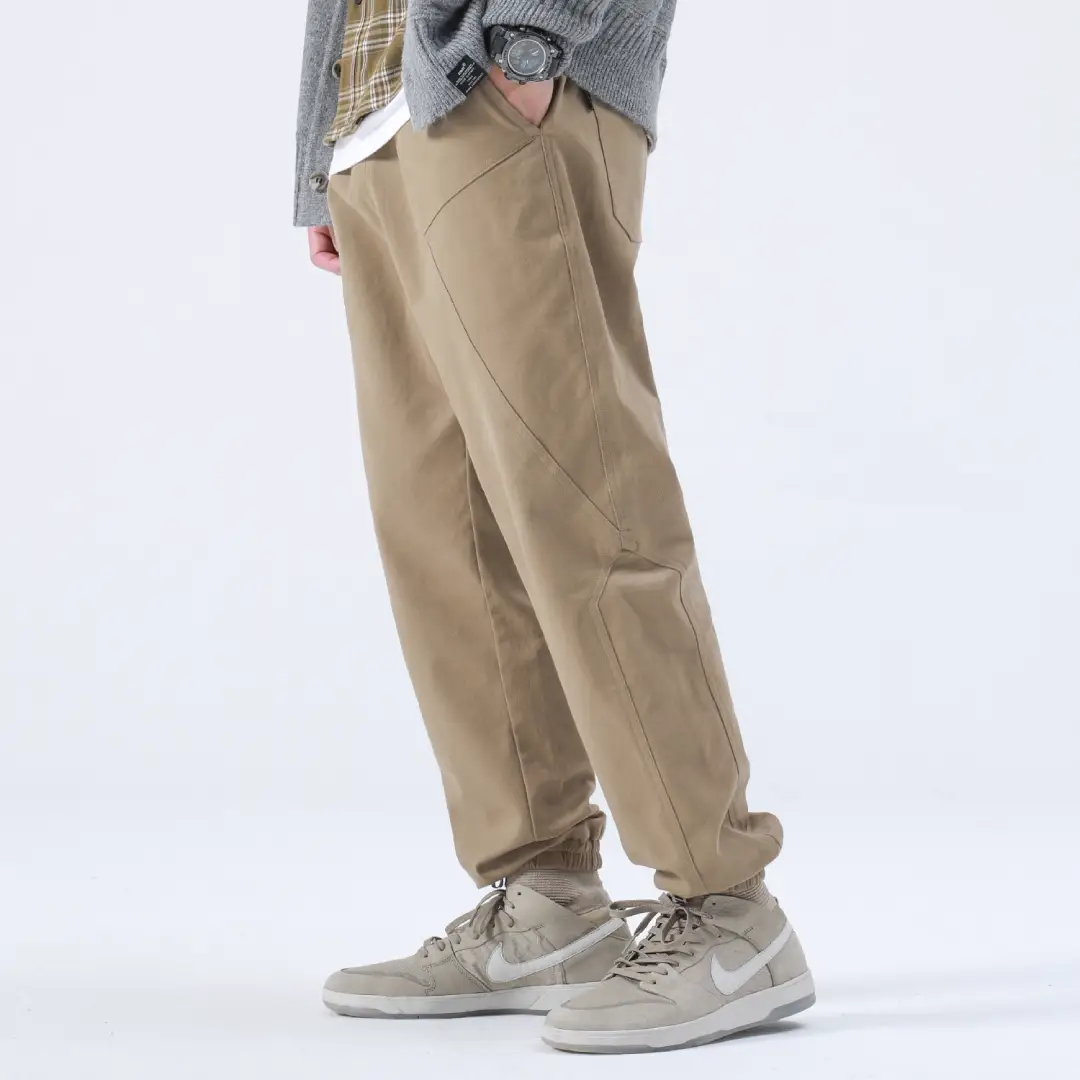
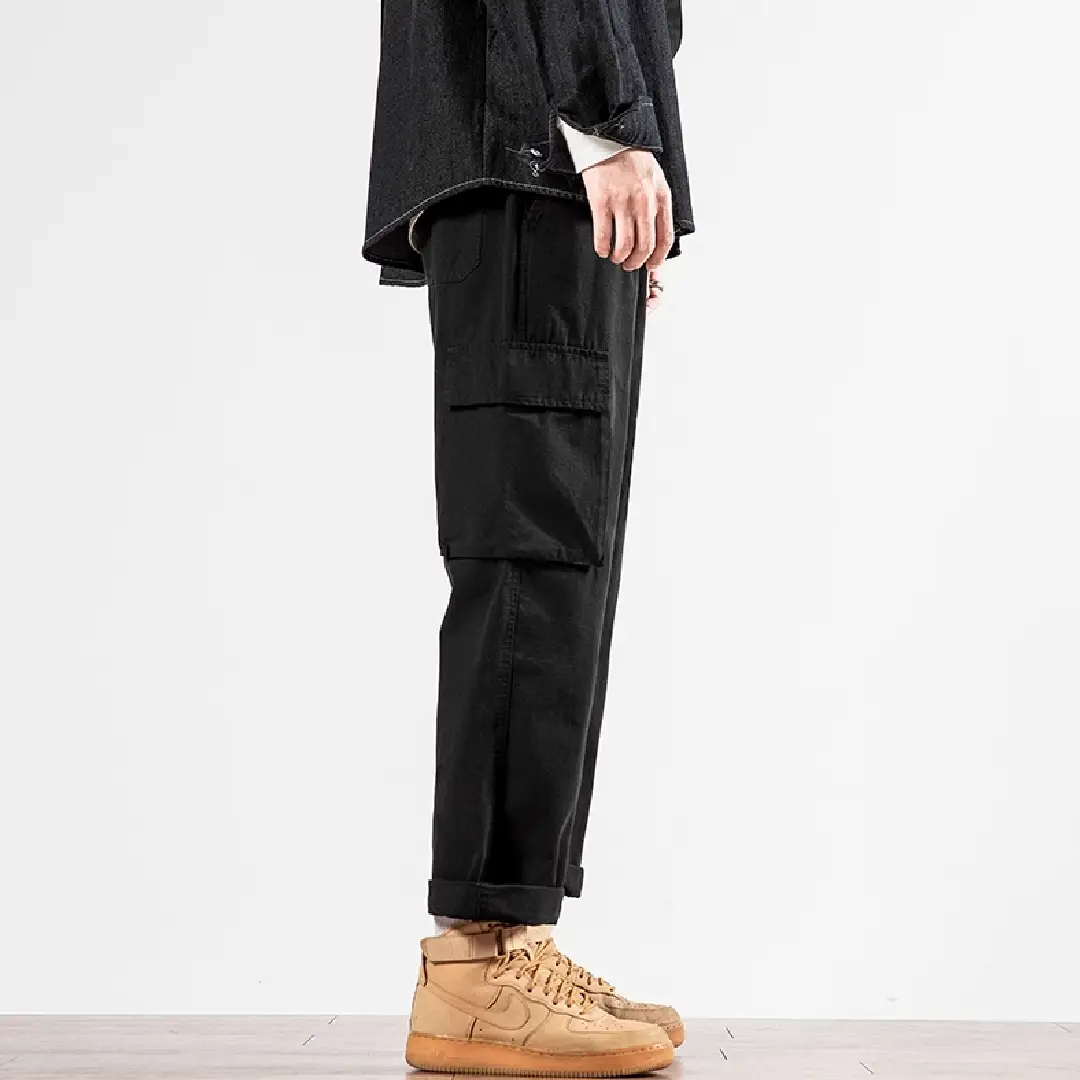
With the pursuit of people’s most fashionable, twill pants have also been developed in different styles, including straight, slim, wide-leg, etc. Because twill has a better coloring effect, it can be dyed with different dyes, from the classic blue, black to a variety of colors, which provides more choices for people to match.
Manufacturing and production process
The manufacturing process of chinos usually includes the following steps:
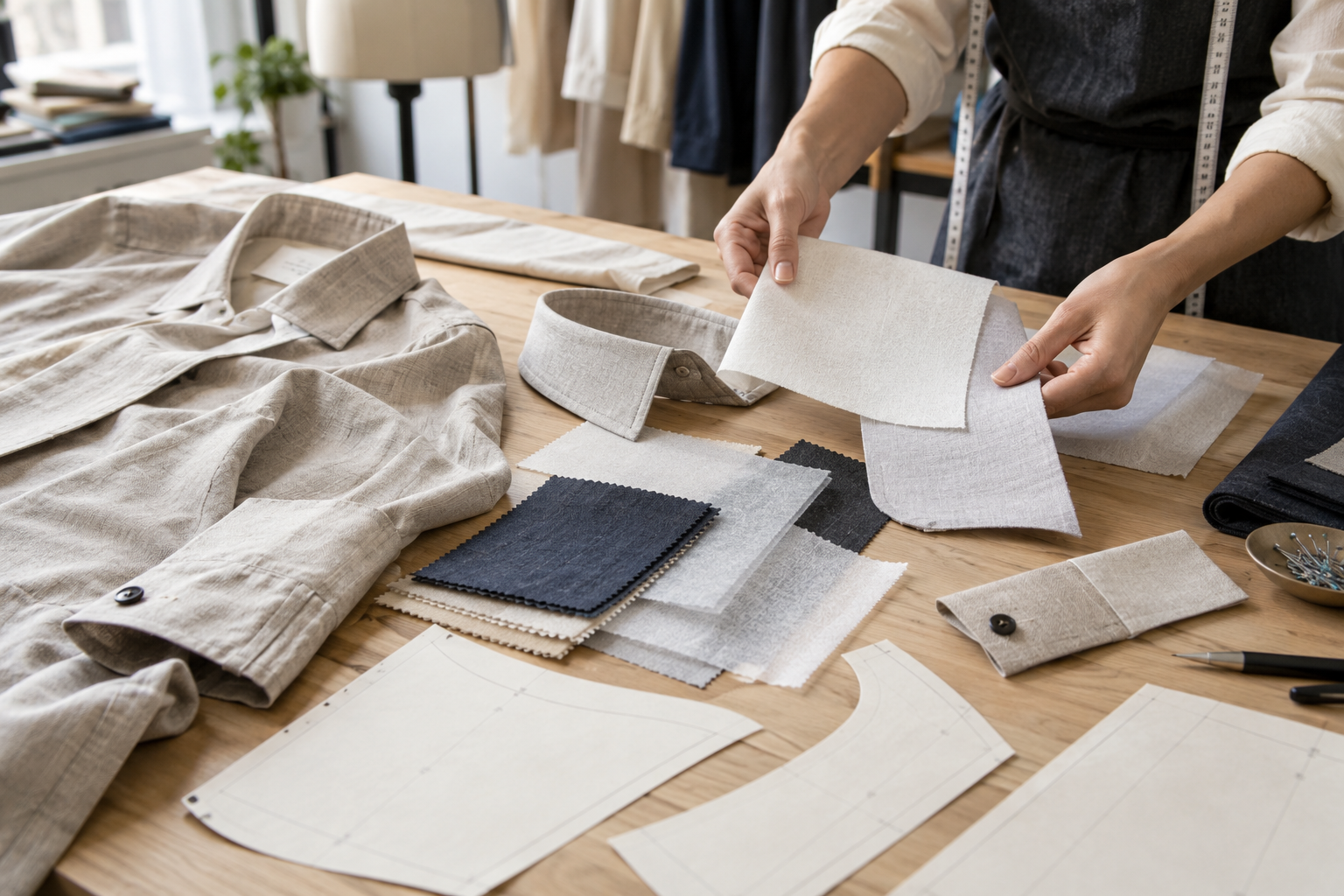
- Fabric Selection: When purchasing fabrics, the garment manufacturer will observe whether the hand feel of the fabrics are soft, observe that there is no burlap in the twill texture, pick the right thickness, and select the most compatible fabrics for the customer’s design.
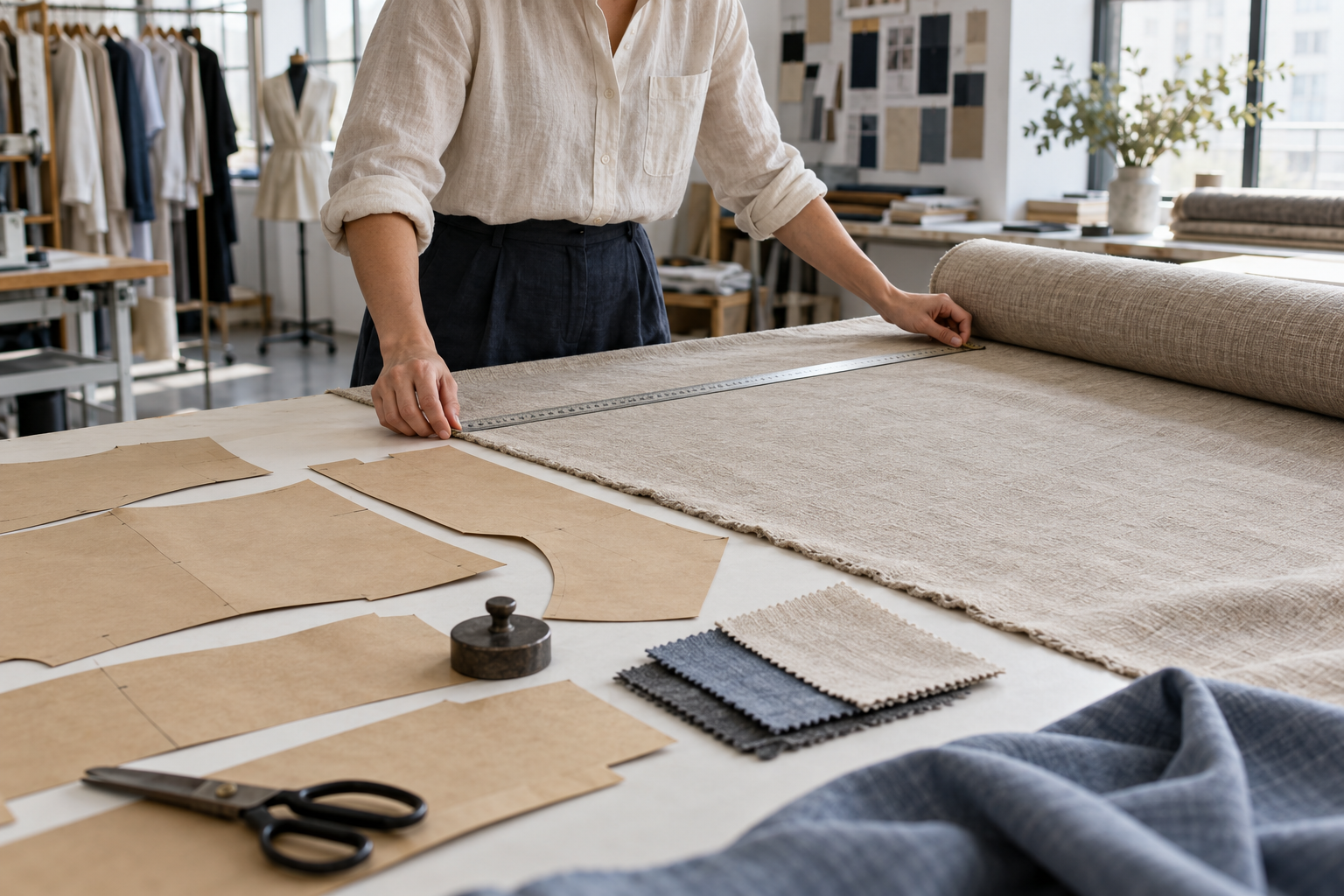
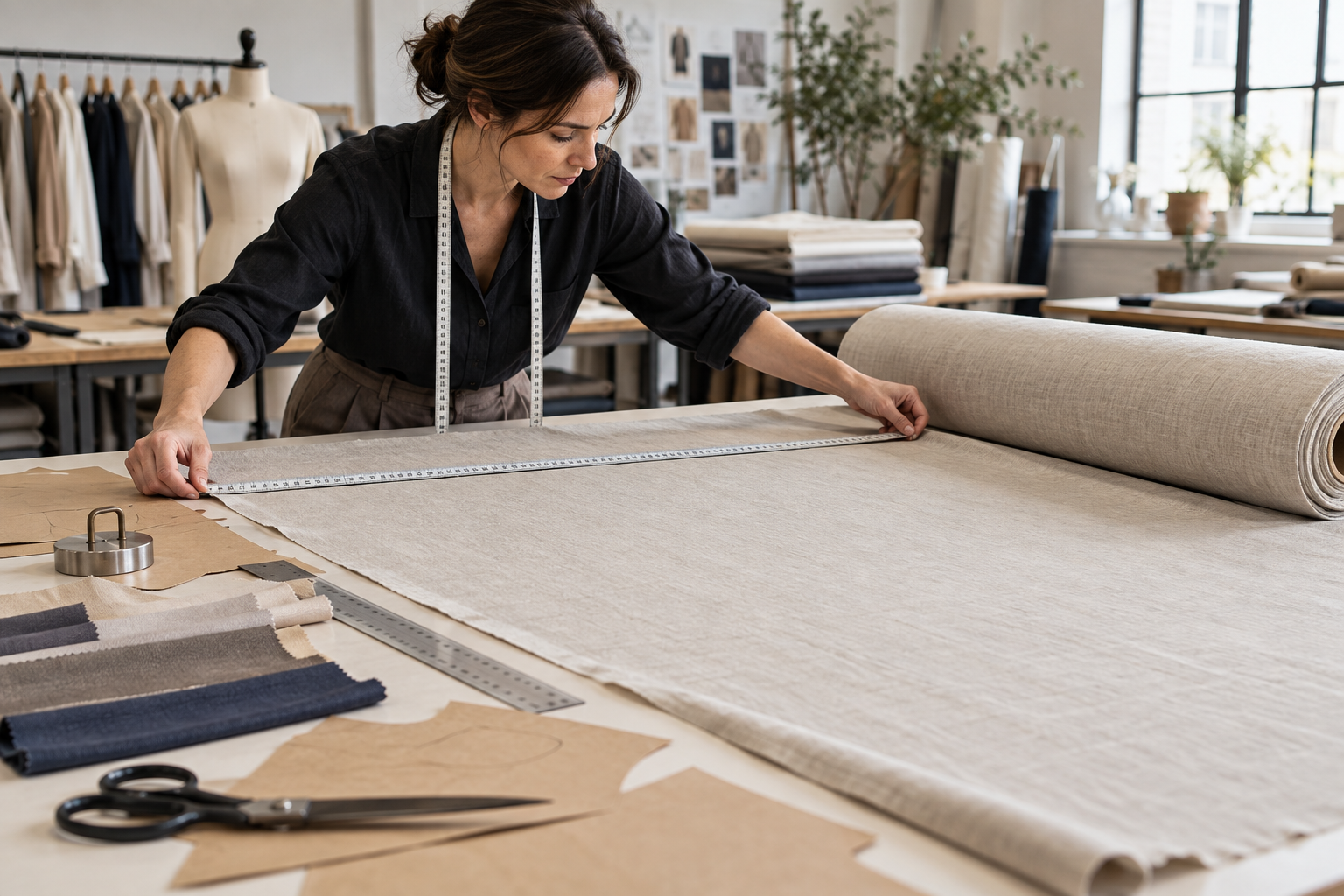
- Cutting: The cutter will print out the design from the designer’s drawing on the UV Printer and cut out each part that needs to be sewn. This process needs to be very precise to make sure that each part of the pants fits together perfectly.
- Sewing: Once the cutting is done, it’s time to sew. Sewing is a very important step in the manufacturing process of chinos, which is directly related to the quality and appearance of the pants. During the sewing process, focus on one stitch at a time to ensure that the stitching is even and firm, and there will be no problems such as unstitching.
- Ironing: After sewing, twill pants need to be ironed, the workers will use an Low pressure die casting iron to iron the pants, ironing can make the pants more flat, beautiful, but also can remove some of the folds produced in the sewing process.
- Quality control: Finally, chinos need to go through a strict quality control process. Quality inspectors will check all aspects of the pants, including fabric quality, sewing process, size, appearance and so on. Only the pants that pass the quality inspection can be put on the market.
Differences with other pants
Compared with denim pants
- Material differences: denim is usually stiffer, while chinos are softer and more comfortable. The color of denim is relatively single, mainly blue-based, while the color of chinos pants is more colorful and diverse.
- Difference in style: denim pants give people a casual, uninhibited feeling, suitable for casual occasions. chinos pants are more elegant and fashionable, and can be worn on casual occasions as well as on formal occasions with appropriate tops and shoes.
- Maintenance differences: denim pants are relatively more resistant to dirt, do not need to wash often. Twill pants, on the other hand, need to be maintained more carefully to avoid stains and wear and tear.
Compared with Western-style pants
- Formal degree of difference: Western-style pants are usually the choice of dress for formal occasions, with a high degree of formality. Chinos are more casual, suitable for daily wear and some informal occasions.
- Difference in style: The style of suit pants is relatively fixed, mainly straight and slim. The style of chinos is more diverse, with straight, slim, wide-leg and other options.
- Difference in material: the fabric of the pants is usually smoother and has a better texture. The fabric of chinos pants is softer and has a certain texture.
Pros and Cons
Advantages
- Breathable: the good breathability and soft touch of twill makes twill pants very comfortable to wear, even in hot weather, it will not make people feel stuffy.
- Fashion: chinos pants come in a variety of styles and colors, which can be easily matched with various tops and shoes to create different fashion styles. Whether casual or formal, chinos can find their place.
- Wear-resistant: Twill has good wear resistance and can withstand the test of daily wear. Compared with some other fabrics, chinos are more durable and not easy to wear out.
Disadvantages
- Easy to wrinkle: chinos pants are relatively easy to wrinkle and need to be ironed often to maintain a flat appearance.
- Fading problem: Some chinos may fade in the washing process, especially some pants with darker colors. Therefore, you need to pay attention to choosing the right detergent and washing method when washing chinos.
All in all, chinos have a unique charm and value as a classic choice that is both fashionable and functional. Its origins are full of stories, characteristics and features that make it stand out from the crowd of pants with a fine and rigorous manufacturing and production process. Although it has some disadvantages, the advantages are even more obvious. Whether in daily life or special occasions, chinos can bring you a unique fashion experience. Let’s wear chinos together and show your personality and charm!