Whether a fashion brand can win the favor of the market largely depends on whether it can establish a solid and close cooperative relationship with excellent clothing manufacturers! This directly affects the product cost control and quality performance and other key business links. The numerous garment manufacturers all over the world undoubtedly provide a rich and diverse choice space for the vast number of entrepreneurs who desire to have high-quality products.
With the product idea and business goals in place, what’s the next step? Don’t worry, please follow the detailed steps below, let’s find out the answer!
1.Start searching for the right clothing manufacturer requirements
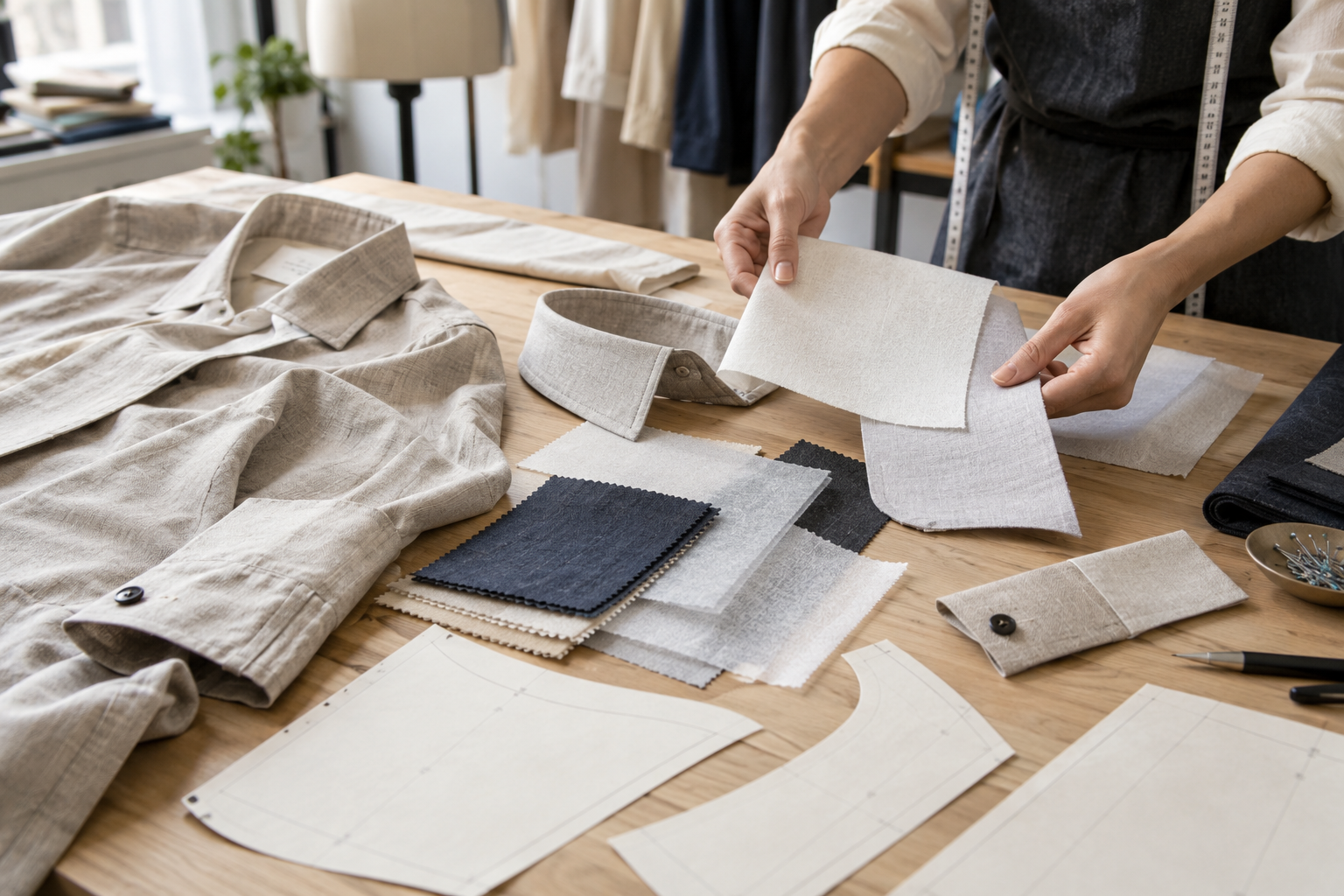
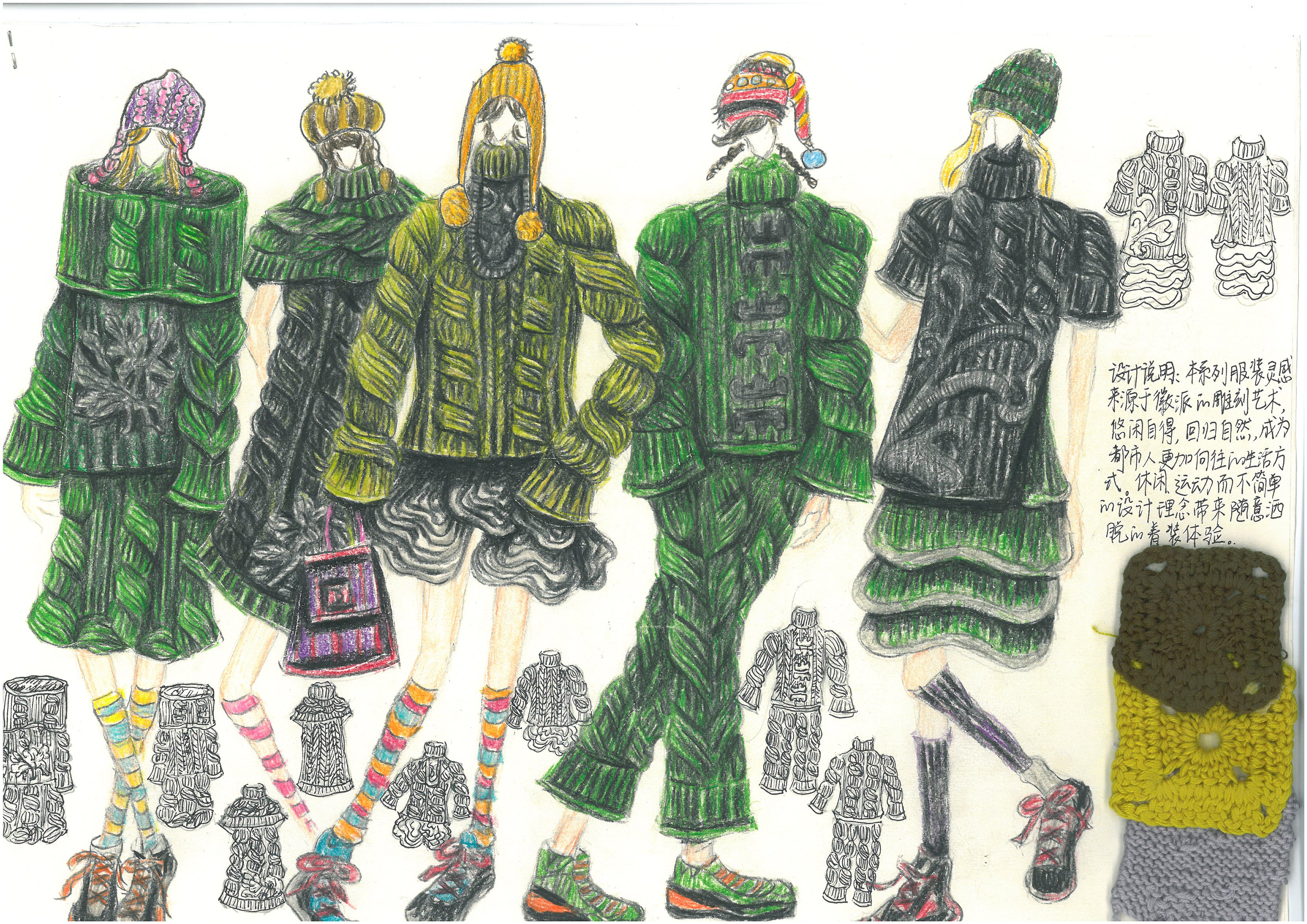
On the long road to finding a manufacturer, it’s important to know what kind of manufacturing partner you need! Many entrepreneurs often misunderstand in the process of looking for manufacturers, thinking that as long as the factory is found, it is done, and the design, procurement of raw materials and production can be handled single-handedly. However, not all plants have full service capabilities and you will most likely need to find design partners, materials partners and manufacturing partners separately. Design partners who can help you turn your initial ideas into elaborate patterns and further into precise technical drawings;
Sourcing partners can help you find fabrics, hardware and other components to meet your product needs; Finally, a manufacturing or construction partner will be responsible for producing or building your product to get it in front of consumers.
In order to find the right manufacturer for your business, you need to prepare well in advance:
(1) Gather detailed information about your product and brand goals, and approximate your budget range.
(2) Determine what functional services you need from the manufacturer. For example, do you need a full production service or just a single service such as cutting, manufacturing and trimming?
(3) Set a reasonable time limit and prepare accordingly to adjust its work schedule according to the busy situation of the manufacturer.
(4) Determine the production scale of the product.
(5) Prepare a technical document package, covering product sketch, construction details, measurement specifications and bill of materials.
(6) Prepare a working prototype or sample of the product, or negotiate with the manufacturer for production.
2.Start looking for clothing manufacturer essentials
Where to search for clothing manufacturers
Once you’ve crafted a realistic business plan and have an in-depth understanding of your company’s needs, it’s time to start looking for a manufacturing partner! If you are looking for a partner in apparel manufacturing, it is important to be familiar with some key terms that will help you understand the production process
Once you have mastered all the industry jargon and technical vocabulary, you can begin your search in the Internet world. Online catalogs are undoubtedly one of the ideal places to find manufacturers. Thousands of manufacturers, suppliers and wholesalers can be found in such catalogues. Maker’s Row, for example, is a great platform for making the manufacturing process easy to understand and accessible, and is a good example of an online catalog. In addition, you can find potential partners on the major social media platforms, follow their news, and try to reach out to them. You can improve your search efficiency with the help of hashtags and keywords related to your search terms
Attending trade shows is also an effective way to find manufacturers. The biggest advantage of attending such events is the opportunity to meet with factory representatives face to face. You can ask for specific questions such as development costs, minimum order quantity of yards/pieces, logistics distribution and payment terms. At the same time, this is a great opportunity to discuss your production needs with them and determine whether their factory is the best fit for your brand positioning
5 tips for reviewing clothing manufacturers
When you first establish contact with a factory, be sure to clearly tell them who you are and what your brand values. Try to keep the conversation short and concise. Just mention your name, your main product, and the new product you’re looking to make. If you need a detailed quote from the manufacturer, don’t forget to include a complete technical kit. If you have not yet prepared the technical kit, then elaborate on your planned production product solution! But before you do, remember these from the bottom of your heart:
Don’t put yourself in a difficult position, because it is a big mistake to ignore key information before deciding to work with the manufacturer! When a potential supplier contacts you proactively, be sure to dig deeper and eliminate the following possible risk factors:
- A thorough review of their official website.
- Verify if they sell products similar to yours.
- Pay attention to their English communication skills.
- If you find their address, be sure to check that it matches the supplier’s information. For example, a factory with 500 machines would never be located in a place like “Room 501 of the XYZ building.”
- Is their phone number real and valid? Just call to confirm.
- Search for them in the online world. Especially valuable feedback from consumers.
- Check if they are a valued member of the B2B site and when they joined. This information is usually easily available on major websites. Of course, we are not encouraging you to avoid vendors who have been members for a short time, but you need to ensure that there is a reasonable correlation between a vendor’s membership time and its legitimacy.
Rigorous review of reports and certifications!
Many buyers, especially those with large brands and retail giants, often require site visits to their new suppliers to ensure that they can meet the strict requirements of buyers. This type of audit usually involves a thorough examination and verification of company information, product information and employee information to ensure that they are fully consistent with the content expected by the purchaser.
Ask your supplier about past audits and ask if you can review the audit report. Those reputable supply agreements will provide you with this convenience. However, if other brands paid for the report, the vendor may not be able to share the information due to trade confidentiality concerns.

However, when facing audit reports, it is important to keep the following points in mind:
- Not all suppliers have been subjected to rigorous reviews by buyers. So a lack of reporting is not necessarily a harbinger of danger. These audits are usually carried out only by larger purchasers.
- If the supplier provides you with an audit report, be sure to carefully check that the name on the report matches the actual situation of the supplier. This includes details such as addresses, phone numbers, and websites. It is well known that some dishonest suppliers may “borrow” a report from a friend in another factory. We’ve had cases like this before.
- The fact that the factory name of the supplier you contact during the audit process is not necessarily a red flag. Suppliers often collaborate with other businesses. However, be sure to ask the factory for a signed letter (paper version) confirming that they do have a relationship with your supplier. Your supplier should have no doubt when producing this product.
In some exceptional cases, the audit report may reveal inconsistencies, such as addresses. Be sure to consider the release date of the report. The supplier may have relocated. Also, if something doesn’t seem right or you have doubts, go ahead and question it!
When choosing a supplier, some type of industry/internationally recognized certification is definitely a positive sign. Among the most important certifications are: GOTS, WRAP, OEKO-TEX, BSCI. Be sure to check with your suppliers to find out if they are certified by the above organizations. It is important to verify the authenticity of the certification with the relevant authority.
When you seek customer testimonials from suppliers, be sure to keep your faith and stay positive! Although vendors are often reluctant to disclose information due to confidentiality concerns and the possibility of bad reviews, once they understand your needs and sincerity, they will do their best to help you.
In fact, both past and present orders, almost without exception, will encounter problems of varying sizes. Suppliers know that if you ask them for feedback about a former or existing customer, they will most likely tell you without reservation. Therefore, it is undoubtedly wise to ask the supplier for reference materials, but if the supplier refuses to provide them on the grounds of confidentiality or claims that it cannot provide them, it is not necessarily a sign of risk.
Regarding payment terms, we strongly recommend that you strictly adhere to clear payment agreements, which is one of the key measures to protect yourself against fraud. Do not pay the supplier until the work is fully completed. In this process, letter of credit is undoubtedly one of the most reliable choices.
However, some suppliers may conflict with the letter of credit for various reasons, such as:
- The supplier cannot receive the corresponding payment until the terms and conditions of the letter of credit are satisfied;
- Although a letter of credit may involve a small additional cost, this expense is not insignificant for the supplier;
- The letter of credit sets strict delivery and repayment deadlines, which brings certain pressure to suppliers;
- Legitimate and compliant suppliers sometimes refuse to accept letters of credit due to special circumstances.
In view of the above problems, we recommend that you fully communicate with the supplier and jointly explore solutions. For example, you can offer to cover half of the additional bank charges, or extend delivery times appropriately to ease the pressure on suppliers. In any case, keep in mind that real crooks will never accept a letter of credit, they will only ask you to pay in full in advance. Therefore, no matter how qualified the supplier, no matter how large the deposit amount, such as 50%, is not a reason for you to relax your guard. Only letter of credit or reputable escrow services are the most secure and reliable means of payment.
In addition, to further verify the legitimacy of your supplier, you can also seek the assistance of a well-known third-party inspection organization such as Intertek or SGS. They will send professionals to the supplier’s location for site visits and charge a fee. In this way, you can not only understand the actual operation of the supplier, but also grasp whether it meets the relevant requirements of the state/laws and regulations, and whether it holds various certifications such as social responsibility certificates.
The inspection link plays a crucial role in the field of quality assurance and garment quality control. The main services provided by these inspection bodies include:
- Review the supplier’s business license to ensure that it complies with the relevant regulations of the country/region;
- Check whether the supplier has various social responsibility certificates and other certifications;
- Comprehensively evaluate the supplier’s production environment, equipment and facilities, and staff quality;
- Finally form a detailed report with pictures and illustrations, detailing the supplier’s performance in various aspects and its strengths and weaknesses.
However, it is important to note that the inspection agency’s report is for reference only, and the final decision is still in your hands. In the face of suppliers, we always believe that integrity management, mutual benefit and win-win is the long-term way.
Global manufacturing trends
Since the severe challenges brought by the COVID-19 outbreak in 2020, the apparel industry’s sales have come under severe pressure, but people’s demand for clothing and footwear has remained strong. It is estimated that by 2026, the size of the global clothing market will break through the astonishing $2 trillion base line! Among them, the United States and China undoubtedly occupy a large share of clothing consumption, and the per capita income of both countries is higher than that of other countries in the world. These two economies play an important role in international trade. It is especially worth mentioning that China ranks first in the world with its excellent clothing export performance. In terms of clothing imports, the United States ranks second behind the European Union.
Source of global apparel market revenue data from 2013 to 2026.
As consumers become more self-aware, emerging trends such as sustainability, on-demand manufacturing and modern clothing manufacturing are becoming mainstream.
For fashion brands, when formulating their business strategy, they need to weigh the pros and cons and decide whether to adopt a small-volume production model or go to the mass market. These are key elements that must be considered before choosing a garment manufacturing country.
The current situation of clothing manufacturing in the United States
Today, in the American market, the “Made in the USA” label is hard to find. In the 1960s, 95 per cent of clothing was made in the US. However, after years of trade inequality and economic recession, 97 percent of the clothing sold in the United States today comes from overseas. Starved of capital and skilled Labour, many companies are moving production overseas.
However, in recent years, American-made products have begun to regain their momentum, and with the gradual improvement of the US-EU trade agreement, I believe there will be more high-quality products. The United States has more than 100,000 textile factories, cotton, wool, silk and other natural fibers, as well as all kinds of synthetic fabrics can be manufactured here. Wholesale designer clothing companies can choose from a wide range of American-made fabrics for their needs.
As the economy improves, new clothing manufacturing companies are springing up all over the country. However, the shortage of qualified workers continues to plague the industry. American workers must do the heavy lifting and acquire the cutting-edge technical skills needed for the manufacturing of the future. Laser technology is widely used in precision cutting pattern stacking; Sewing automation uses robots to complete tedious processes such as sewing trouser bags, but manual operation is still necessary, and workers need to closely integrate the parts.
Although the U.S. manufacturing industry still faces many difficulties, it is gradually catching up with other developed countries. Quality is Paramount, and many consumers prefer to buy American-made products, even if they cost slightly more than similar foreign-made goods.
Apparel manufacturing in Asia
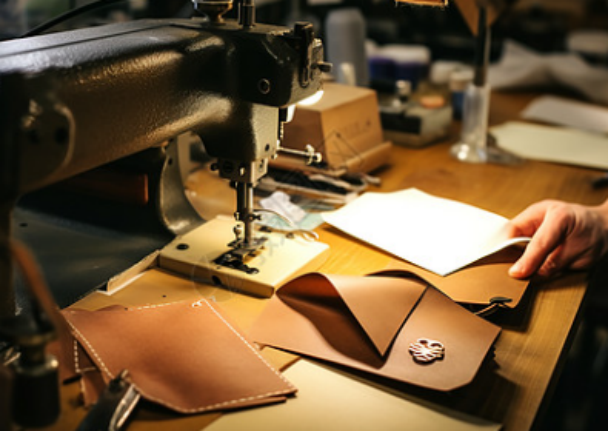
As we all know, Asia has always played a vital role in many industrial fields, especially the textile industry, which has become a shining pearl, making Asia one of the preferred production bases of the global fashion industry. When we mention the word production, the first thing that comes to mind is countries like China, Vietnam, Bangladesh or India. There is no doubt that these countries are the world leaders in textile and apparel manufacturing. Today, however, this is an area where Pakistan, Thailand, Turkey and Hong Kong are also emerging and playing a pivotal role.
Over time, the cost of production in China has gradually climbed, which has gradually transformed China from a producer of fast fashion and value markets to a production center for high-end clothing and textiles. China’s clothing manufacturers have been able to differentiate themselves in the global market due to several key factors: their superior ability to handle large-scale orders, efficient lead times and production cycles, and the ease of establishing close working relationships with companies from all over the world.
India, the world’s second largest producer of silk and cotton, has a long tradition of fabric art dating back thousands of years. Weaving, embroidery and other exquisite skills have been passed down from generation to generation, which is fully reflected in the quality and complexity of the final product. India has the most active fashion market in the world, with sales expected to grow at a staggering rate of 20.8% per year on average, more than doubling to a staggering €24 billion by 2023! As a mecca for fashion design, India is rising at an astonishing rate.
Vietnam has long been known as the birthplace of quality materials and time-honored fashion technology. Thanks to recent technological advances and heavy investment, Vietnam is now among the world’s leading garment and textile producers. Today, Vietnam’s textile and garment industry directly employs more than 2 million people. Vietnam has become a strong competitor to other Asian countries, mainly due to its deep skills accumulated over hundreds of years, innovative use of fabrics, modern technical equipment and relatively low production costs.
Turkey, currently the world’s fifth largest producer of textiles and clothing, accounts for 10% of the national economy and employs 20% of the country’s workforce. Turkey is an ideal place for textile sourcing, fabric dyeing and production, as it skillfully blends exquisite craftsmanship with cutting-edge technology to create products that consumers love.
In Thailand, another important apparel and textile producer, some of its textile producers offer more limited value-added design and other related services than most factories in other Asian countries. However, most garment manufacturers still choose to locate their factories in Bangkok because it is the heart of Thailand’s export, manufacturing and logistics cluster.
Pakistan, with its skilled labor and high-quality textiles, can provide the same high quality garments at lower average production costs than countries such as China, India and Bangladesh. The second highest quality cotton in the world is sold in Pakistan for only about 20-25% less than in other Asian countries. Pakistan is the sixth largest textile exporter in the world, with clothing and textile exports accounting for nearly 57% of the country’s total exports.
Hong Kong, in addition to being a major global production center, is also an important global clothing purchasing center. Garment manufacturers in Hong Kong have extensive practical experience in textile selection, sales and marketing strategy development, quality assurance measures, logistics and distribution, clothing design and compliance with international and domestic laws and regulations. They are irreplaceable, both in terms of professionalism and the breadth of services they provide.
Clothing manufacturing in Central and South America
Many well-known fashion brands are looking for faster production turnaround times in Central America to ensure that their collections remain fresh and chic. It is worth noting that while hourly wages in Guatemala do not have a significant advantage compared to other regions, being a member of the Dominican Republic-Central America Free Trade Agreement allows garments made from fabrics and materials produced in the region to enjoy duty-free access to the US market, thus saving up to 32% of the tariff burden!
Looking ahead, according to authoritative forecasts, between 2020 and 2026, the compound annual growth rate of the Latin American textile market is expected to reach a staggering 4.2%! Among them, Peru, Brazil and Colombia are undoubtedly leaders in the field of textile production in Latin America. Peru, with its abundant domestic raw materials, especially alpaca fiber and Tanguis cotton, has become the largest apparel exporter in South America; As one of the “BRIC” countries, Brazil shows great growth potential in both natural fiber and man-made fiber textile supply chains. As for Colombia, its textile and fashion markets are also showing significant growth momentum. At the same time, CAFTA-DR countries such as Costa Rica, the Dominican Republic, El Salvador, Guatemala, Honduras, and Nicaragua are actively competing for segments of the U.S. market, both among themselves and with Haiti.
Africa’s garment manufacturing industry is also booming. Thanks to rising demand in Europe and the United States, South African apparel manufacturers are now seeing new opportunities for growth. In fact, South Africa’s garment and textile sector has far outperformed the country’s overall economy, ranking as the second largest on the continent after Nigeria. It is predicted that the total revenue of South Africa’s fashion sector is expected to exceed $1.126 billion in 2022! The South African government has begun to take various measures to fully support the prosperity of the country’s garment industry, making it a potential strategic industry to create a large number of jobs.
If all stakeholders – buyers, governments and manufacturers – work together to improve the business environment in the region, East Africa has the potential to grow into a major apparel sourcing hub. According to the United Nations, sub-Saharan Africa will have the highest growth rate of working-age population in the world over the next 20 years. By 2035, the region is expected to have more than 900 million people of working age, a size comparable to China’s current population. Many industries, especially the fashion industry, are paying close attention to this huge labor pool, hoping to tap into unlimited business opportunities.
T-shirts and trousers accounted for 46 per cent of Ethiopia’s exports to the EU-15, while basic high-volume products such as socks and underwear accounted for 31 per cent. Similarly, Kenya’s garment industry, like Ethiopia’s, is now focused on supplying high-volume basics such as trousers, which account for as much as 58 percent of its total exports to the United States. Typically, the minimum order size is 10,000 pieces, while for large enterprises, the minimum order size fluctuates between 25,000 and 50,000 pieces.