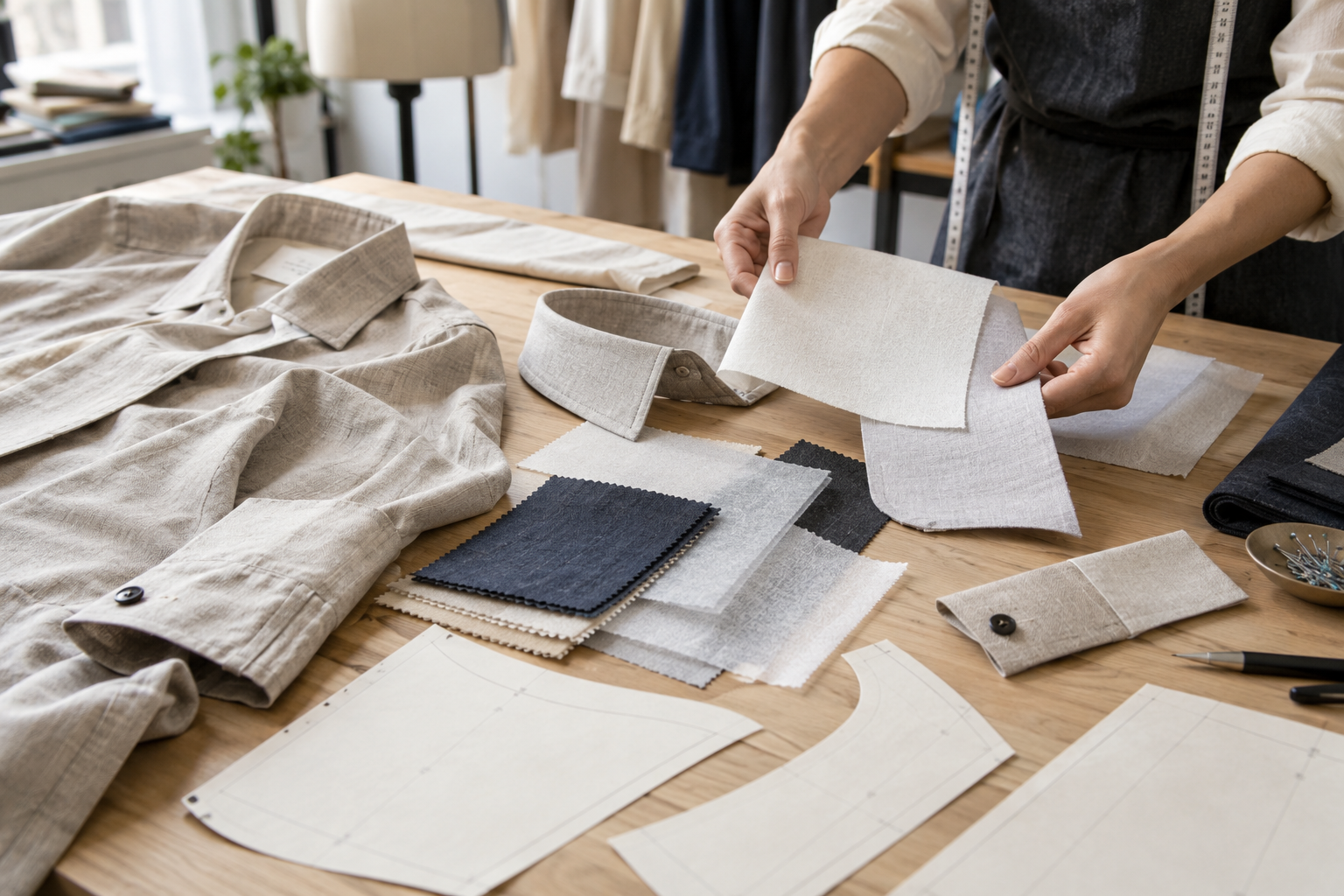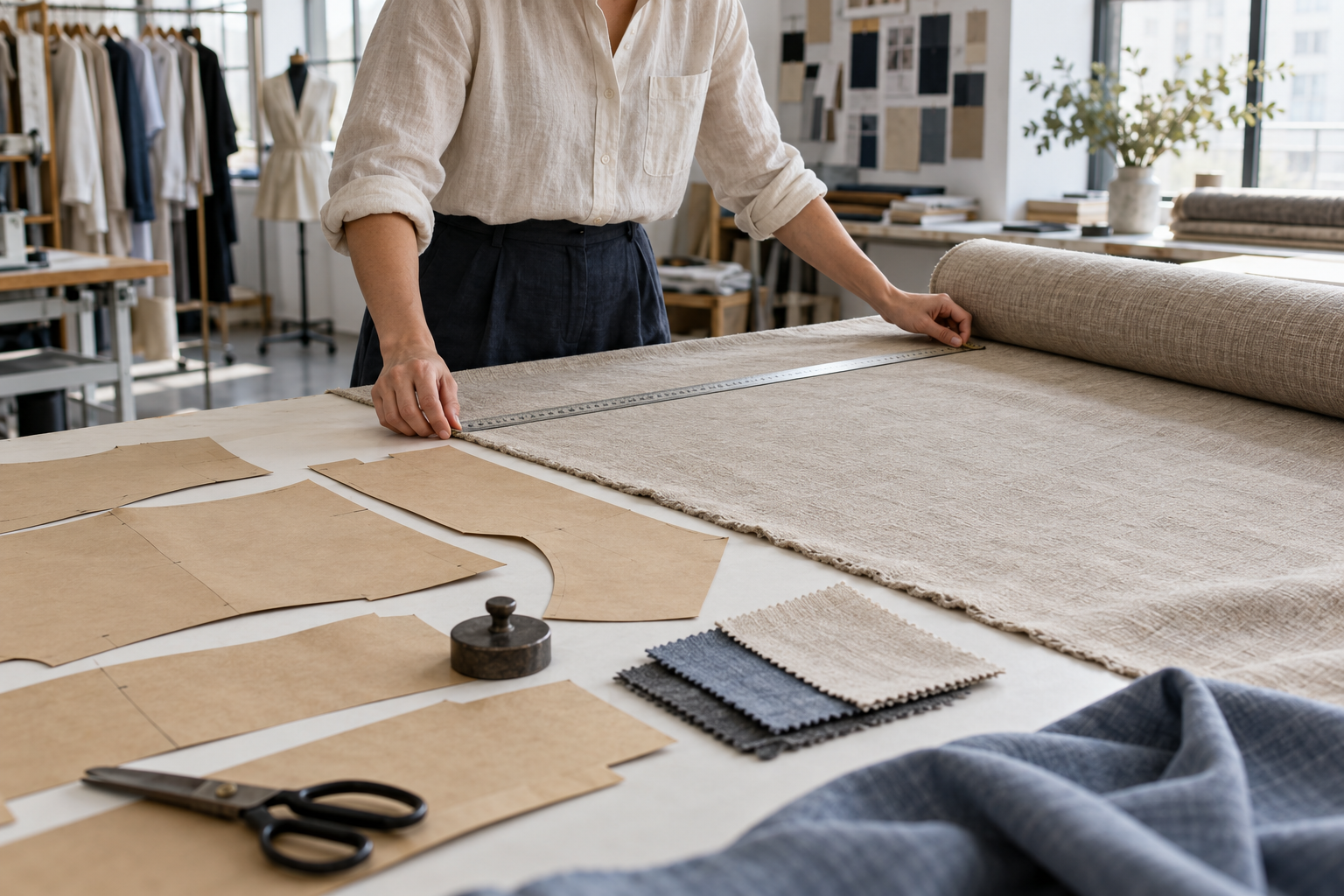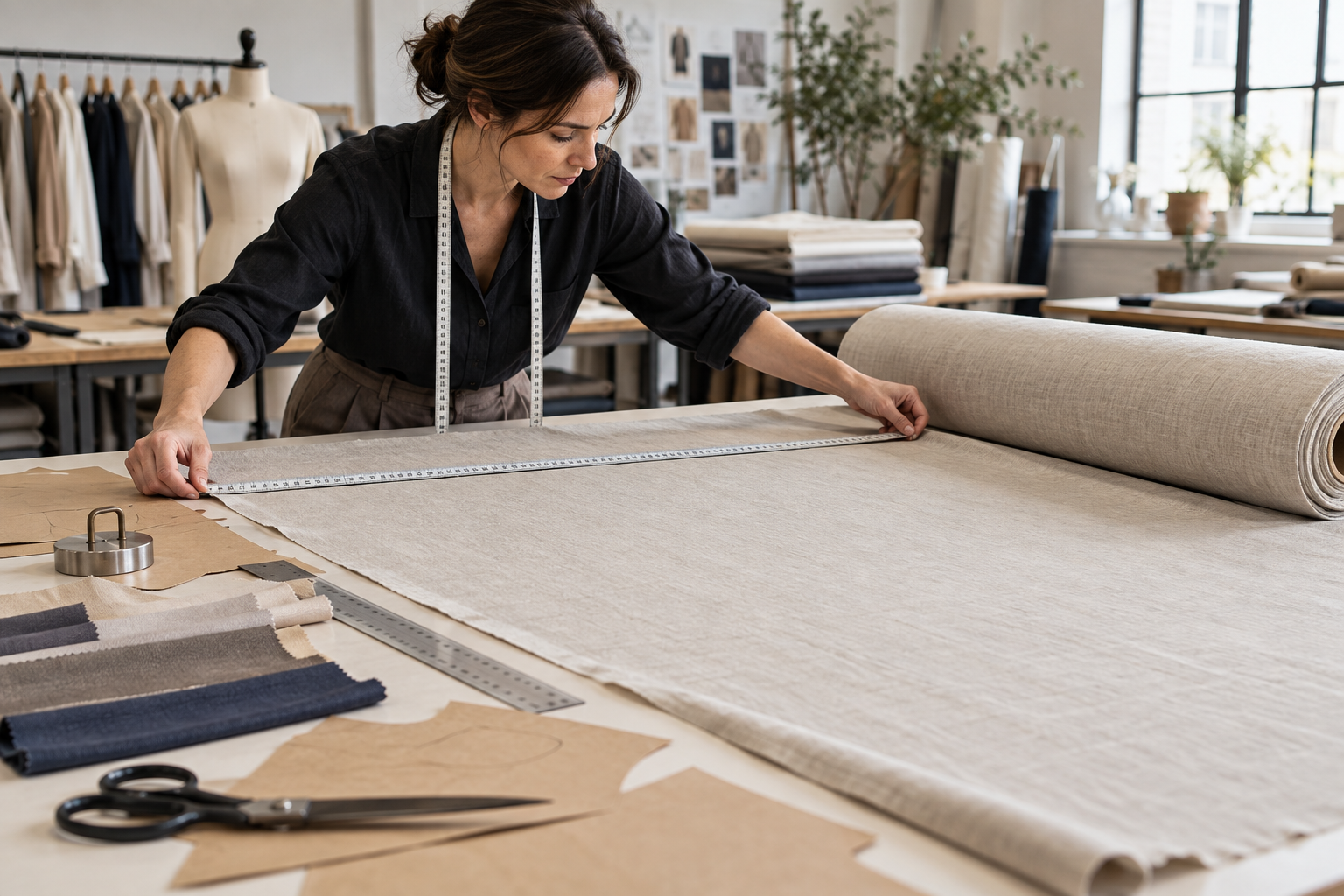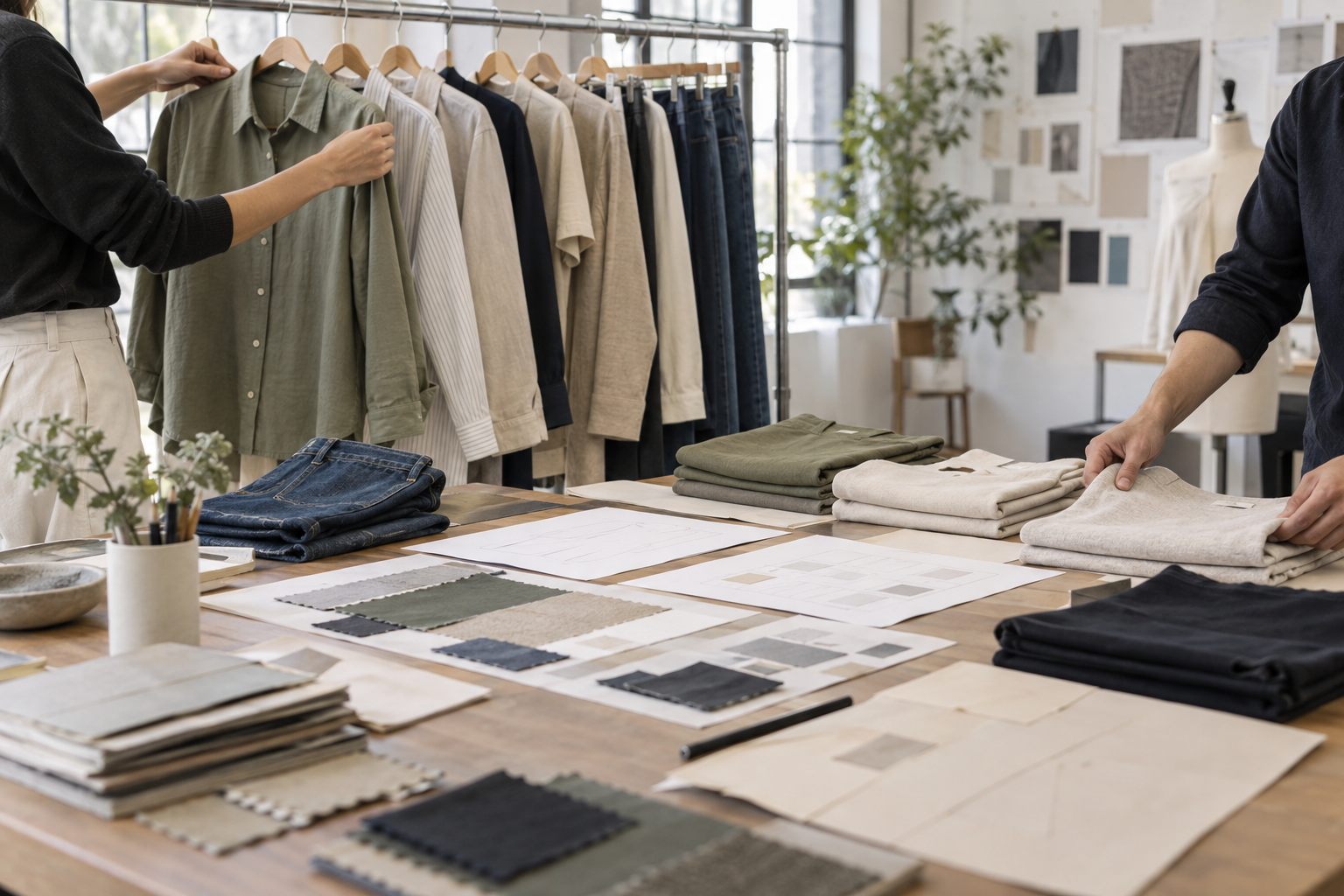
There’s a market hiding in plain sight for fabric suppliers — and most of them don’t know it exists yet.
The RV industry in the United States is larger than most people outside of it realize. Over 11 million households in the US own an RV, and annual shipments have consistently exceeded 400,000 units in recent years. That’s a lot of dinette seats, cab-over beds, and bench cushions — most of which were built to a price point, not a durability standard.
Factory RV cushions typically last three to five years before they’re visibly degraded: faded, cracked, or compressed flat. The replacement cycle is real, it’s recurring, and it’s being served almost entirely by small custom cushion makers who cut and sew to exact customer measurements.
What these makers struggle to find is the right fabric. And that’s where the apparel industry’s technical expertise becomes surprisingly relevant.
The RV Cushion Replacement Market Is Bigger Than Most Fabric Suppliers Realize
The numbers tell a clear story. With 11 million RV-owning households and a typical cushion lifespan of three to five years, the replacement demand is continuous. Unlike furniture upholstery — where a homeowner might replace cushions once a decade — RV owners replace more frequently, driven by the harsher conditions their vehicles operate in.
The market is served almost entirely by small, made-to-order cushion businesses. These aren’t big furniture manufacturers placing container-sized fabric orders. They’re custom operations cutting 2–10 yards per order, serving customers who need a 47″ × 18″ dinette seat or an oddly shaped cab-over cushion that no standard size will ever fit.
Brands like US Cushion, which specializes in made-to-measure rv replacement cushions, represent exactly this model: high customization, small batch, fabric-forward. Their customers are RV owners who have already decided to invest in quality — and who specify fabric performance, not just color.
The demand is there. The supply chain to serve it well is still catching up.
Why Standard Upholstery Fabric Fails in RVs
To understand why apparel-grade technical fabrics are a natural fit for RV cushions, you first need to understand what standard upholstery fabric is up against inside a recreational vehicle.
The interior of a parked RV on a summer day can reach 130°F. UV exposure through large coach windows is direct and sustained. Humidity spikes from cooking, showering, and occupancy in a small enclosed space create condensation that works its way into foam. Then the vehicle cools overnight, contracts, and the cycle repeats.
Standard furniture upholstery fabric — the kind sold for indoor sofas and dining chairs — was not engineered for this environment. It fades under sustained UV. It absorbs moisture without releasing it quickly. Its abrasion ratings are adequate for normal home use but not for the repeated friction of people getting in and out of the same tight dinette bench dozens of times on a road trip.
The result: factory RV cushions fail fast, aftermarket replacements made with the wrong fabric don’t perform much better, and customers end up replacing again within a few years.
What the RV cushion market actually needs is fabric with performance specifications that the apparel industry has been developing and refining for decades.
The Technical Overlap Between Apparel and RV Upholstery Fabric
The performance properties that make a great RV cushion fabric are nearly identical to those that define technical outdoor and activewear textiles:
UV resistance. Solution-dyed construction — where color is integrated into the fiber rather than applied as a surface treatment — is standard practice in performance apparel manufacturing. It’s exactly what RV cushion fabric needs. Surface-dyed fabric fades in 1–2 seasons of sun exposure. Solution-dyed fabric holds color for years under the same conditions.
Moisture management. Quick-dry and moisture-wicking constructions, core competencies of performance sportswear fabric, directly address the condensation and humidity problem in RV interiors. A fabric that releases moisture quickly prevents the mildew and odor buildup that ruins foam cushions from the inside out.
Abrasion resistance. Technical fabrics engineered for workwear, outerwear, and performance upholstery routinely exceed 25,000 Martindale rubs. The tight weave structures and high-tenacity yarns used in apparel manufacturing translate directly to cushion fabric that holds up under daily use.
Cleanability. Stain-resistant and easy-clean finishes — long standard in performance apparel — are exactly what RV owners need when coffee spills on the dinette at 65 mph.
The technical gap between what the apparel manufacturing world already produces and what the RV cushion market needs is remarkably small. The knowledge transfer is largely already done. What’s missing is the commercial connection between suppliers who have these capabilities and the buyers who need them.
China’s position in this space is particularly significant. The concentration of technical textile expertise that clothing manufacturers in China have built over two decades — in yarn engineering, weave construction, and performance finishing — applies directly to the upholstery fabric specifications that RV cushion makers need. Suppliers with this background can offer performance-grade fabric at price points that make custom RV cushions economically viable for end consumers.
Low MOQ Is the Key to Unlocking This Market
Here’s the commercial reality that most large fabric suppliers miss: the RV cushion replacement market runs on small orders.
A custom cushion maker serving RV owners might cut 50 different fabric SKUs in a month, in quantities of 2–15 yards each. They can’t commit to 500-yard minimums. They can’t afford to warehouse six colorways of a performance fabric on the speculation that orders will come in.
This is where the structural advantage of a low MOQ clothing manufacturer that has expanded into technical upholstery fabric becomes decisive. The ability to offer 20–50 yard minimums — with the same performance specifications as bulk-order fabric — opens a customer segment that larger mills simply can’t serve.
For fabric suppliers considering where to develop new B2B customer relationships, the math is worth considering. A single custom cushion brand doing modest volume might order 10–20 times per year in small quantities. Across a network of similar brands, that’s consistent repeat business with customers who prioritize fabric quality over price alone — because their end customers do.
The custom RV cushion market doesn’t need cheaper fabric. It needs the right fabric in accessible quantities.
What RV Cushion Buyers Actually Specify
For fabric suppliers evaluating whether this market is worth pursuing, it helps to understand what a technically literate RV cushion buyer actually looks for when sourcing fabric.
The specifications that come up consistently:
- UV resistance: UPF 50+ preferred; solution-dyed construction strongly preferred over surface-dyed
- Abrasion rating: 25,000+ Martindale for seat surfaces; 15,000+ acceptable for backs and sides
- Weight: 300–600 gsm for seat cushions; lighter constructions acceptable for back cushions
- Moisture performance: quick-dry or moisture-resistant; mildew-resistant finish a plus
- Cleanability: spot-clean with mild soap and water, no watermarking
- Color stability: performance under accelerated weathering testing (AATCC 16 or equivalent)
These are not exotic requirements. They are well within the production capability of any supplier with a serious technical textile background. The question is less about capability and more about commercial awareness — knowing that this buyer segment exists and what language to use when speaking to it.
Conclusion: A Supply Chain Gap Worth Closing
The RV cushion replacement market won’t make headlines. It’s not the scale of automotive or contract hospitality. But it’s a real, recurring, quality-driven market that is currently underserved at the fabric supply level.
For fabric suppliers — particularly those with technical textile capabilities and flexible minimum order structures — it represents a customer type that’s genuinely hard to find elsewhere: buyers who care about performance specifications, order repeatedly, and aren’t primarily shopping on price.
The connection between performance apparel manufacturing expertise and RV upholstery fabric needs isn’t obvious until you look at the technical specs side by side. Once you do, it’s hard to unsee.
The suppliers who recognize this crossover first will have a meaningful head start in a market that’s only going to grow as more Americans hit the road.
This post was contributed by the team at US Cushion, a US-based custom cushion brand specializing in made-to-measure RV, camper, and home cushions.