Cut and Sew Clothing Manufacturing: A Practical Guide for Fashion Brands
Cut and sew clothing manufacturing is the right path when a brand wants garments built from fabric, patterns, trims, and construction details chosen for its own collection. Instead of adding decoration to blank garments, the product is developed from the ground up: pattern, fabric, fit, stitching, finishing, labels, packaging, and production standards all need to work together.
For startup and growing fashion brands, this gives more control over product identity, fit, and perceived quality. It also requires more preparation than basic customization. A clear brief, realistic style plan, approved samples, and disciplined communication with the manufacturer are what keep development moving in the right direction.
What Cut and Sew Manufacturing Means
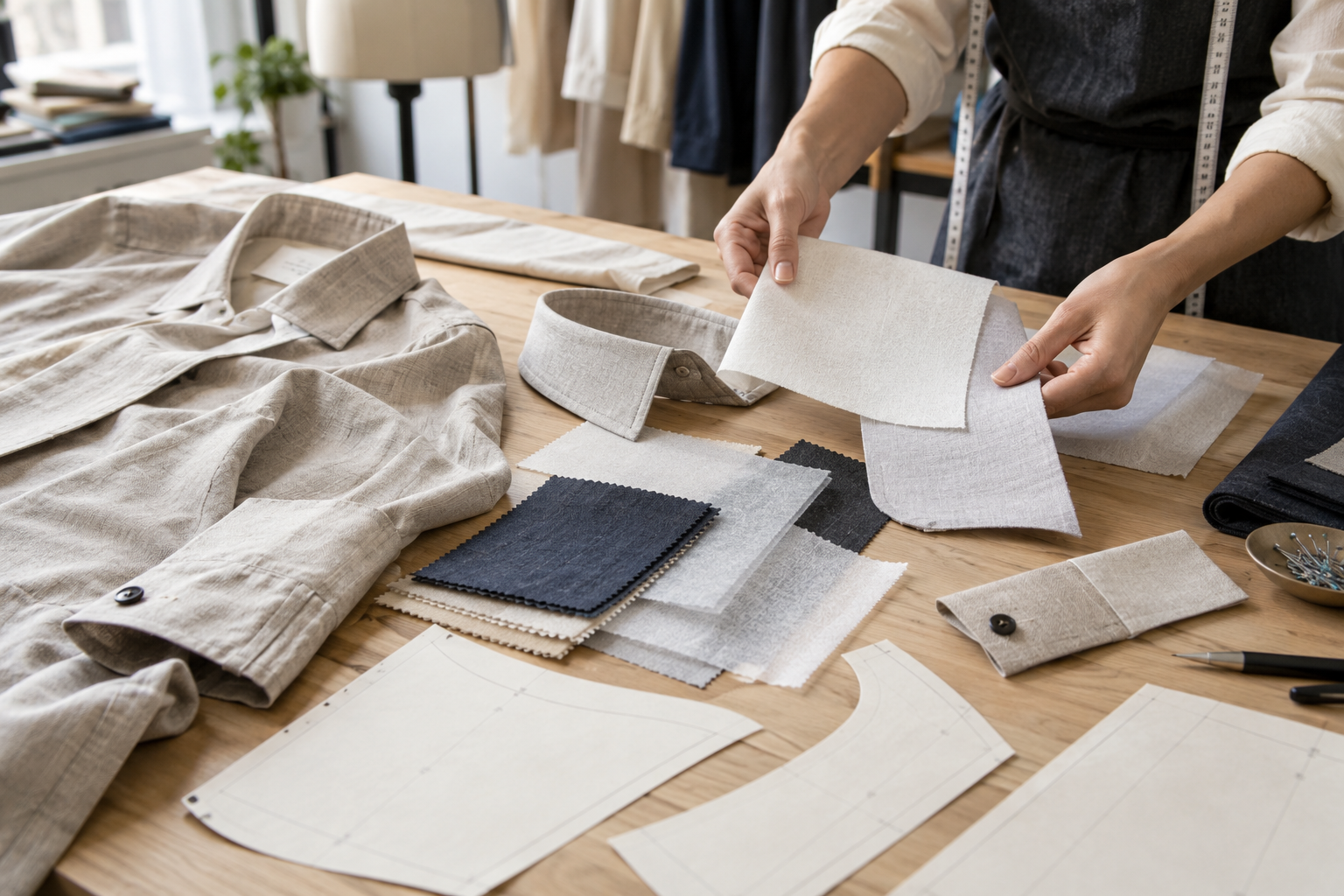
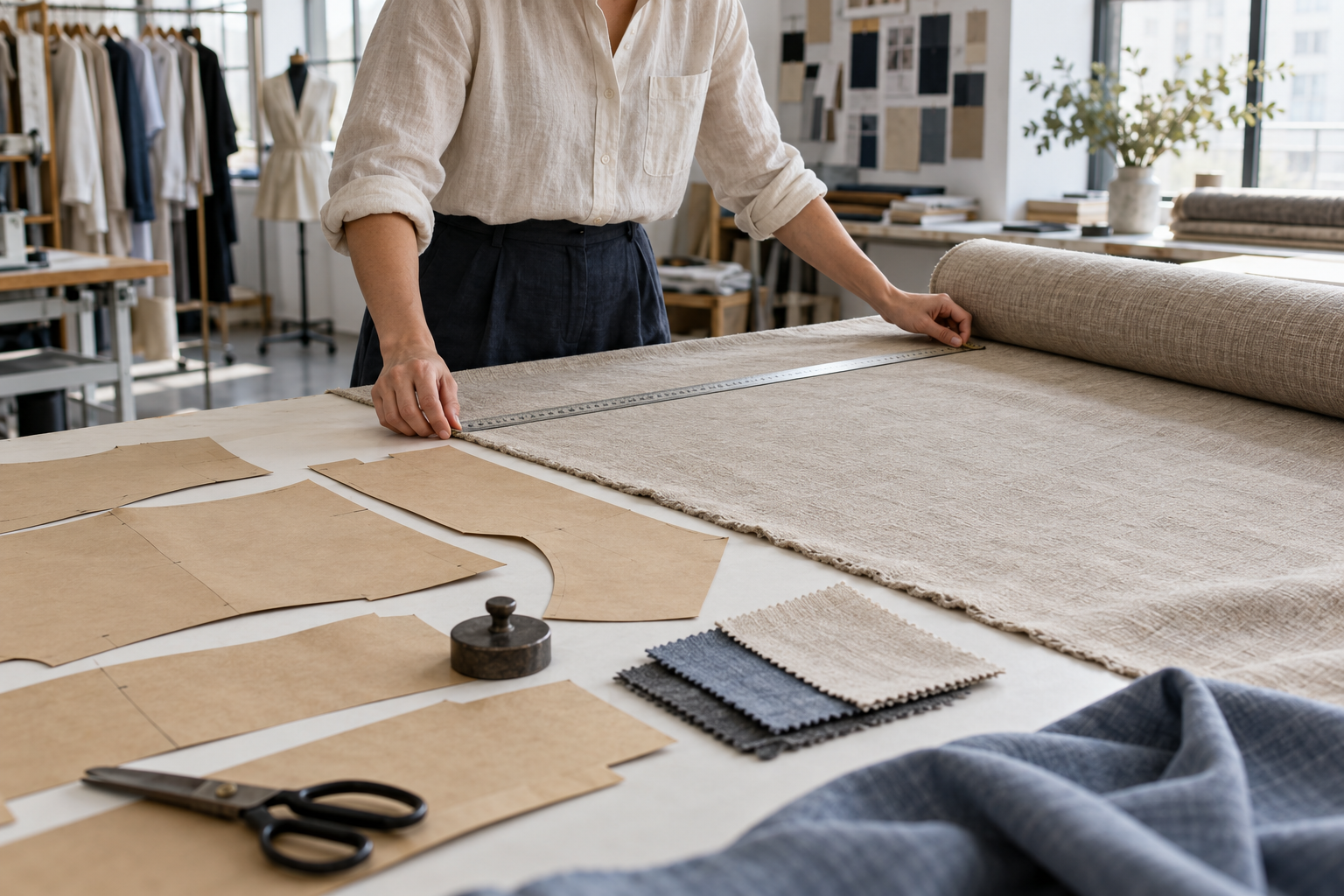
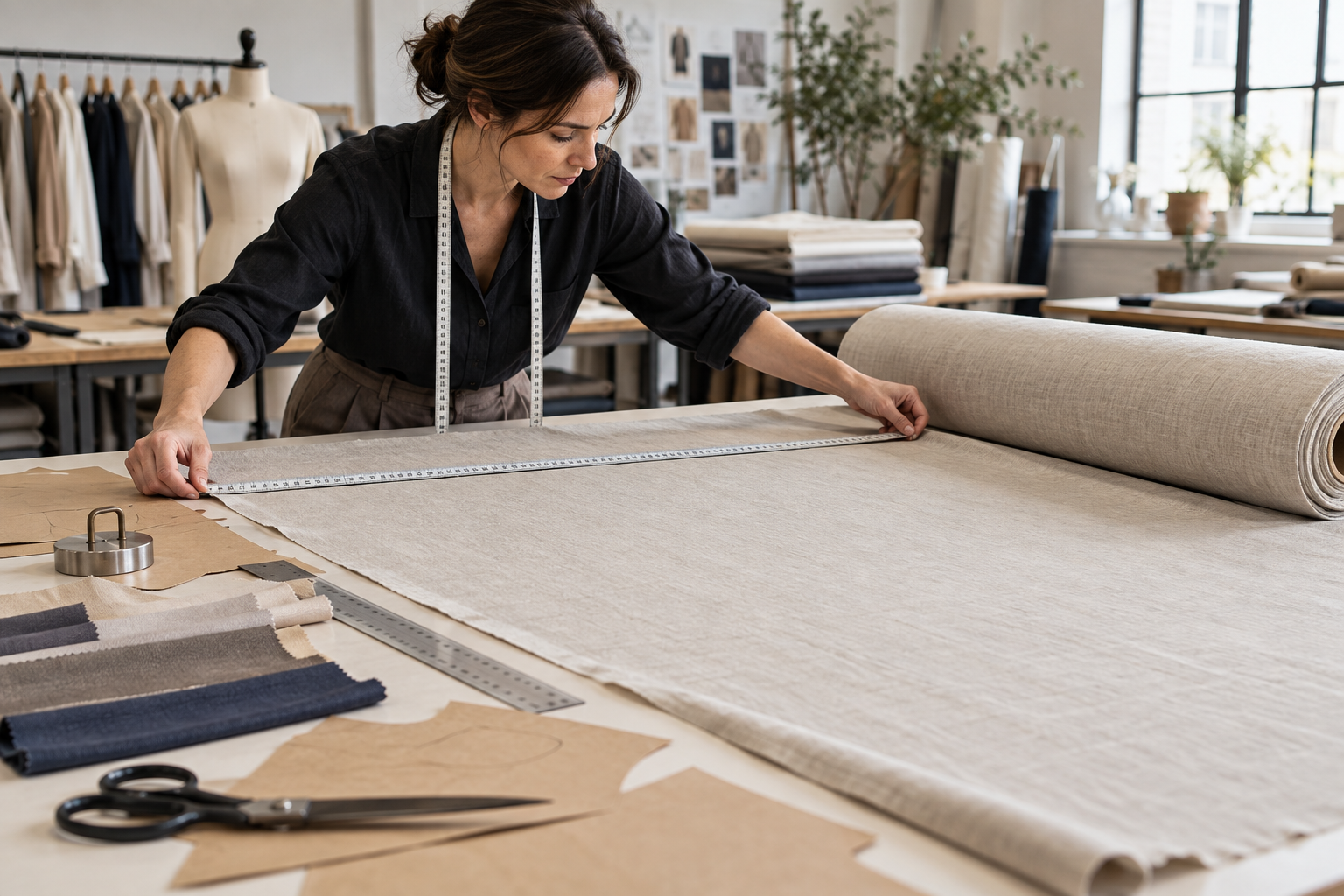
In cut and sew manufacturing, fabric is cut into garment panels and sewn into finished products according to the brand’s pattern, measurements, and construction requirements. This can apply to T-shirts, hoodies, pants, dresses, shirts, outerwear, loungewear, kidswear, uniforms, and many other apparel categories.
The process usually starts with design information and material choices, then moves through pattern making, sample development, fit correction, size grading, pre-production approval, cutting, sewing, finishing, inspection, and packing. Each stage affects the next one, so weak information early in the process can create delays or quality problems later.
Brands that need a manufacturing partner for custom development often start by reviewing startup-focused resources like clothing manufacturers for startups before preparing their first inquiry.
Cut and Sew vs. Blank Garment Customization
Blank garment customization starts with an existing ready-made garment and adds branding, prints, embroidery, labels, or packaging. It can be useful for simple merchandise, event apparel, or fast product tests. However, it gives limited control over fit, fabric hand feel, garment weight, construction, and sizing.
Cut and sew is different because the garment itself is custom-built. The brand can specify the fabric type, GSM or weight range, silhouette, pocket placement, rib quality, waistband construction, stitching method, trim details, and packaging direction. This is better suited for private label fashion brands that want their products to feel intentional rather than generic.
Choose cut and sew when the garment identity matters
If your buyer will notice the fit, drape, fabric, stitching, or finish, cut and sew is usually the stronger route. It is also the better choice when you are building a repeatable product line and want future drops to maintain the same product standards.
Use blanks only when speed and simplicity matter more
Blank customization may still be practical for limited campaigns or early audience testing. The tradeoff is that another supplier controls the garment base, so you may face limitations in size range, color availability, consistency, and long-term product continuity.
What Brands Should Prepare Before Contacting a Manufacturer
A strong first inquiry does not need to be perfect, but it should help the manufacturer understand the product and the buying intent. The more specific your preparation is, the easier it is to assess feasibility, suggest improvements, and move into sampling without confusion.
1. Product category and style list
Start with a focused list of styles. Instead of asking for “a full clothing collection,” define the exact products you want to develop, such as heavyweight T-shirts, relaxed-fit hoodies, woven cargo pants, casual dresses, or lightweight jackets. For each style, include the target customer, intended season, fit direction, and any reference details that explain the look.
2. Design references and technical details
References can include sketches, photos, mood boards, previous samples, or competitor garments used only to explain construction direction. A technical pack is even better because it can organize measurements, materials, stitching notes, trims, labels, colors, and packaging in one place. If your tech pack is not complete yet, prepare the information you already have and clearly mark what still needs development.
3. Fabric direction
Fabric selection affects cost, fit, comfort, durability, shrinkage, print results, and production risk. Give the manufacturer your preferred fiber content, fabric type, approximate weight, surface feel, stretch level, color direction, and any performance needs. If you are unsure, explain the intended product use and ask what fabric options may fit that goal.
4. Size range and fit expectations
Cut and sew production depends heavily on measurement control. Prepare a starting size range, base size, target fit, and any body or market references that matter to your buyers. If you already have a garment that fits well, measurements from that sample can help the manufacturer understand the intended silhouette.
5. Branding, trims, and packaging
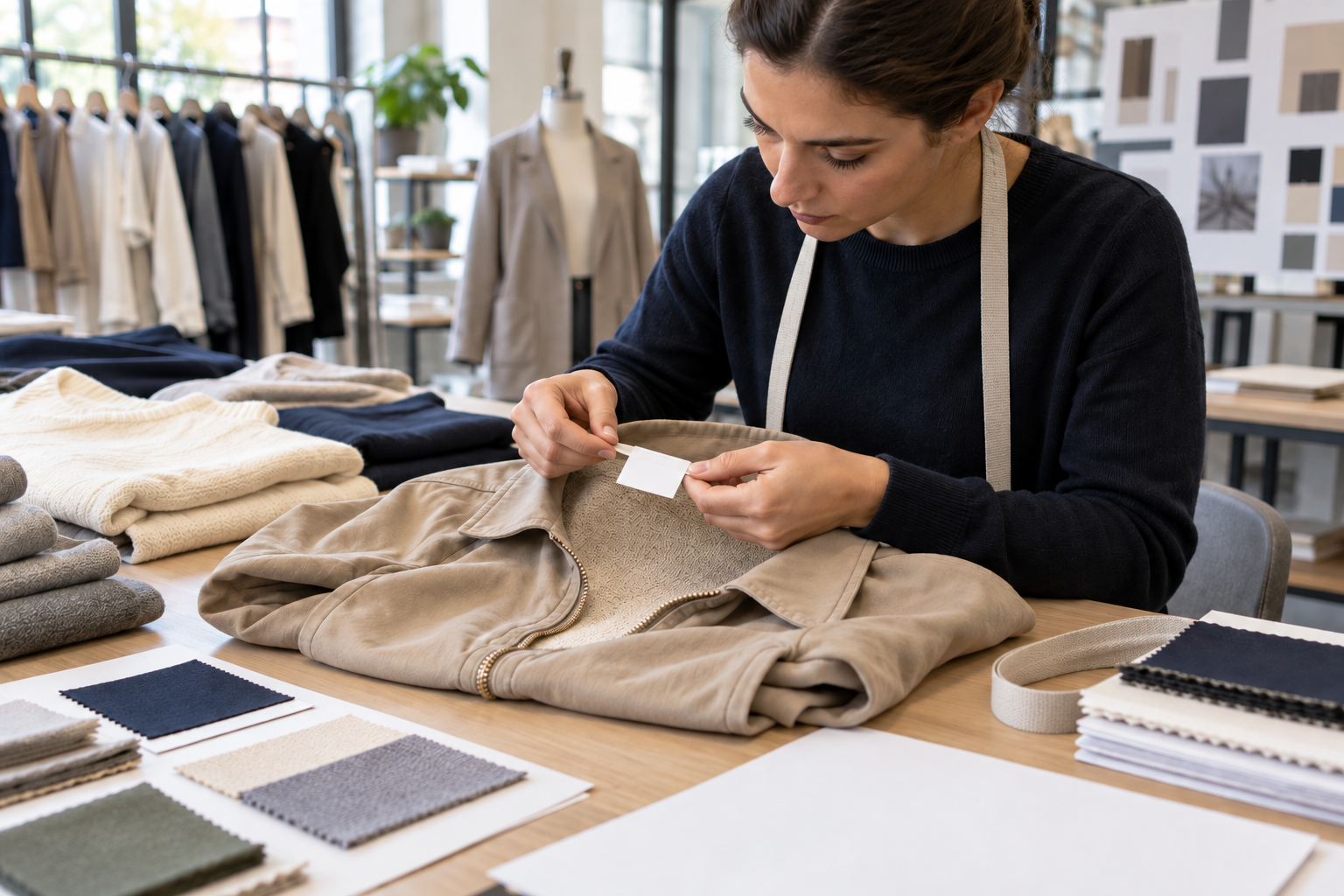
Private label garments often include neck labels, care labels, hang tags, drawcords, buttons, zippers, patches, poly bags, carton marks, or other presentation details. These items should be discussed early because they affect sampling, sourcing, compliance review, and final packing instructions.
How the Cut and Sew Process Usually Works
Every product is different, but most cut and sew apparel projects move through a sequence of decisions. Treat the process as a controlled development workflow rather than a single order placement.
Design review and feasibility check
The manufacturer reviews the product idea, drawings, references, fabric direction, quantity expectations, and construction details. At this stage, the goal is to identify missing information, difficult details, and possible alternatives before sampling begins.
Pattern and first sample development
Once the initial product direction is clear, the pattern and first sample are developed. This sample is not only for appearance; it helps test fabric behavior, proportions, sewing construction, trim placement, print or embroidery position, and overall feasibility.
Fit review and sample corrections
After reviewing the sample, the brand should give structured comments. Separate comments into fit, measurement, fabric, color, stitching, trims, and packaging. Avoid vague feedback such as “make it better.” Clear revision notes help the manufacturer understand exactly what needs to change.
Size grading and pre-production approval
When the base size is approved, the pattern is graded across the full size range. Before bulk production, brands should confirm the final sample, measurements, fabric, trims, color, labels, packaging, and inspection expectations. This approval stage is important because bulk production should follow the confirmed standard.
Bulk cutting, sewing, finishing, and inspection
During production, fabric is cut by pattern and sewn according to the approved construction. Finished garments then go through trimming, pressing or finishing, measurement checks, visual inspection, packing, and carton preparation. Brands should keep communication organized and avoid making late changes unless they understand the impact.
Common Risks in Cut and Sew Apparel Projects
Most problems in cut and sew manufacturing come from unclear requirements, unstable material choices, incomplete approvals, or changing decisions after production planning has started. These risks can be reduced with disciplined preparation.
Unclear fit expectations
Words such as oversized, slim, relaxed, cropped, or boxy can mean different things to different people. Support fit language with measurements, reference garments, or clear comments on shoulder width, body length, sleeve length, rise, thigh width, or other relevant points.
Fabric changes after sampling
A garment sampled in one fabric may behave differently in another. Stretch, shrinkage, weight, drape, and surface texture can all change the final result. If you switch fabric after sample approval, expect to review whether measurements or construction need adjustment.
Too many styles at the first launch
New brands often try to develop too many products at once. A smaller, more focused style list is usually easier to manage, especially when working with a small batch clothing manufacturer or planning low-MOQ production. Fewer styles make it easier to control fit, materials, and quality standards.
Late decisions on trims and packaging
Labels, hang tags, zipper pulls, cords, patches, and packaging details can delay approval if they are treated as afterthoughts. Confirm these items early enough that they can be included in sampling or pre-production review.
Practical Tips for a Smoother First Production Run
Cut and sew production works best when the brand and manufacturer share the same reference point. Use written documents, annotated photos, and approval records rather than scattered messages.
- Start with a focused product list and avoid unnecessary style variations.
- Prepare one clear brief per style, including fabric, fit, trims, and packaging notes.
- Use sample feedback forms or organized comments instead of mixed chat messages.
- Approve fabric, color, trims, labels, and measurements before bulk production.
- Keep a record of the approved sample and final measurement specifications.
- Discuss MOQ expectations early, especially if your launch requires flexible quantities.
If low quantity flexibility is important, review options related to low MOQ clothing manufacturing in China for startups. The key is to align product complexity, material availability, and launch size before sample development becomes too broad.
When a Brand Is Ready for Cut and Sew Manufacturing
You are ready to approach a cut and sew manufacturer when you can clearly explain what you want to make, who it is for, how it should fit, and what level of finish your buyers expect. You do not need every answer before the first conversation, but you should be prepared to make decisions and respond to technical questions.
A good manufacturing discussion should cover product category, fabric, construction, sample needs, size range, branding, quantity goals, quality expectations, and next steps. For brands developing custom apparel, Huilin Fashion can review prepared product information and discuss suitable production paths through the contact page.
FAQ
Is cut and sew manufacturing only for large fashion brands?
No. Cut and sew can be used by startups, growing brands, and established labels. The main requirement is not brand size; it is preparation. A focused product plan, clear sample feedback, and realistic quantity expectations make the process easier to manage.
What is the difference between a sample and a pre-production sample?
A development sample helps test the garment idea, fit, fabric, and construction. A pre-production sample is closer to the final approved standard for bulk production, including confirmed materials, trims, measurements, labels, and finishing details.
Do I need a complete tech pack before contacting a manufacturer?
A complete tech pack is helpful, but many brands start with a partial brief, reference garments, sketches, and target measurements. The important point is to clearly separate confirmed requirements from details that still need development.
Can cut and sew manufacturing work with low MOQ production?
It can, depending on the product category, fabric availability, trim requirements, color plan, and style complexity. Brands should discuss quantity goals early so the manufacturer can assess whether the project structure is practical.
How can brands reduce quality problems in cut and sew production?
Use clear specifications, approve samples carefully, confirm fabric and trims before production, keep measurement standards documented, and define inspection expectations before bulk production begins. Most quality issues are easier to prevent before cutting starts.